

Toyota bZ vs C-HR: Which Electric SUV Should You Buy?

Contents in this publication
- Toyota bZ vs C-HR at a Glance
- An Important Note About the American C-HR
- How the Toyota bZ Has Changed
- Toyota bZ vs C-HR Price
- Exterior Design: Sensible or Sensational?
- Interior Space and Everyday Comfort
- Cargo Space Comparison
- Range: The bZ Pulls Ahead
- Performance and Acceleration
- Front-Wheel Drive or All-Wheel Drive?
- Charging: More Similar Than Different
- Technology and Infotainment
- Safety and Warranty Coverage
- Ride Comfort and City Driving
- Road-Trip Ability
- Which Is Better for a Family?
- Which Is Better for Commuters?
- Which Is Better in Snow?
- Potential Drawbacks of the Toyota bZ
- Potential Drawbacks of the Toyota C-HR
- Toyota bZ vs C-HR Ownership Costs
- Best Toyota bZ Configuration for Most Buyers
- Best Toyota C-HR Configuration for Most Buyers
- Who Should Buy the Toyota bZ?
- Who Should Buy the Toyota C-HR?
- Toyota bZ vs C-HR: Final Buying Verdict
- Frequently Asked Questions
The Toyota bZ vs C-HR comparison is more intriguing than it first appears. Both are five-seat electric crossovers. Both use Toyota’s dedicated electric-vehicle platform. Both support the North American Charging Standard, and both can deliver 338 horsepower with all-wheel drive.
So, are they essentially the same vehicle wearing different clothes?
Not quite.
The 2026 Toyota bZ is the roomier, more flexible member of the pair. It offers front-wheel-drive and all-wheel-drive configurations, a lower starting price, more maximum driving range, and slightly more cargo space behind the rear seats. The reborn 2026 Toyota C-HR, meanwhile, arrives as a smaller, sharper and sportier electric crossover with standard dual-motor all-wheel drive.
Think of the bZ as a comfortable pair of walking shoes and the C-HR as sleek running sneakers. They may share some engineering DNA, but they suit different buyers.
For most shoppers, the decision comes down to one question: Do we value practicality and choice, or style and standard performance?
Let’s settle it.
Toyota bZ vs C-HR at a Glance
Before diving into the finer details, here is the basic U.S.-market comparison.
| Category | 2026 Toyota bZ | 2026 Toyota C-HR |
|---|---|---|
| Starting MSRP | $34,900 | $37,000 |
| Drivetrain | FWD or AWD | Standard AWD |
| Maximum output | 338 hp with AWD | 338 hp |
| Maximum EPA range | 314 miles | 287 miles |
| Quickest 0–60 mph | 4.9 seconds | 4.9 seconds |
| Battery capacity | Up to 74.7 kWh | 74.7 kWh |
| DC fast charging | 10–80% in about 30 minutes | 10–80% in about 30 minutes |
| Cargo space behind rear seats | Up to 27.7 cu. ft. | Up to 25.3 cu. ft. |
| Main personality | Practical and versatile | Sporty and stylish |
The bZ starts at $34,900, while Toyota lists the C-HR from $37,000 before dealer processing and handling charges. The bZ can reach an EPA-estimated 314 miles in XLE FWD Plus form, whereas the C-HR SE carries a 287-mile EPA rating.
Our Early Verdict
The Toyota bZ is the stronger all-around buying choice. It costs less at entry level, travels farther in its longest-range configuration and gives us more drivetrain flexibility.
The C-HR makes a stronger emotional pitch. Its standard AWD, coupe-like body and brisk acceleration make it appealing to drivers who want an EV that feels less like an appliance and more like a statement.
An Important Note About the American C-HR
American buyers may remember the previous Toyota C-HR as a small gasoline-powered crossover with bold styling and modest performance.
That description no longer applies.
The 2026 C-HR returns to the United States as a completely redesigned battery-electric vehicle. It is not a continuation of the old gas model in the traditional sense. Toyota positions it as a compact electric SUV with standard dual-motor AWD, 338 combined horsepower and a manufacturer-estimated 4.9-second sprint from zero to 60 mph.
That distinction matters when researching used cars or comparing specifications online. An article discussing a 2021 C-HR is describing a radically different vehicle from the 2026 electric C-HR covered here.
How the Toyota bZ Has Changed
The bZ also carries a new identity.
Toyota previously sold this electric SUV as the bZ4X. For the 2026 model year, the company shortened the name to bZ while introducing meaningful upgrades to its batteries, power output, range, charging connection and interior design.
This is more than a badge swap. The updated bZ addresses several weak points associated with the earlier bZ4X, particularly driving range and charging convenience.
Toyota now equips the bZ with a native NACS port, improved output and a battery capacity of up to 74.7 kWh. The longest-range version reaches an EPA-estimated 314 miles, giving it a more credible place among mainstream electric crossovers.
Toyota bZ vs C-HR Price
Price often decides a vehicle comparison before horsepower or screen size gets a chance to speak.
Toyota bZ Starting Price
The 2026 Toyota bZ has a starting MSRP of $34,900. Toyota offers XLE and Limited grades, with drivetrain and battery configurations affecting both price and range.
Toyota C-HR Starting Price
The 2026 Toyota C-HR starts at $37,000, excluding dealer processing and handling charges. It comes in SE and XSE grades, and every version receives dual-motor all-wheel drive.
Which One Offers Better Value?
On paper, the bZ wins the opening round. It starts roughly $2,100 lower and lets budget-conscious buyers choose front-wheel drive rather than paying for AWD whether they need it or not.
However, comparing only the two base prices can be misleading.
The entry-level bZ does not match the C-HR’s 338-horsepower AWD system. Buyers who want equivalent acceleration and all-weather traction need to compare the C-HR with an AWD bZ rather than the least expensive bZ.
That makes the value equation more nuanced:
- Choose the bZ FWD to minimize purchase price and maximize efficiency.
- Choose the bZ AWD for greater practicality with C-HR-like performance.
- Choose the C-HR when standard AWD and sporty equipment matter more than maximum range.
Watch the Final Transaction Price
MSRP is the starting line, not the finish.
Dealer discounts, regional incentives, financing offers, destination charges, insurance quotes and home-charger installation can change the real cost substantially. Buyers should compare written out-the-door prices for similarly equipped models rather than relying on advertised starting figures.
Exterior Design: Sensible or Sensational?
Design may be the clearest dividing line in the Toyota bZ vs C-HR contest.
Toyota bZ Design
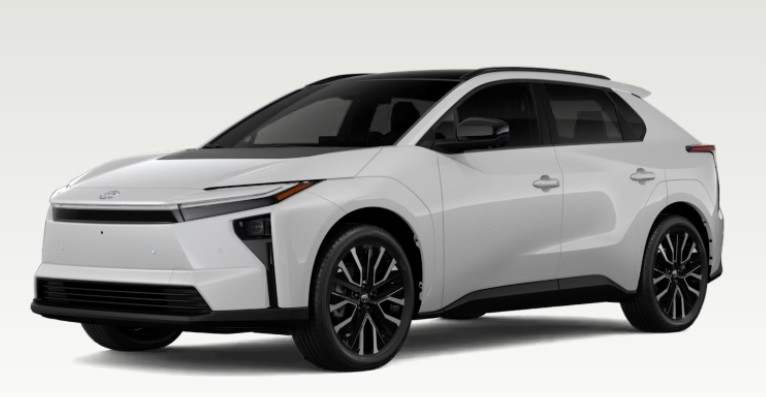
The bZ has a conventional compact-SUV shape. Its roof remains relatively upright, its body looks substantial and its rear section emphasizes usable interior space.
Toyota has refined the front styling for 2026, giving the bZ a smoother version of the brand’s hammerhead-inspired face. It looks modern without trying to turn every grocery-store trip into a fashion show.
Some buyers will call it restrained. Others will call it mature.
Toyota C-HR Design
The C-HR is the extrovert.
Toyota gives it a low, coupe-like profile, a wide stance, angular bodywork and an aggressively tapered rear. At 177.9 inches long, 73.6 inches wide and 63.8 inches tall, it sits lower than a traditional upright SUV.
The design makes the C-HR look planted and athletic. It appears to be moving even when parked.
That visual drama has a cost. A sloping roof can reduce the airy feeling in the rear cabin and may make loading tall objects less convenient. Style and practicality are often two people pulling opposite ends of the same rope.
Design Winner: C-HR
The C-HR has more personality. The bZ is easier to live with, but the C-HR is the one we are more likely to glance back at after parking.
Interior Space and Everyday Comfort
A good electric SUV should do more than display battery percentages. It needs to carry people comfortably, swallow shopping bags and survive daily family life.
Toyota bZ Interior
The bZ’s more upright proportions support its practical character. It feels like the natural choice for buyers moving from a RAV4, CR-V or another conventional compact crossover.
Its cabin emphasizes openness, visibility and everyday usability. The higher body also makes it more appealing to passengers who dislike climbing down into a low vehicle.
Toyota C-HR Interior
The C-HR’s cabin is more theatrical. Toyota equips it with a slim driver display, customizable ambient lighting, two wireless smartphone chargers, rear USB ports and a 14-inch touchscreen. An available panoramic roof helps brighten the interior.
The C-HR does not abandon practicality, but its personality is clearly driver-focused. It feels designed for someone who wants the journey to carry a little electricity beyond what is stored in the battery.
Which Has the Better Cabin?
The answer depends on what “better” means.
The bZ should be the easier vehicle for families, taller passengers and frequent cargo carrying. The C-HR feels more fashionable, youthful and cockpit-like.
For comfort and flexibility, we would choose the bZ. For atmosphere and visual impact, we would lean toward the C-HR.
Cargo Space Comparison
Toyota lists up to 27.7 cubic feet of cargo capacity behind the rear seats in the bZ. The C-HR provides up to 25.3 cubic feet behind its rear seats and up to 59.5 cubic feet when the 60/40-split rear seatbacks are folded.
A 2.4-cubic-foot difference may not sound dramatic. In normal use, though, it can mean the difference between fitting a stroller cleanly and rotating it through the hatch like a puzzle piece.
Choose the bZ for Cargo When You Regularly Carry:
- Baby equipment
- Large suitcases
- Boxes or work supplies
- Outdoor gear
- A dog crate
- Bulky grocery runs
Choose the C-HR When You Mainly Carry:
- One or two passengers
- Gym bags
- Small luggage
- Everyday shopping
- Occasional rear-seat cargo
The C-HR remains useful, but the bZ’s shape makes it the more natural utility vehicle.
Range: The bZ Pulls Ahead
Range anxiety is not always rational, but it is real. An extra 20 or 30 miles can feel like a larger safety net when chargers are busy, broken or inconveniently located.
Toyota bZ Range
The headline figure is an EPA-estimated 314 miles for the bZ XLE FWD Plus. Toyota also offers other configurations with different range ratings, so buyers should not assume every bZ travels 314 miles.
Toyota C-HR Range
The C-HR SE, equipped with 18-inch wheels, receives an EPA-estimated 287-mile range. The XSE, which rides on 20-inch wheels, is rated at 273 miles.
Why the Wheel Difference Matters
Large wheels often look fantastic in the showroom. They can also increase rolling resistance and aerodynamic drag while reducing tire sidewall height.
In the C-HR, choosing the XSE and its 20-inch wheels reduces the official range by 14 miles compared with the SE. That is not disastrous, but it illustrates an important buying rule: premium appearance can carry an efficiency tax.
Range Winner: Toyota bZ
The bZ’s maximum 314-mile rating gives it a 27-mile advantage over the longest-range C-HR. That extra cushion matters to commuters with long routes, apartment residents without dependable charging and drivers who take regular highway trips.
Performance and Acceleration
Here the competition becomes much tighter.
Both the AWD bZ and the C-HR produce up to 338 combined system horsepower. Toyota says each can accelerate from zero to 60 mph in approximately 4.9 seconds.
That is genuinely quick. Press the accelerator and either Toyota can deliver the kind of effortless surge that once belonged to performance sedans.
Toyota bZ Driving Character
The bZ’s personality is likely to appeal to drivers who prioritize comfort, stability and predictability. Its power is impressive in AWD form, but speed is one ingredient rather than the entire recipe.
Front-wheel-drive bZ models sacrifice some performance in exchange for lower cost and potentially greater range.
Toyota C-HR Driving Character
The C-HR makes performance part of its identity. Standard AWD, a lower-looking body and suspension tuning aimed at agility give it a more overtly sporting mission.
Toyota also includes steering-wheel paddles that let drivers select among four regenerative-braking levels. That gives us more control over how strongly the vehicle slows when we lift off the accelerator.
Performance Winner: C-HR by Personality
The numbers produce a tie between the C-HR and AWD bZ. The C-HR wins emotionally because every trim comes with the full 338-horsepower setup and its design reinforces the sense of speed.
Front-Wheel Drive or All-Wheel Drive?
The bZ gives buyers a choice. The C-HR does not.
That can be either a strength or a weakness.
Why Choose Front-Wheel Drive?
Front-wheel drive generally makes sense when:
- We live in a mild climate.
- Maximum range matters.
- The lowest purchase price is important.
- Most driving occurs on paved urban or suburban roads.
- We do not need maximum acceleration.
Why Choose All-Wheel Drive?
AWD is attractive when:
- Winters bring frequent snow or ice.
- We drive on steep or loose surfaces.
- Strong acceleration matters.
- We prefer extra traction during wet conditions.
- Paying more for performance fits the budget.
Buyers should remember that AWD does not replace suitable tires. A powerful AWD EV on poor tires can still struggle when conditions become slippery.
Charging: More Similar Than Different
Both vehicles use a native NACS charging port, expanding access to compatible high-speed charging infrastructure, including thousands of Tesla Supercharger plugs.
Toyota says the bZ and C-HR can charge from 10% to 80% in around 30 minutes under ideal DC fast-charging conditions. The C-HR also includes an 11-kW onboard AC charger and battery preconditioning.
Battery preconditioning can prepare the battery for faster charging by moving it toward an optimal temperature before arrival at a compatible fast charger.
What “Around 30 Minutes” Really Means
That claim is not a promise that every charging session will last exactly half an hour.
Charging speed can change because of:
- Battery temperature
- Outside temperature
- Charger output
- Battery state of charge
- Charger congestion or power sharing
- Vehicle use immediately before charging
- Battery-protection software
Fast charging also slows as the battery fills. Charging from 10% to 80% is usually much quicker than going from 80% to 100%.
Home Charging Still Matters Most
Public fast charging attracts attention, but a Level 2 home charger shapes daily EV ownership more profoundly.
Plugging in at night turns charging into something closer to charging a phone. Without convenient home or workplace charging, both vehicles demand more planning.
Before buying either Toyota, we should confirm:
- Whether home charging is possible.
- What installation will cost.
- Which public chargers exist along regular routes.
- Whether those locations are dependable.
- How cold or hot weather may affect local range.
Technology and Infotainment
Both vehicles belong to Toyota’s newer electric generation and deliver a substantially more modern experience than the earliest bZ4X models.
The C-HR comes with a 14-inch Toyota Audio Multimedia touchscreen and two wireless smartphone chargers. It also supports wireless Apple CarPlay and Android Auto, connected services and EV-focused navigation functions depending on subscriptions and trial periods.
The bZ likewise offers Toyota’s current multimedia technology and supports Apple Maps EV Routing through compatible Apple CarPlay use. Toyota says this routing feature can use live vehicle information, battery performance and elevation changes when directing drivers toward compatible chargers.
Technology Winner: Slight Edge to C-HR
The C-HR’s large standard display, lighting and sportier presentation give it a stronger showroom effect. The bZ remains competitive, but its technology serves the journey rather than becoming the star of the cabin.
Safety and Warranty Coverage
Toyota equips the C-HR with modern driver-assistance technology, while the bZ also offers the brand’s contemporary active-safety suite.
Exact features can vary by grade, so buyers should inspect the window sticker instead of assuming every advertised function is standard on every configuration.
For the C-HR, Toyota lists:
- A 36-month/36,000-mile basic warranty
- A 60-month powertrain warranty covering 60,000 miles
- Corrosion coverage for 60 months with no mileage limit
- Eight-year/100,000-mile coverage for electric-driving components, including the traction battery
Warranty terms are reassuring, but they should not be confused with a guarantee that the battery will retain 100% of its original capacity for eight years. EV batteries naturally lose some usable capacity over time.
Ride Comfort and City Driving
Electric motors suit city life beautifully. They respond immediately, operate quietly and eliminate traditional transmission shifts.
Why the bZ May Feel Easier
The bZ’s SUV-like shape, likely softer mission and slightly larger cargo area make it the relaxed choice. It should suit school runs, commutes, errands and longer family drives without constantly reminding us that it is trying to be sporty.
Why the C-HR May Feel More Engaging
The C-HR is shorter in spirit, lower in stance and more energetic in presentation. Its standard AWD power can make gaps in traffic disappear quickly, while adjustable regeneration lets drivers tailor deceleration.
However, the XSE’s 20-inch wheels may trade some ride softness for visual impact and sharper responses. Buyers sensitive to potholes should test both grades on imperfect pavement rather than judging them only on a smooth dealership route.
Road-Trip Ability
Either Toyota can handle interstate travel, but the bZ is the safer recommendation for frequent road-trippers.
Its maximum 314-mile EPA rating means longer theoretical gaps between stops. Its extra cargo room also helps when several passengers bring luggage.
The C-HR can still travel comfortably, especially in SE form with its 287-mile rating. Yet its smaller cargo hold and lower maximum range make it better suited to buyers whose long journeys are occasional rather than constant.
Remember the 80% Road-Trip Rule
Drivers rarely use the full advertised range between every charging stop. On a road trip, many EV owners arrive with a reserve and charge only to around 70% or 80%, where charging remains faster.
Cold weather, high speeds, headwinds, hills and heavy loads can reduce real-world range. EPA numbers are comparison tools, not guaranteed travel distances.
Which Is Better for a Family?
The Toyota bZ.
Its advantages are straightforward:
- More cargo capacity behind the rear seats
- A more conventional roofline
- Greater maximum range
- Lower starting price
- Choice of FWD or AWD
- A cabin mission centered on versatility
The C-HR can work for a small family, especially when children occupy the rear seats. Still, families with bulky strollers, sports gear, pets or frequent luggage will appreciate the bZ’s more useful shape.
Which Is Better for Commuters?
This depends on the commute.
Choose the bZ When:
- The commute is long.
- Maximum efficiency matters.
- Charging access is limited.
- A lower entry price matters.
- Comfort ranks above acceleration.
Choose the C-HR When:
- The commute is shorter.
- Traffic requires quick merging.
- Standard AWD is desirable.
- Design matters every morning.
- The driver enjoys stronger regenerative-braking control.
For a 70-mile daily round trip, we would favor the long-range bZ. For a 20-mile urban commute, the C-HR’s style and performance become easier to justify.
Which Is Better in Snow?
A C-HR or AWD bZ should deliver the traction advantage associated with electric all-wheel drive. Electric motors can react rapidly and distribute power without waiting for a conventional mechanical system to respond.
The C-HR includes AWD as standard. With the bZ, buyers must select an AWD configuration.
Nevertheless, winter performance depends heavily on tires. In serious snow, quality winter tires can matter more than the badge on the hatch.
Cold weather also reduces EV efficiency and can slow charging. Buyers in northern states should choose a vehicle with more rated range than their minimum daily requirement demands.
Potential Drawbacks of the Toyota bZ
No vehicle wins every category.
The bZ’s main disadvantages include:
- Less distinctive styling than the C-HR
- Base configurations that do not deliver the full 338 hp
- A cabin that may feel more functional than exciting
- Range that varies meaningfully by configuration
- A name that may still create confusion with the old bZ4X
The bZ is the rational option, but rationality does not always stir the soul.
Potential Drawbacks of the Toyota C-HR
The C-HR’s compromises are easier to identify:
- Higher starting MSRP
- Less maximum range
- Slightly less cargo room behind the rear seats
- No lower-cost FWD choice
- Reduced range on the XSE’s larger wheels
- Coupe-like design that may be less convenient for rear passengers or tall cargo
The C-HR is a sharper suit. It looks wonderful, but we may not choose it for moving boxes.
Toyota bZ vs C-HR Ownership Costs
Both are battery-electric vehicles, so neither requires gasoline, engine-oil changes, spark plugs or exhaust-system maintenance.
That does not make them free to operate.
Owners should budget for:
- Electricity
- Insurance
- Registration
- Tires
- Cabin air filters
- Brake servicing
- Suspension wear
- Home-charger installation
- Public fast-charging fees
- Connected-service subscriptions after free trials
Tire Costs Could Be Significant
Heavy EVs combine instant torque with substantial battery weight. That can accelerate tire wear, especially when drivers frequently enjoy the full power.
The C-HR XSE’s 20-inch tires may also cost more to replace than the SE’s 18-inch tires. This is one reason the SE could be the smarter C-HR purchase even for buyers who can afford the XSE.
Best Toyota bZ Configuration for Most Buyers
The best bZ depends on local weather and charging patterns, but the XLE FWD Plus stands out for range-focused shoppers because of its EPA-estimated 314-mile rating.
It makes sense for buyers who:
- Drive long distances
- Rarely encounter severe winter conditions
- Want to reduce charging stops
- Prefer value over maximum acceleration
Drivers who need traction or crave stronger performance should step into an AWD bZ. That version gives up some efficiency but aligns more closely with the C-HR’s power.
Best Toyota C-HR Configuration for Most Buyers
The C-HR SE appears to be the sweet spot.
It retains standard AWD and 338 horsepower while delivering the model’s highest EPA-estimated range of 287 miles. Its 18-inch wheels should also support a better balance of comfort, efficiency and replacement cost than the XSE’s 20-inch setup.
The XSE is tempting for its visual upgrades and premium features, but its 273-mile rating creates a measurable compromise.
Who Should Buy the Toyota bZ?
Buy the bZ when your priorities look like this:
- Maximum available range
- Lower starting price
- More cargo flexibility
- Choice between FWD and AWD
- Family-friendly daily usability
- Frequent highway travel
- Comfort over dramatic styling
The bZ is the vehicle we recommend with our head. It minimizes compromise and adapts to a broader variety of households.
Who Should Buy the Toyota C-HR?
Buy the C-HR when your priorities are:
- Standard AWD
- Quick acceleration
- Coupe-inspired styling
- A modern, expressive interior
- A smaller, sportier personality
- Urban and suburban driving
- Emotional appeal
The C-HR is the vehicle we choose with our heart. It turns an ordinary commute into something that feels a little more special.
Toyota bZ vs C-HR: Final Buying Verdict
So, which electric Toyota should we buy?
The Toyota bZ Is the Better Overall Choice
For most U.S. buyers, the 2026 Toyota bZ wins. It starts at a lower MSRP, offers up to 314 miles of EPA-estimated range, provides slightly more cargo space and lets shoppers choose between efficiency-oriented FWD and performance-oriented AWD.
It is simply the broader tool. Like a good backpack, it adapts to commuting, family trips, grocery runs and occasional adventures without making us rethink the packing list.
The Toyota C-HR Is the More Exciting Choice
The C-HR does not lose because it is inferior. It loses because it is more specialized.
Its standard 338-horsepower AWD system, 4.9-second acceleration and sculpted body make it the stronger choice for drivers who care deeply about style and response. Its 287-mile SE range is also perfectly workable for many households.
The final recommendation is clear:
- Buy the bZ for range, value, space and flexibility.
- Buy the C-HR for design, standard AWD and driving excitement.
Before signing anything, test-drive both on the same day. Sit in the rear seats, load the cargo area, inspect visibility and request complete out-the-door quotes. Specifications explain the vehicles, but the right choice often reveals itself in the first ten minutes behind the wheel.
Frequently Asked Questions
1. Is the 2026 Toyota C-HR an electric vehicle?
Yes. The 2026 C-HR returns to the United States as a fully electric compact crossover. It uses a 74.7-kWh battery and comes standard with dual-motor AWD producing 338 combined horsepower.
2. Which has more range, the Toyota bZ or C-HR?
The Toyota bZ offers more maximum range. The bZ XLE FWD Plus is EPA-rated for up to 314 miles, while the C-HR SE is rated for 287 miles and the C-HR XSE for 273 miles.
3. Is the Toyota C-HR faster than the bZ?
The C-HR is faster than lower-powered bZ configurations, but it effectively ties the AWD bZ. Toyota quotes a 4.9-second zero-to-60-mph time for both the 338-horsepower C-HR and AWD bZ models.
4. Which has more cargo space, the bZ or C-HR?
The bZ offers slightly more space behind the rear seats, with up to 27.7 cubic feet compared with 25.3 cubic feet in the C-HR. The C-HR expands to 59.5 cubic feet when its rear seatbacks are folded.
5. Which is the better value, the Toyota bZ or C-HR?
The bZ offers better overall value for buyers prioritizing price, range and cargo capacity. The C-HR justifies its higher starting price with standard AWD, 338 horsepower, sportier styling and strong standard equipment.
If you want to see other articles similar to Toyota bZ vs C-HR: Which Electric SUV Should You Buy? you can visit the Compare category.
Ford Bronco Pros and Cons: Complete Buyer’s Guide
2026 Ford Bronco Towing: Capacity, Equipment, and Real-World Limits
Ford Bronco Gas Tank Size: 2026 U.S. Guide
2026 Ford Bronco Big Bend vs Outer Banks: Features and Differences Explained
2026 Ford Bronco Trim Levels in Order: Complete U.S. Guide
Ford Bronco Models Explained for U.S. Buyers
Leave a Reply
Related Topics