

Toyota bZ Models USA: Complete 2026 Electric SUV Guide

Contents in this publication
- What Does Toyota bZ Mean?
- How Many Toyota bZ Models Are Available in the USA?
- Toyota bZ Models USA at a Glance
- 2026 Toyota bZ: The Mainstream Choice
- 2026 Toyota bZ Woodland: Built for Adventure
- 2026 Toyota C-HR: The Sporty Electric Alternative
- Toyota bZ vs bZ Woodland vs C-HR
- Charging the Toyota bZ Models
- Interior Technology Across the Lineup
- Safety and Driver Assistance
- Are Toyota bZ Models Good for Road Trips?
- Which Toyota Electric SUV Is Best in Winter?
- What Happened to the Toyota bZ4X?
- Are More Toyota Electric Models Coming to the USA?
- Advantages of Toyota bZ Models
- Potential Drawbacks to Consider
- How to Choose the Right Toyota bZ Model
- Final Thoughts on Toyota bZ Models in the USA
- Frequently Asked Questions
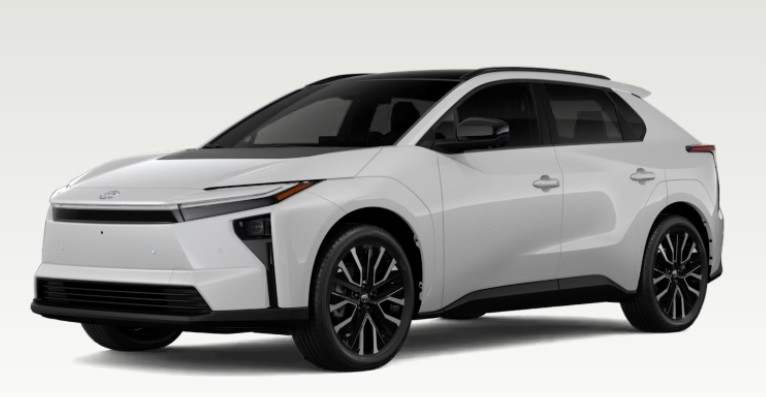
Toyota’s electric-car strategy in the United States finally feels like a genuine lineup rather than a single experiment. For the 2026 model year, American shoppers can choose among three Toyota battery-electric SUVs: the refreshed Toyota bZ, the adventure-focused Toyota bZ Woodland, and the sporty Toyota C-HR.
That last name may cause a little confusion. The C-HR does not carry “bZ” in its badge, but it belongs to Toyota’s current all-electric family in the USA. Therefore, when we talk broadly about Toyota bZ models in the USA, we are really looking at Toyota’s three-model battery-electric range.
Each vehicle fills a noticeably different role. The regular bZ aims to be the approachable, practical option. The bZ Woodland adds power, cargo room, towing capability, and a rugged personality. The electric C-HR trades some utility for sharper styling and a more athletic feel.
So, which Toyota electric model makes the most sense for us? Let’s compare the range, trims, performance, charging, interior space, pricing, and everyday usability of every current option.
What Does Toyota bZ Mean?
Toyota uses “bZ” as an abbreviation for Beyond Zero. The idea extends beyond simply producing a vehicle with no tailpipe emissions. Toyota presents the name as part of a broader effort to create transportation that delivers environmental and social benefits beyond reaching zero emissions.
In practical showroom language, however, bZ identifies Toyota’s dedicated battery-electric vehicles.
The first American model arrived as the bZ4X. For 2026, Toyota simplified the name to bZ. That shorter badge may seem like a tiny adjustment, but it makes the vehicle easier to remember and leaves room for related models such as the bZ Woodland.
Think of bZ as Toyota’s electric foundation. The vehicles built around it are meant to offer the familiar comfort, safety technology, and everyday friendliness associated with Toyota, only with batteries and electric motors replacing the gasoline engine.
How Many Toyota bZ Models Are Available in the USA?
There are currently two vehicles carrying the bZ name in Toyota’s 2026 U.S. range:
- 2026 Toyota bZ
- 2026 Toyota bZ Woodland
Toyota also sells the fully electric 2026 C-HR, creating a three-vehicle battery-electric lineup:
- Toyota bZ: mainstream compact electric SUV
- Toyota bZ Woodland: rugged and more spacious electric SUV
- Toyota C-HR: sporty compact electric crossover
Toyota’s own American electric-family page presents these three vehicles together. The bZ starts at $34,900, the bZ Woodland at $45,300, and the C-HR at $37,000 before destination charges and optional equipment.
That structure gives us a useful way to understand the range. The bZ is the value-oriented core model, the C-HR is the style-driven alternative, and the Woodland is the larger adventure machine.
Toyota bZ Models USA at a Glance
| Model | Starting MSRP | Maximum EPA Range | Maximum Power | Drivetrain |
|---|---|---|---|---|
| 2026 Toyota bZ | $34,900 | 314 miles | 338 hp | FWD or AWD |
| 2026 Toyota C-HR | $37,000 | 287 miles | 338 hp | Standard AWD |
| 2026 Toyota bZ Woodland | $45,300 | 281 miles | 375 hp | Standard AWD |
Prices exclude dealer processing, handling, taxes, registration, and optional equipment. EPA range varies according to trim, drivetrain, wheels, tires, temperature, speed, climate-control use, and other conditions.
The table reveals something important: the most expensive Toyota EV does not have the longest range. The Woodland costs more because it offers additional power, space, ground clearance, towing capability, and off-pavement equipment—not because it travels farther between charges.
2026 Toyota bZ: The Mainstream Choice
The standard bZ is the logical starting point for most buyers. It is Toyota’s most affordable dedicated EV in the United States and delivers the longest available range in the company’s current electric lineup.
The 2026 model is much more than a renamed bZ4X. Toyota refreshed its exterior, improved its cabin, increased output on certain versions, introduced a larger standard multimedia screen, and adopted the North American Charging System connector.
Starting at $34,900, it undercuts the other Toyota battery-electric SUVs while offering an EPA-estimated maximum range of 314 miles on the XLE FWD Plus configuration. Toyota also quotes up to 338 horsepower for AWD versions and a 4.9-second zero-to-60-mph time.
Those numbers move the bZ away from “interesting first attempt” territory. It now looks like a serious everyday electric crossover.
Toyota bZ Trim Levels
The exact bZ configuration matters because battery size, drivetrain, power, range, and equipment can change from one version to another.
The lineup centers on XLE and Limited grades, with front-wheel-drive and all-wheel-drive choices available in selected configurations. Some versions use a smaller-capacity battery to lower the entry price, while Plus models provide the larger battery and longer range.
This creates several buyer profiles:
- Entry configurations prioritize affordability.
- FWD Plus versions emphasize maximum driving range.
- AWD models prioritize traction and acceleration.
- Limited models add comfort, convenience, and upscale features.
The naming may require a few minutes with the specification sheet, but the underlying logic is simple. We can pay for greater range, more traction, more equipment, or a combination of those qualities.
Toyota bZ Range
The headline figure is an EPA-estimated 314 miles for the XLE FWD Plus. That is the version to watch when long-distance flexibility matters most.
Toyota lists an EPA-estimated 288 miles for the XLE AWD, illustrating the usual electric-vehicle trade-off. A second motor adds traction and performance but also increases weight and energy consumption.
Range is not a fixed promise carved into stone. Highway speed, winter temperatures, aggressive acceleration, hills, cargo, tire pressure, and cabin heating can all affect how far an EV travels.
Still, a 314-mile rating gives the bZ a much healthier cushion than Toyota’s earlier electric offering. For many households, it turns range anxiety from a roaring lion into a sleepy house cat.
Toyota bZ Performance
The quickest AWD models produce up to 338 combined system horsepower and can accelerate from zero to 60 mph in approximately 4.9 seconds.
That does not transform the bZ into a track car, nor should it. What it provides is effortless real-world speed. Electric torque arrives immediately, making urban gaps, freeway entrances, and passing maneuvers feel clean and natural.
Front-wheel-drive models are better suited to buyers who care more about efficiency and price than rapid acceleration. AWD versions make more sense in snowy regions, on slippery roads, or for drivers who simply enjoy stronger performance.
Who Should Buy the Toyota bZ?
The regular bZ is likely the best match for:
- Commuters wanting the longest Toyota EV range
- Families needing a comfortable five-seat crossover
- First-time EV buyers seeking familiar Toyota controls
- Shoppers focused on price and efficiency
- Drivers who want a choice between FWD and AWD
It is the sensible shoe of the lineup—but a sensible shoe with enough electric muscle to sprint.
2026 Toyota bZ Woodland: Built for Adventure
The bZ Woodland is Toyota’s answer for drivers who like the idea of an EV but do not want an anonymous pavement-only pod.
It looks tougher, sits higher, carries more gear, and produces considerably more power than the regular bZ. Toyota equips every Woodland with dual electric motors, all-wheel drive, X-MODE, Grip Control, and a combined output of 375 horsepower.
Its starting MSRP is $45,300. With standard all-season tires, it receives an EPA-estimated 281-mile range rating. Optional all-terrain tires reduce that figure to 260 miles.
That range penalty is the price of greater capability. Chunkier tires create more rolling resistance, while the taller and larger body must push more air.
What Makes the bZ Woodland Different?
The Woodland is nearly six inches longer than the standard bZ and slightly taller at the rear. The extra body length supports a more useful cargo area, giving it a practical advantage for camping, bicycles, pets, sports equipment, or road-trip luggage.
Toyota lists 74.3 cubic feet of storage with the second-row seats folded, compared with 67.1 cubic feet in the bZ. It also provides more than 30 cubic feet behind the rear seats.
Other defining features include:
- 8.4 inches of ground clearance
- Standard electric AWD
- X-MODE traction programming
- Grip Control
- 375 combined horsepower
- Roof rails
- Up to 3,500 pounds of towing capacity
- Available all-terrain tires
- Panoramic View Monitor with Multi-Terrain Monitor
This is not a rock crawler dressed in hiking boots. Nevertheless, it should be much better prepared for gravel roads, snowy driveways, muddy trailheads, campsites, and rough access routes than a typical low-slung EV.
Toyota bZ Woodland Models
Toyota offers two main versions:
bZ Woodland
The standard Woodland includes the essential hardware that defines the model: dual-motor AWD, the larger battery, X-MODE, generous cargo capacity, a 14-inch touchscreen, SofTex-trimmed seating, and roof rails.
For many buyers, this is the sweet spot. It retains the vehicle’s core capability without piling every luxury feature onto the price.
bZ Woodland Premium
The Premium grade adds comfort and technology rather than greater power or range. Equipment includes features such as JBL premium audio, ventilated front seats, driver-seat memory, a panoramic moonroof, and front radiant heaters.
Both grades receive the same 281-mile EPA range estimate with standard all-season tires. Therefore, choosing Premium is primarily about cabin amenities.
Who Should Buy the bZ Woodland?
The Woodland makes sense for:
- Outdoor-oriented households
- Drivers who regularly carry bulky gear
- Buyers needing modest towing ability
- People living near snow, gravel, or rough roads
- Families wanting more cargo room
- Drivers who prefer a rugged design
For someone who only drives through city traffic, it may be more vehicle than necessary. For someone whose weekends begin where the pavement ends, it is the most interesting Toyota EV.
2026 Toyota C-HR: The Sporty Electric Alternative
The reborn C-HR is dramatically different from the previous gasoline-powered crossover that disappeared from the American market.
For 2026, it returns as a fully electric compact SUV with standard AWD, dual motors, and 338 combined horsepower. Toyota says it can accelerate from zero to 60 mph in 4.9 seconds.
Its low roofline, broad stance, sharply creased body, and coupe-like profile place emotion ahead of maximum practicality. While the standard bZ looks balanced and conventional, the C-HR arrives wearing something closer to a tailored jacket.
The starting MSRP is $37,000, positioning it between the bZ and bZ Woodland.
Toyota C-HR Trim Levels
The electric C-HR is available in two grades:
- C-HR SE
- C-HR XSE
Both receive standard electronic AWD and the same 338-horsepower output. The primary differences involve styling, wheels, technology, comfort, and range.
C-HR SE Range and Features
The SE delivers the best efficiency in the C-HR family, with an EPA-estimated 287-mile driving range.
It is the stronger value for buyers attracted to the C-HR’s design and performance but unwilling to sacrifice additional range for larger wheels and luxury equipment.
The combination of 287 miles, standard AWD, and 338 horsepower makes it a compelling middle ground. We get considerably more performance than most practical compact crossovers without stepping all the way up to the Woodland’s price.
C-HR XSE Range and Features
The XSE receives a more premium presentation and sportier visual details. Its EPA-estimated range falls to 273 miles, partly because equipment and wheel choices can influence efficiency.
The XSE is not the rational range champion. It is the version for buyers who look back at their car after parking it.
That emotional appeal matters. Electric vehicles are often discussed like household appliances—kilowatt-hours, charging curves, efficiency, and warranties. The C-HR reminds us that design can still make the heart vote before the spreadsheet finishes speaking.
Who Should Buy the Electric C-HR?
The C-HR is best suited to:
- Drivers who prioritize styling
- Buyers wanting standard AWD
- People seeking quick acceleration
- Couples or smaller households
- Urban drivers who prefer a compact footprint
- Shoppers willing to trade cargo utility for personality
Rear visibility and cargo flexibility may not match the squarer Woodland. Yet for daily commuting and spirited weekend drives, the C-HR offers the liveliest character.
Toyota bZ vs bZ Woodland vs C-HR
Choosing between the three vehicles becomes easier when we identify what each one does best.
Best for Maximum Range: Toyota bZ
The bZ wins the range contest with up to 314 EPA-estimated miles.
That advantage matters for drivers with long commutes, limited home-charging access, or frequent highway travel. Its available front-wheel-drive layout also avoids making every buyer pay for a second motor they may not need.
Best for Outdoor Utility: bZ Woodland
The Woodland offers the most horsepower, the greatest cargo volume, the highest ground clearance, and the only meaningful towing rating of the group.
Its 281-mile maximum range is lower, but the trade feels reasonable considering its added ability.
Best for Style and Sportiness: Toyota C-HR
The C-HR combines a sleek body, standard AWD, and brisk acceleration. It feels designed for drivers rather than merely engineered for transportation.
Its range is competitive, especially in SE form, but its strongest selling point is personality.
Best Overall Value: Toyota bZ XLE FWD Plus
For many American buyers, the long-range FWD bZ represents the strongest blend of price, range, space, and everyday usability.
The C-HR is more dramatic, and the Woodland is more capable. The bZ, however, covers the broadest range of normal family needs.
Charging the Toyota bZ Models
All three 2026 Toyota battery-electric SUVs use a North American Charging System port, commonly called NACS.
That connector gives owners access to thousands of compatible high-speed charging locations. Toyota also supports Level 1 and Level 2 AC charging, allowing the vehicles to charge from a household outlet or a dedicated home charging station.
Toyota says the standard bZ can charge from approximately 10% to 80% in around 30 minutes under ideal DC fast-charging conditions.
Level 1 Charging
Level 1 uses a regular 120-volt household outlet.
It is slow and usually adds only a small amount of range each hour. For drivers covering very few daily miles, it may be workable. For most households using an EV as their main vehicle, it feels like filling a swimming pool with a garden sprayer.
Level 2 Home Charging
A 240-volt Level 2 charger is the most convenient solution for routine ownership.
We arrive home, plug in, and wake up with enough energy for the next day. The exact charging time depends on the vehicle, battery state, electrical circuit, charger output, and temperature.
Owners should obtain an assessment from a qualified electrician before installing home charging equipment.
DC Fast Charging
DC fast charging is designed for road trips and quick stops.
A quoted 10%-to-80% time assumes favorable conditions. Charging can slow when the battery is cold, extremely hot, nearly full, or connected to a station that cannot supply the required power.
The final 20% usually takes longer because the vehicle reduces charging speed to protect the battery. Therefore, on a road trip, several shorter stops may be faster than waiting for 100%.
Interior Technology Across the Lineup
Toyota equips its latest EVs with a significantly more modern cabin than the early bZ4X offered.
The 2026 bZ gains a redesigned center console, a slimmer instrument panel, customizable ambient lighting, and a standard 14-inch multimedia screen.
The Woodland also includes a 14-inch touchscreen, dual wireless charging areas, and durable SofTex-trimmed seating. Higher trims bring additional luxuries such as ventilated seats, premium audio, and a panoramic roof.
The C-HR follows a sportier theme, wrapping its technology in a more driver-focused environment.
Common highlights across the range may include:
- Wireless Apple CarPlay compatibility
- Wireless Android Auto compatibility
- Toyota connected services
- Digital instrumentation
- Wireless smartphone charging
- Multiple USB connections
- Available premium audio
- Advanced camera systems
- Toyota Safety Sense driver-assistance technology
Exact equipment varies by grade, so we should compare trim sheets rather than assuming every advertised feature comes standard.
Safety and Driver Assistance
Toyota’s electric SUVs include the brand’s current collection of active-safety and driver-assistance features.
Depending on model and trim, systems can include:
- Pre-Collision System with Pedestrian Detection
- Lane Departure Alert with Steering Assist
- Lane Tracing Assist
- Full-Speed Range Dynamic Radar Cruise Control
- Road Sign Assist
- Automatic High Beams
- Blind Spot Monitor
- Rear Cross-Traffic Alert
- Proactive Driving Assist
- Parking assistance and surround-view cameras
These technologies do not make the vehicle autonomous. The driver remains responsible for steering, braking, observation, and safe operation.
Still, a well-calibrated safety suite can reduce fatigue and provide an extra layer of support—like a quiet passenger who watches the road without constantly criticizing our driving.
Are Toyota bZ Models Good for Road Trips?
They can be, particularly the long-range bZ, but successful EV road trips require more planning than gasoline travel.
Before leaving, we should check:
- Whether chargers operate along the route
- Which networks require apps or accounts
- Whether the stations have NACS connectors
- Recent reliability reports for planned stops
- Backup charging locations
- Weather and elevation changes
- Hotel or destination charging availability
The 314-mile bZ provides the largest theoretical cushion. The Woodland may require earlier stops, especially with all-terrain tires, towing, roof cargo, or cold weather. The C-HR falls between them.
Realistically, most drivers will stop before reaching zero and may leave a fast charger near 80%. Therefore, usable road-trip intervals will be shorter than the full EPA figure.
Which Toyota Electric SUV Is Best in Winter?
AWD versions of the bZ, every C-HR, and every bZ Woodland should provide the strongest traction potential.
However, AWD does not create grip by magic. Tires remain critical. A front-wheel-drive bZ on excellent winter tires can perform better in many situations than an AWD model on unsuitable tires.
Cold weather also reduces EV range because batteries operate less efficiently and cabin heating consumes energy. Preconditioning the vehicle while it remains plugged in can help preserve battery power.
For severe winter environments, the Woodland stands out because of its AWD system, X-MODE, Grip Control, and additional ground clearance. The regular bZ AWD is likely the more efficient choice for normal snowy roads.
What Happened to the Toyota bZ4X?
The bZ4X did not disappear in the usual sense. Toyota renamed and extensively updated it for 2026.
The revised model is simply called the Toyota bZ.
The change removes the awkward combination of letters and numbers while reinforcing bZ as the central identity. Shoppers searching for a new bZ4X should therefore look for the 2026 bZ.
Used-vehicle listings will continue to show the bZ4X name because earlier model years retain their original badging.
Are More Toyota Electric Models Coming to the USA?
Yes. Toyota has already announced a battery-electric 2027 Highlander, expected to begin arriving in late 2026 and continue into early 2027.
Toyota describes it as the fourth BEV in its lineup, joining the bZ, bZ Woodland, and C-HR. The electric Highlander is expected to be assembled in Georgetown, Kentucky, with batteries sourced in the United States.
It will likely target families needing more seating and space than the current Toyota EVs provide.
However, it is not one of the 2026 bZ models discussed here, and Toyota has not branded it as a bZ. That suggests Toyota may increasingly use familiar model names for electric vehicles instead of placing every EV beneath the bZ badge.
Advantages of Toyota bZ Models
Toyota’s current electric lineup offers several appealing qualities:
- Familiar Toyota dealer network
- Three distinct crossover personalities
- Up to 314 miles of EPA-estimated range
- NACS charging compatibility
- Available or standard AWD
- Strong standard safety technology
- Practical crossover body styles
- Quick electric acceleration
- Improved interior screens and controls
- Battery-focused warranty coverage
The range now feels deliberately structured rather than accidentally assembled.
Potential Drawbacks to Consider
No vehicle is perfect, and Toyota’s EVs still present trade-offs.
Potential concerns include:
- Real-world range can drop in winter
- Public charging quality varies by location
- The Woodland’s all-terrain tires reduce range
- C-HR styling limits some utility
- Higher trims become considerably more expensive
- Home charger installation adds upfront cost
- Long-distance charging remains slower than filling a fuel tank
- Some competitors may offer different charging speeds or features
We should also compare insurance premiums, local electricity prices, incentives, dealer markups, and home-charging costs before making a decision.
How to Choose the Right Toyota bZ Model
A simple decision process can narrow the field quickly.
Choose the Toyota bZ When:
You want the lowest starting price, the longest possible range, or the freedom to choose between FWD and AWD.
Choose the Toyota C-HR When:
You value aggressive styling, standard AWD, compact dimensions, and quick acceleration more than maximum cargo space.
Choose the bZ Woodland When:
You need extra ground clearance, cargo capacity, towing capability, outdoor equipment, or the strongest performance.
Choose a Higher Trim When:
Premium audio, ventilated seating, panoramic glass, upgraded cameras, larger wheels, and luxury details genuinely improve your ownership experience.
Choose the Long-Range Version When:
You cannot charge reliably at home, drive substantial daily distances, or frequently travel through areas with sparse charging infrastructure.
Final Thoughts on Toyota bZ Models in the USA
Toyota’s American electric lineup has grown into three clearly differentiated choices.
The 2026 Toyota bZ is the practical all-rounder and range leader. It offers the most accessible starting price and is likely the best fit for typical commuters and families.
The 2026 Toyota C-HR brings more visual drama. It combines standard AWD and 338 horsepower with a compact, coupe-like design that refuses to look like a rolling refrigerator.
The 2026 Toyota bZ Woodland is the capable adventurer. It costs more and travels fewer miles per charge, but it earns that compromise through 375 horsepower, increased cargo room, useful ground clearance, trail-oriented driving modes, and a 3,500-pound towing rating.
There is no universal winner. The best model depends on whether we value range, style, or capability most.
For the broadest mix of affordability and everyday usefulness, the regular bZ is our strongest recommendation. For urban drivers who want more excitement, the C-HR deserves a close look. For active families carrying gear toward mountains, campsites, or snowy roads, the Woodland is the Toyota EV with the right boots.
Frequently Asked Questions
1. How many Toyota bZ models are sold in the USA?
Toyota sells two 2026 models carrying the bZ name: the Toyota bZ and Toyota bZ Woodland. Its broader U.S. battery-electric lineup also includes the electric Toyota C-HR.
2. Which Toyota bZ model has the longest range?
The 2026 Toyota bZ XLE FWD Plus has the longest range, with an EPA-estimated rating of up to 314 miles on a full charge.
3. What is the cheapest Toyota electric SUV in the USA?
The 2026 Toyota bZ is the least expensive, with a starting MSRP of $34,900 before destination fees, taxes, options, and dealer charges.
4. Is the Toyota C-HR part of the bZ family?
It does not use the bZ badge, but Toyota markets the electric C-HR alongside the bZ and bZ Woodland as part of its U.S. all-electric vehicle family.
5. Does every Toyota bZ model have all-wheel drive?
No. The standard Toyota bZ offers front-wheel-drive and all-wheel-drive configurations. The bZ Woodland and electric C-HR come with AWD as standard.
If you want to see other articles similar to Toyota bZ Models USA: Complete 2026 Electric SUV Guide you can visit the Compare category.
Ford Bronco Pros and Cons: Complete Buyer’s Guide
2026 Ford Bronco Towing: Capacity, Equipment, and Real-World Limits
Ford Bronco Gas Tank Size: 2026 U.S. Guide
2026 Ford Bronco Big Bend vs Outer Banks: Features and Differences Explained
2026 Ford Bronco Trim Levels in Order: Complete U.S. Guide
Ford Bronco Models Explained for U.S. Buyers
Leave a Reply
Related Topics