

Toyota Camry or Honda Accord: Which Sedan Should We Buy?

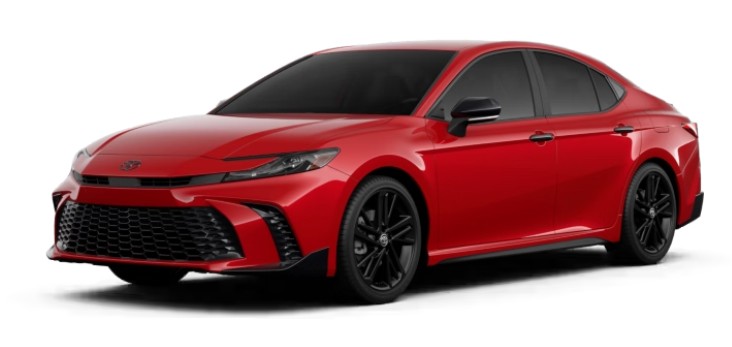
Contents in this publication
- Toyota Camry vs Honda Accord at a Glance
- The Core Difference Between the Camry and Accord
- Performance: Which One Feels Stronger?
- Fuel Economy: Camry Takes the Lead
- All-Wheel Drive: A Major Camry Advantage
- Ride Comfort: Two Different Approaches
- Interior Space: Accord Feels More Generous
- Cargo Space and Practicality
- Interior Quality: Honda Is Cleaner, Toyota Is Bolder
- Technology and Infotainment
- Safety: Both Are Excellent Choices
- Reliability and Long-Term Ownership
- Pricing and Value
- Styling: Conservative Elegance or Sporty Presence?
- Which One Is Better for Commuting?
- Which One Is Better for Driving Enthusiasts?
- Which One Is Better for Winter?
- Which Trim Should We Choose?
- Toyota Camry or Honda Accord: Pros and Cons
- Who Should Buy the Toyota Camry?
- Who Should Buy the Honda Accord?
- How to Make the Final Decision
- Final Verdict: Toyota Camry or Honda Accord?
- Frequently Asked Questions
Choosing between the Toyota Camry or Honda Accord feels a little like choosing between two excellent restaurants on the same street. Both have loyal customers, polished menus, and decades of experience. Yet they serve slightly different flavors.
The Camry leans toward efficiency, easy ownership, available all-wheel drive, and calm everyday usability. The Accord counters with generous passenger space, composed handling, a refined cabin, and a choice between turbocharged gasoline and hybrid powertrains.
For the 2026 model year, the difference is especially important. Every Toyota Camry now uses a hybrid powertrain, while the Honda Accord remains available with either a conventional turbocharged engine or a hybrid system. The Camry produces up to 232 combined horsepower with all-wheel drive and returns as much as an EPA-estimated 51 mpg combined. The Accord offers a 192-horsepower turbo engine in lower trims and a 204-horsepower hybrid system in upper trims.
So, which sedan belongs in our driveway? Let’s compare them where it actually matters: price, performance, comfort, efficiency, technology, safety, practicality, and long-term ownership.
Toyota Camry vs Honda Accord at a Glance
Before we dig into the details, here is the basic personality of each sedan.
| Category | Toyota Camry | Honda Accord |
|---|---|---|
| Standard powertrain | Hybrid | Turbo gasoline |
| Hybrid availability | Standard on every trim | Available on selected trims |
| Maximum output | Up to 232 combined hp with AWD | 204 combined hp in hybrid trims |
| Best combined fuel economy | Up to 51 mpg | Up to 48 mpg |
| All-wheel drive | Available | Not offered |
| Driving character | Smooth, efficient, secure | Balanced, spacious, responsive |
| Best suited to | Commuters, efficiency seekers, winter drivers | Families, highway drivers, keen drivers |
| Main advantage | Standard hybrid efficiency | Space and road manners |
The table gives us the broad picture, but numbers alone cannot explain how these cars feel in daily life.
The Core Difference Between the Camry and Accord
The biggest difference is no longer simply Toyota versus Honda. It is standard hybridization versus powertrain choice.
Toyota has committed the current Camry entirely to hybrid power. Whether we choose the LE, SE, Nightshade, XLE, or XSE, an electric motor works alongside a 2.5-liter gasoline engine.
Honda takes a more flexible approach. The Accord LX and SE use a 192-horsepower turbocharged gasoline engine, while the Sport Hybrid, EX-L Hybrid, Sport-L Hybrid, and Touring Hybrid use a 204-horsepower hybrid system.
That distinction immediately creates two different buying journeys.
Choose the Camry, and the question is not whether we want a hybrid. Instead, we decide how sporty, luxurious, or winter-ready we want that hybrid to be.
Choose the Accord, and we first decide whether paying more for the hybrid system makes sense.
Why This Matters in Everyday Driving
A hybrid generally feels different from a conventional turbocharged car. It can move away from a stop quietly, recover energy during braking, and rely on electric assistance in traffic.
That makes the Camry naturally suited to stop-and-go commuting. It behaves like a car designed around urban efficiency rather than a gasoline sedan that happens to offer an electrified alternative.
The Accord’s base turbo engine may appeal to buyers who want a familiar powertrain, a lower entry price, and strong highway efficiency without stepping into a hybrid trim.
Performance: Which One Feels Stronger?
Neither sedan is trying to be a muscle car. Still, both have enough power to merge confidently, pass slower traffic, and carry passengers without feeling breathless.
The front-wheel-drive Camry produces 225 combined horsepower, while all-wheel-drive versions reach 232 combined horsepower. The Accord Hybrid generates 204 combined horsepower, and the non-hybrid Accord produces 192 horsepower.
On paper, the Camry wins the horsepower contest. On the road, however, acceleration is only one part of the story.
Toyota Camry Power Delivery
The Camry’s hybrid system responds quickly at low speeds because its electric motor can provide immediate assistance. Press the accelerator in city traffic, and the car moves with a clean, effortless shove.
It does not feel explosive, but it rarely feels sleepy.
The experience is smoothest when we drive normally. Push harder, and the gasoline engine can become more noticeable as the continuously variable transmission holds higher engine speeds. That is typical behavior for many hybrids.
Sport-oriented SE and XSE models sharpen the car’s visual attitude and suspension tuning, but the Camry remains an approachable daily sedan rather than a true sports car.
Honda Accord Power Delivery
The base Accord’s turbocharged engine provides predictable acceleration and a more conventional gasoline-car personality. It works well for commuting and highway travel, although it lacks the immediate electric response of the hybrids.
The Accord Hybrid feels stronger and smoother around town. Its electric-focused operation creates crisp initial acceleration, while the gasoline engine supports the system as speed and load increase.
The Accord may have less stated horsepower than the Camry, but its controlled body motions and natural steering can make it feel more athletic through bends.
Performance Verdict
Choose the Camry when straight-line responsiveness, hybrid power on every trim, or available all-wheel drive matters most.
Choose the Accord when steering feel, composure, and balanced handling are higher priorities.
Fuel Economy: Camry Takes the Lead
This is one of the clearest victories in the comparison.
The most efficient 2026 Toyota Camry is rated at up to 51 mpg combined. The most efficient Accord Hybrid reaches 48 mpg combined, while the gasoline Accord is rated at up to 32 mpg combined.
A three-mpg difference between the best hybrids may not transform our monthly budget, but it matters over thousands of miles. The Camry’s larger advantage is that impressive efficiency comes standard rather than requiring us to move into a more expensive hybrid trim.
City Commuting
The Camry LE is especially attractive for congested urban driving. Toyota lists it at approximately 53 mpg city, 50 mpg highway, and 51 mpg combined.
The Accord EX-L Hybrid is the efficiency-focused version of Honda’s lineup, reaching approximately 51 mpg city, 44 mpg highway, and 48 mpg combined. Other Accord Hybrid trims with larger wheels are rated lower, at around 44 mpg combined.
Wheel size, trim level, weather, speed, and driving style can all affect real-world results. A driver who spends every morning crawling through traffic may see a different outcome from someone who cruises at high speeds across open highways.
Highway Driving
The gap becomes more nuanced on the highway.
The gasoline Accord can be surprisingly efficient during steady cruising because its engine operates without carrying the additional complexity and weight of hybrid hardware. Honda rates the most efficient conventional Accord at 37 mpg highway.
The Camry remains highly efficient at highway speeds, particularly in LE form, but the real magic of both hybrids usually appears in mixed or urban driving.
Fuel-Economy Verdict
For maximum efficiency, the Toyota Camry is the better choice.
The Accord is still economical, especially in EX-L Hybrid form, but the Camry combines stronger official figures with standard hybrid power across the entire lineup.
All-Wheel Drive: A Major Camry Advantage
Drivers living in areas with snow, steep roads, heavy rain, or slippery winter conditions may find this section decisive.
The Toyota Camry offers Electronic On-Demand All-Wheel Drive across its lineup. Toyota adds an electric motor at the rear axle, allowing the car to send extra assistance to the rear wheels when conditions require it. All five Camry grades are available with either front-wheel drive or all-wheel drive.
The Honda Accord is front-wheel drive only.
All-wheel drive does not replace proper tires, cautious driving, or good judgment. Still, it can help a car pull away more confidently on slippery surfaces.
Who Actually Needs AWD?
We should consider the Camry AWD when:
- We regularly drive through snow or icy conditions.
- Our home has a steep or poorly maintained road.
- We travel to mountain areas during winter.
- Added traction matters more than maximum fuel economy.
- We simply feel more comfortable with four-wheel assistance.
Drivers in warm climates with well-maintained roads may not gain much from paying for AWD. Front-wheel drive remains perfectly suitable for most daily journeys.
Ride Comfort: Two Different Approaches
The Camry and Accord are both comfortable, but their suspensions speak with different accents.
The Camry tends to isolate us from the road. It aims to make errands, commutes, and long trips feel easy. The Accord lets a little more of the road’s texture reach the driver, but it usually feels controlled rather than harsh.
Think of the Camry as a comfortable pair of walking shoes. The Accord is more like a well-fitted pair of trainers: still comfortable, but a little more eager to change direction.
Camry Ride Quality
LE and XLE trims are generally the comfort-oriented choices. Their wheel-and-tire combinations provide more cushioning than the larger, sportier wheels found on some higher trims.
The SE, Nightshade, and XSE adopt a firmer character. They look more aggressive and respond more eagerly, but sharp road imperfections may feel more pronounced.
Accord Ride Quality
The Accord’s long wheelbase and mature suspension help it settle into highway cruising beautifully. It feels planted at speed, composed over sweeping bends, and stable during quick lane changes.
Sport-oriented trims with larger wheels sacrifice some softness. The EX-L Hybrid is often the sweet spot for buyers who want hybrid efficiency, comfort, and a more forgiving wheel setup.
Comfort Verdict
Choose the Camry LE or XLE for relaxed, low-effort commuting.
Choose the Accord, particularly the EX-L Hybrid, for an excellent blend of comfort and driver engagement.
Interior Space: Accord Feels More Generous
Step inside both cars, and the Accord often creates the stronger first impression for spaciousness.
Its cabin feels long, open, and intelligently packaged. Rear-seat passengers benefit from generous legroom, making the Honda particularly appealing for families, adult carpools, and rideshare drivers.
The Camry is far from cramped. Four adults can travel comfortably, and the seating position feels natural. Nevertheless, the Accord generally gives rear passengers more room to stretch out.
Front-Seat Experience
The Camry cockpit wraps around the driver more noticeably. Its controls are easy to understand, and upper trims introduce more decorative materials and visual contrast.
The Accord uses a cleaner, more horizontal layout. The dashboard appears wide, uncluttered, and modern. Honda’s mesh-style vent treatment helps conceal the air outlets and gives the interior a consistent visual theme.
Rear-Seat Experience
For children, either sedan should work well.
For tall teenagers or adults, the Accord earns the advantage. Its extra sense of length can make a significant difference during a two-hour journey.
If rear-seat comfort is a major priority, we should sit behind our own preferred driving position during the test drive. Specification sheets cannot reveal whether a seat cushion supports our legs properly or whether the roofline feels too close.
Cargo Space and Practicality
Both sedans offer useful trunks, folding rear seatbacks, door pockets, cupholders, and enough interior storage for normal family life.
The Accord’s trunk is one of its practical strengths. Its wide opening and generous capacity make it well suited to luggage, groceries, sports equipment, and baby gear.
The Camry also provides a competitive trunk, and the hybrid battery does not turn the cargo area into an awkward obstacle course. That matters because older hybrids sometimes sacrificed useful space to battery placement.
Which Is Better for Families?
The Accord wins when we frequently carry:
- Adult rear passengers
- Large suitcases
- Strollers
- Sports bags
- Bulky grocery loads
The Camry may be the more appealing family choice when all-wheel drive, lower fuel consumption, or simpler trim selection matters more than extracting the maximum possible cabin space.
Interior Quality: Honda Is Cleaner, Toyota Is Bolder
Cabin quality is not only about softness. Design, ergonomics, noise control, screen placement, seat comfort, and the way switches operate all influence our perception.
The Accord’s interior takes a restrained approach. Its dashboard is elegant without trying too hard, and the physical controls remain easy to use. It feels like a workspace designed by someone who dislikes clutter.
The Camry is more expressive. Depending on the trim, its dashboard shapes, colors, stitching, and sport-inspired touches can make the cabin feel livelier.
Which Cabin Will Age Better?
Minimalist designs often age gracefully because they rely less on decorative trends. That gives the Accord an advantage for buyers who prefer subtle styling.
The Camry’s cabin may appeal more strongly today, especially in sporty or high-end trims. Whether it still looks fresh after eight years will depend on our taste.
Neither interior reaches true luxury-car standards, but both can feel impressively upscale in higher trims.
Technology and Infotainment
Modern car shoppers expect more than a radio and a charging socket. Connectivity has become part of the daily driving experience.
The Accord offers a 10.2-inch digital instrument display across the lineup, while available features include a large central touchscreen, wireless smartphone integration, wireless charging, and Google built-in on selected trims.
The Camry also offers digital instrumentation, wireless Apple CarPlay and Android Auto compatibility, available larger displays, wireless charging, and connected services.
Ease of Use
Honda’s system tends to feel logically organized. Menus are clear, icons are recognizable, and physical controls remain available for common climate functions.
Toyota’s current interface is also much better than older systems. The screen responds quickly, the graphics are clean, and wireless smartphone connectivity reduces cable clutter.
The best system may simply be the one that matches our habits. An iPhone user should connect Apple CarPlay during the test drive. An Android user should do the same with Android Auto.
Technology Verdict
The Accord Touring Hybrid offers the richest integrated technology experience.
The Camry delivers strong connectivity across more of its lineup and may provide better value when we do not need every premium feature.
Safety: Both Are Excellent Choices
Safety is one area where neither car gives us much reason for concern.
For 2025–2026 models, both the Camry and Accord earned IIHS recognition. Under the stricter 2026 award criteria, the Toyota Camry earned Top Safety Pick+, while the Honda Accord earned Top Safety Pick.
Both manufacturers also include broad driver-assistance packages.
Typical features may include:
- Automatic emergency braking
- Forward-collision warning
- Lane-departure warning
- Lane-keeping assistance
- Adaptive cruise control
- Automatic high beams
- Traffic-sign recognition
- Blind-spot monitoring on selected trims
Feature availability can vary by trim, so we should verify the exact equipment on the vehicle being purchased rather than assuming every version is identical.
Toyota Safety Sense vs Honda Sensing
Toyota Safety Sense and Honda Sensing pursue the same basic goal: reducing driver workload and helping prevent common collisions.
The systems may behave differently in lane centering, warning sensitivity, and adaptive cruise operation. Some drivers prefer Toyota’s calibration; others find Honda’s behavior more natural.
This is why a test drive should include more than a quiet residential street. Trying adaptive cruise control and lane assistance on a suitable highway can reveal which system feels less intrusive.
Reliability and Long-Term Ownership
Camry and Accord reputations were not built in a single model year. Both nameplates became popular because they repeatedly delivered sensible ownership, strong resale demand, and long service lives when properly maintained.
That does not mean every vehicle will be flawless. Modern sedans contain hybrid batteries, turbochargers, sensors, cameras, infotainment screens, emissions hardware, and electronic control modules. Even reliable cars can require repairs.
Camry Reliability Considerations
The Camry’s hybrid system builds on Toyota’s long experience with electrified powertrains. Toyota has sold hybrids at enormous scale, giving the company years of real-world data.
The current Camry also avoids the small turbocharged engine used by some rivals. Its naturally aspirated gasoline engine works with electric motors rather than depending on turbo boost.
Potential owners should still consider:
- Hybrid-battery warranty terms
- Insurance costs
- Replacement-tire prices
- Availability of qualified service centers
- Maintenance records when buying used
Accord Reliability Considerations
The Accord’s hybrid system also has a well-established history, and Honda has extensive experience building efficient four-cylinder engines.
The base turbocharged engine is mechanically different from the hybrid system. Buyers planning to keep the car for a very long time may prefer the hybrid’s naturally aspirated engine arrangement, while others may appreciate the lower initial cost and conventional behavior of the turbo model.
Maintenance history matters more than internet mythology. A carefully serviced Accord is generally a safer used-car choice than a neglected Camry, and the reverse is equally true.
Reliability Verdict
This category is effectively a draw.
Toyota may have the stronger public reputation for hybrid durability, but Honda remains one of the safest mainstream bets. Condition, servicing, driving history, and local support should guide the final decision.
Pricing and Value
Price comparisons become tricky because the Camry includes hybrid power as standard, while the Accord begins with a gasoline engine.
The 2026 Honda Accord LX starts at $28,395 before destination charges and optional equipment. Honda lists the Accord Hybrid family from $33,795.
The Camry’s pricing structure places every buyer into a hybrid from the beginning. The exact transaction price will depend on trim, destination fees, accessories, regional supply, dealer discounts, taxes, and financing.
Looking Beyond the Sticker Price
A cheaper purchase is not always the cheaper car to own.
We should calculate:
- Purchase price
- Financing cost
- Fuel consumption
- Insurance premium
- Scheduled maintenance
- Tire replacement
- Registration and taxes
- Expected resale value
Someone driving 20,000 miles annually may recover part of a hybrid price difference through fuel savings. Someone driving 5,000 miles per year may never save enough fuel to offset a large upfront premium.
Because the Camry is hybrid-only, buyers do not have to climb several trim levels to achieve its best-known ownership benefit.
Styling: Conservative Elegance or Sporty Presence?
Beauty remains personal, but these sedans send different visual messages.
The Accord looks long, low, and mature. Its roofline flows smoothly toward the rear, while its restrained front end avoids unnecessary drama. It resembles a tailored jacket: clean, serious, and easy to wear anywhere.
The Camry is more expressive. Its front-end treatment, sculpted bodywork, available contrasting trim, and sport-oriented versions create a stronger road presence.
Which Design Fits Us?
Choose the Accord when we prefer:
- Understated styling
- A long, elegant profile
- Minimal visual clutter
- A design that blends into professional settings
Choose the Camry when we prefer:
- Sharper body lines
- A more aggressive front end
- Sport-inspired trim options
- Greater visual variety across the lineup
The best design is the one we still enjoy seeing from the kitchen window five years later.
Which One Is Better for Commuting?
For heavy commuting, the Camry makes an exceptionally strong argument.
Its standard hybrid system, excellent combined fuel economy, comfortable ride, available AWD, and easy controls create a car that asks very little from us. It simply gets on with the job.
The Accord remains an excellent commuter, particularly in hybrid form. Its spacious cabin and polished road manners can make long highway journeys feel less tiring.
Camry Commuter Strengths
- Better maximum combined fuel economy
- Hybrid power on every trim
- Available all-wheel drive
- Smooth low-speed response
- Comfortable everyday personality
Accord Commuter Strengths
- Spacious seating
- Large trunk
- Excellent highway stability
- Clean dashboard design
- Choice of gasoline or hybrid power
For stop-and-go city driving, the Camry wins. For long highway journeys, the Accord may feel more natural and spacious.
Which One Is Better for Driving Enthusiasts?
The term “driving enthusiast” covers a wide spectrum. Some drivers want rapid acceleration. Others care more about steering accuracy, body control, brake feel, and the way a car flows through a sequence of corners.
The Camry has the horsepower advantage, particularly with AWD. It can feel quick enough for everyday enjoyment, and sport trims give it a firmer edge.
The Accord, however, traditionally prioritizes driver involvement. Its steering and chassis balance make it feel smaller than its exterior dimensions suggest.
Enthusiast Verdict
The Honda Accord is generally the more satisfying car on a winding road.
The Toyota Camry may suit drivers who value punchy hybrid response and traction more than steering feedback.
Which One Is Better for Winter?
The Camry wins this category because it offers AWD.
A front-wheel-drive Accord fitted with high-quality winter tires can still perform very well. Tires affect stopping, steering, and acceleration, while AWD primarily improves the ability to move forward under low-traction conditions.
The ideal winter setup may therefore be:
- Camry AWD with winter tires for maximum reassurance
- Accord FWD with winter tires for moderate winter climates
- Camry FWD with winter tires for efficiency-conscious drivers
We should not assume an AWD badge makes all-season tires invincible. Physics always gets the final vote.
Which Trim Should We Choose?
Best Toyota Camry Trim for Most Buyers
The Camry LE is the rational choice. It offers the best fuel economy, hybrid performance, a comfortable ride, and the essential equipment most drivers need.
The SE adds sportier styling and firmer responses. The Nightshade turns up the visual drama. The XLE focuses on comfort and premium features, while the XSE mixes luxury equipment with a more athletic appearance.
Our Camry Sweet Spot
For maximum value: Camry LE
For style and everyday usability: Camry SE
For comfort and technology: Camry XLE
For winter traction: Whichever preferred trim includes AWD
Best Honda Accord Trim for Most Buyers
The Accord LX provides the lowest entry price and good standard technology. The SE adds convenience and comfort features while retaining the turbocharged engine.
The Sport Hybrid is the gateway into Honda’s electrified lineup. The EX-L Hybrid usually makes the strongest efficiency-and-comfort case. The Sport-L Hybrid adds more visual aggression, while the Touring Hybrid delivers the fullest technology package.
Our Accord Sweet Spot
For lowest purchase price: Accord LX
For hybrid value and sporty styling: Accord Sport Hybrid
For comfort and maximum efficiency: Accord EX-L Hybrid
For luxury and technology: Accord Touring Hybrid
Toyota Camry or Honda Accord: Pros and Cons
Toyota Camry Pros
- Standard hybrid power
- Up to 51 mpg combined
- More horsepower than the Accord Hybrid
- Available all-wheel drive
- Strong safety performance
- Broad range of comfort and sport trims
- Excellent commuter credentials
Toyota Camry Cons
- No conventional gasoline-only option
- Rear seating feels less generous than the Accord
- Hybrid powertrain can sound strained under hard acceleration
- Sport trims are not true performance sedans
- Styling may feel busy to some buyers
Honda Accord Pros
- Spacious passenger cabin
- Generous trunk
- Refined ride and handling balance
- Choice of turbo gasoline or hybrid power
- Clean interior design
- Excellent highway manners
- Strong safety credentials
Honda Accord Cons
- No all-wheel-drive option
- Hybrid power is not standard
- Some hybrid trims return lower fuel economy than the Camry LE
- Larger wheels can reduce ride comfort
- Base engine is less powerful than Camry’s hybrid system
Who Should Buy the Toyota Camry?
The Camry makes the most sense when we want a sedan that behaves like an efficient appliance without actually feeling dull.
It is particularly suitable for:
- Daily urban commuters
- High-mileage drivers
- Buyers who want a hybrid without climbing to an expensive trim
- Drivers living in snowy or rainy regions
- Owners focused on fuel economy
- Shoppers who value easy resale and broad service availability
The Camry’s greatest strength is how neatly it packages sensible decisions. We do not need to debate whether the hybrid is worth adding because it is already part of the car.
Who Should Buy the Honda Accord?
The Accord fits buyers who want their practical family sedan to feel spacious and polished, with a hint of personality behind the wheel.
It is especially suitable for:
- Families carrying tall rear passengers
- Drivers who spend many hours on highways
- Buyers who prefer understated styling
- People who want a gasoline model at a lower starting price
- Drivers who appreciate balanced handling
- Shoppers seeking a roomy trunk and open cabin
The Accord’s appeal is less about dominating one statistic and more about feeling complete. It is the kind of car that quietly improves the longer we spend with it.
How to Make the Final Decision
A spreadsheet can narrow the choice, but a proper test drive should finish the job.
We should drive both cars over the same route and pay attention to:
- Seat comfort after at least 20 minutes
- Visibility at intersections
- Road and wind noise
- Acceleration when joining a highway
- Brake-pedal feel
- Steering weight
- Rear-seat access
- Trunk opening and floor shape
- Infotainment response
- Driver-assistance behavior
We should also request complete out-the-door quotes. A car with a lower MSRP can become more expensive after accessories, dealer packages, financing terms, and insurance differences.
Final Verdict: Toyota Camry or Honda Accord?
The Toyota Camry is the better all-around choice for most efficiency-focused buyers. Its standard hybrid powertrain, higher available output, excellent fuel economy, and optional all-wheel drive give it several practical advantages. It is especially compelling for commuters, high-mileage drivers, and people who regularly face poor weather.
The Honda Accord is the better choice for buyers who prioritize cabin space, highway refinement, clean design, and enjoyable handling. It feels mature, roomy, and carefully balanced. The ability to select either a lower-priced turbocharged model or a refined hybrid also gives shoppers more powertrain flexibility.
So, should we buy the Toyota Camry or Honda Accord?
Choose the Camry when efficiency, AWD, and straightforward hybrid ownership lead the list.
Choose the Accord when space, composure, and driver engagement matter more.
There is no bad answer here. We are not choosing between a winner and a loser. We are choosing between two different interpretations of the modern family sedan: the Camry is the efficient multitool, while the Accord is the spacious all-rounder.
Frequently Asked Questions
1. Is the Toyota Camry better than the Honda Accord?
The Camry is better for buyers who want standard hybrid efficiency, available all-wheel drive, and higher maximum combined horsepower. The Accord is better for shoppers who prioritize rear-seat room, trunk space, highway comfort, and balanced handling.
2. Which lasts longer, the Toyota Camry or Honda Accord?
Both can last for many years and high mileage when maintained correctly. Service history, driving conditions, accident history, climate, and owner care matter more than the badge alone. Toyota has an especially strong hybrid reputation, while Honda also has a long record of durable midsize sedans.
3. Which gets better gas mileage, Camry or Accord?
The most efficient 2026 Camry is rated at up to 51 mpg combined, while the most efficient Accord Hybrid reaches up to 48 mpg combined. The conventional gasoline Accord is rated at up to 32 mpg combined.
4. Is the Honda Accord bigger than the Toyota Camry?
The vehicles are close in overall category and exterior footprint, but the Accord generally feels roomier inside, especially for rear-seat passengers. It also offers a highly practical trunk, making it a strong family and road-trip sedan.
5. Should we buy a Camry Hybrid or Accord Hybrid?
Buy the Camry Hybrid for stronger fuel-economy figures, more combined horsepower, available AWD, and hybrid power on every trim. Buy the Accord Hybrid for a roomier cabin, refined highway manners, and more engaging handling.
If you want to see other articles similar to Toyota Camry or Honda Accord: Which Sedan Should We Buy? you can visit the Compare category.
Ford Bronco Pros and Cons: Complete Buyer’s Guide
2026 Ford Bronco Towing: Capacity, Equipment, and Real-World Limits
Ford Bronco Gas Tank Size: 2026 U.S. Guide
2026 Ford Bronco Big Bend vs Outer Banks: Features and Differences Explained
2026 Ford Bronco Trim Levels in Order: Complete U.S. Guide
Ford Bronco Models Explained for U.S. Buyers
Leave a Reply
Related Topics