

Toyota Camry LE vs SE vs XLE vs XSE: Which Trim Should We Buy?

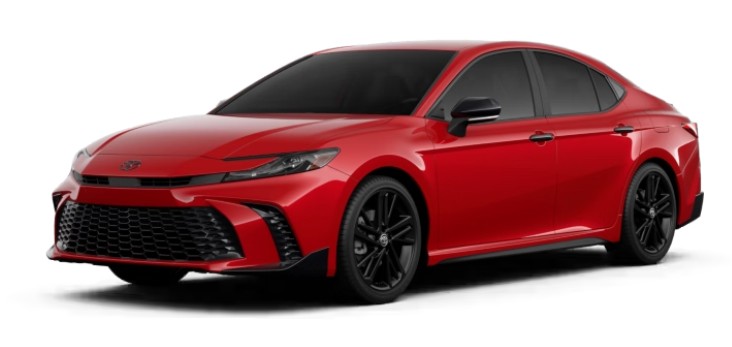
Contents in this publication
- Toyota Camry LE vs SE vs XLE vs XSE at a Glance
- What Do LE, SE, XLE, and XSE Mean?
- Powertrain Comparison: Do the Camry Trims Have Different Engines?
- Front-Wheel Drive vs All-Wheel Drive
- Toyota Camry LE: The Efficiency Leader
- Toyota Camry SE: The Sporty Value Choice
- Toyota Camry XLE: The Comfort-Focused Premium Trim
- Toyota Camry XSE: The Fully Loaded Sporty Choice
- Interior Comparison
- Infotainment and Technology
- Exterior Styling Differences
- Ride Comfort and Handling
- Fuel Economy Comparison
- Safety and Driver Assistance
- Price and Value
- Ownership Costs Beyond the Purchase Price
- Toyota Camry LE vs SE
- Toyota Camry LE vs XLE
- Toyota Camry SE vs XSE
- Toyota Camry XLE vs XSE
- Which Toyota Camry Trim Is Best for Commuting?
- Which Toyota Camry Trim Is Best for Families?
- Which Toyota Camry Trim Looks Best?
- Which Trim Should We Avoid?
- Our Final Toyota Camry Trim Recommendations
- Conclusion
- Frequently Asked Questions
Choosing between the Toyota Camry LE vs SE vs XLE vs XSE can feel like ordering coffee from a menu where every option uses the same beans but promises a completely different experience. Underneath, these Camry trims share the same efficient hybrid foundation. Yet their personalities, comfort levels, styling, equipment, and prices pull them in four distinct directions.
The LE is the sensible fuel-saving champion. The SE adds athletic styling and a firmer attitude. The XLE leans toward quiet luxury, while the XSE mixes premium equipment with the boldest design in the range.
For the current 2026 U.S. lineup, every Camry uses a fifth-generation Toyota Hybrid System built around a 2.5-liter four-cylinder engine. Front-wheel-drive models produce 225 net combined horsepower, while available electronic on-demand all-wheel drive raises output to 232 horsepower. In other words, choosing a higher trim does not automatically buy us a more powerful engine. Instead, we are paying for changes in design, suspension tuning, interior materials, technology, wheels, and comfort.
So, which trim truly provides the best value? Let’s break down the Toyota Camry lineup without drowning in brochure language.
Toyota Camry LE vs SE vs XLE vs XSE at a Glance
Here is the simplest way to understand the four main Camry trims:
| Camry trim | Main personality | Best for | Standard wheel style | Key advantage |
|---|---|---|---|---|
| LE | Practical and efficient | Commuters and value buyers | 16-inch alloy wheels | Best fuel economy |
| SE | Sporty and affordable | Drivers wanting sharper styling | 18-inch sport alloy wheels | Best balance of style and price |
| XLE | Comfortable and upscale | Buyers prioritizing luxury | 18-inch machine-finished wheels | Most refined ride and cabin |
| XSE | Sporty and premium | Buyers wanting nearly everything | 19-inch alloy wheels | Boldest appearance and equipment |
The distinction follows a useful pattern. The LE and XLE belong to the comfort-oriented side of the family, while the SE and XSE use sport-themed exterior details and suspension tuning. The “X” trims sit higher in the range and bring more standard technology and premium materials.
That gives us four straightforward choices:
- LE: affordable comfort.
- SE: affordable sportiness.
- XLE: premium comfort.
- XSE: premium sportiness.
What Do LE, SE, XLE, and XSE Mean?
Toyota does not expect us to decode every letter like an ancient map, but the trim names still offer clues.
Camry LE Meaning
LE traditionally represents a well-equipped mainstream trim. It is not a stripped-out fleet car. The Camry LE includes the core safety, connectivity, hybrid-performance, and convenience features most drivers need.
Its mission is simple: deliver the Camry experience at the lowest regular price while maximizing efficiency.
Camry SE Meaning
SE introduces a sportier character. It generally adds more aggressive exterior styling, larger wheels, sport-oriented cabin details, and a sport-tuned suspension.
The SE does not transform the Camry into a track car. Think of it as swapping comfortable walking shoes for stylish sneakers. The underlying car remains practical, but it looks and feels more energetic.
Camry XLE Meaning
XLE is the comfort-focused premium trim. It builds on the practical philosophy of the LE but adds richer materials, larger displays, additional convenience features, and a more polished exterior.
This is the Camry for buyers who want something approaching entry-level luxury without paying luxury-brand ownership costs.
Camry XSE Meaning
XSE combines the upgraded equipment of the XLE with the sporty appearance and chassis character associated with the SE.
It is the showpiece of the main Camry lineup: larger wheels, dramatic styling, premium cabin materials, and available appearance combinations that make the sedan look considerably more expensive than it is.
Powertrain Comparison: Do the Camry Trims Have Different Engines?
Mechanically, the four trims are far more alike than different.
The current Camry is exclusively hybrid in the United States. Its fifth-generation hybrid system combines a 2.5-liter four-cylinder gasoline engine with electric motors and an electronically controlled continuously variable transmission.
Front-wheel-drive versions produce 225 net combined horsepower. Models equipped with electronic on-demand all-wheel drive produce 232 horsepower because an additional electric motor powers the rear axle when extra traction is needed.
That means an XSE is not substantially faster simply because it costs more than an LE. Both use the same basic hybrid powertrain.
The real performance differences come from:
- Wheel and tire sizes.
- Suspension tuning.
- Vehicle weight.
- Steering feel.
- FWD or AWD configuration.
- Differences in rolling resistance.
Drivers who expect an XSE-specific turbo engine or a hidden V6 will not find one. The old 301-horsepower Camry V6 and TRD model belonged to the previous generation. The new Camry’s personality revolves around smooth hybrid torque, everyday efficiency, and quiet acceleration rather than muscle-car drama.
Front-Wheel Drive vs All-Wheel Drive
LE, SE, XLE, and XSE models can be configured with front-wheel drive or electronic on-demand all-wheel drive.
The AWD system differs from a conventional mechanical setup because the hybrid Camry does not need a traditional driveshaft running from the engine to the rear wheels. Instead, a dedicated electric motor assists the rear axle when conditions demand more grip.
When FWD Makes More Sense
Front-wheel drive is the logical option when we:
- Live in a mild climate.
- Prioritize maximum fuel economy.
- Want the lowest purchase price.
- Rarely encounter snow or steep, slippery roads.
- Prefer fewer components and slightly lower weight.
When AWD Is Worth Considering
All-wheel drive becomes more appealing when we:
- Regularly drive through snow.
- Deal with heavy rain or loose surfaces.
- Live in a mountainous region.
- Frequently climb wet or icy hills.
- Value extra traction more than peak efficiency.
AWD improves confidence, but it does not replace winter tires. Tires determine how effectively a car accelerates, turns, and stops on slippery pavement. AWD mainly helps the Camry put power down more securely.
Toyota Camry LE: The Efficiency Leader
The Camry LE is the least expensive of the four trims, yet “base model” undersells what it offers.
Its greatest strength is efficiency. Toyota lists the 2026 Camry LE FWD at an EPA-estimated 52 mpg city, 49 mpg highway, and 51 mpg combined. The LE AWD is rated at 50 mpg city, 49 mpg highway, and 50 mpg combined. Those numbers place it ahead of the other main trims.
Why does the LE perform so well? Its smaller 16-inch wheels and efficiency-focused tires create less aerodynamic drag and rolling resistance than the larger sport wheels fitted to upper trims.
What the Camry LE Gets Right
The LE appeals because it focuses on the features that affect daily ownership most:
- Excellent fuel economy.
- Comfortable ride quality.
- Standard hybrid power.
- Available AWD.
- Toyota Safety Sense driver assistance.
- Wireless smartphone compatibility.
- Practical 60/40-split folding rear seats.
- Lower tire-replacement costs than upper trims.
- A less expensive starting point.
The cabin is not luxurious, but it does not feel unfinished. Its controls are modern, the seating is spacious, and the hybrid system behaves smoothly in traffic.
Who Should Buy the Camry LE?
The LE is ideal for commuters, rideshare drivers, families watching their budget, and anyone who sees a vehicle primarily as dependable transportation.
It is also arguably the smartest trim for high-mileage ownership. Smaller wheels usually mean tires with taller sidewalls, which can improve ride comfort and reduce the risk of wheel damage on rough pavement.
The LE may not turn many heads in a parking lot, but it quietly delivers what many Camry owners value most: low fuel consumption, predictable operation, and sensible costs.
Toyota Camry SE: The Sporty Value Choice
The Camry SE takes the practical ingredients of the LE and adds visual seasoning.
It has a more aggressive front-end treatment, sport mesh grille, black exterior details, larger wheels, and a sport-tuned suspension. Inside, the design carries a more youthful flavor, with sport-oriented trim and seating materials.
The SE is the trim we choose when the LE seems too conservative but the XSE costs more than we want to spend.
Does the Camry SE Feel Faster Than the LE?
Not dramatically. It uses the same hybrid output, so straight-line acceleration remains similar.
However, the SE can feel more responsive because of:
- Firmer suspension tuning.
- Lower-profile tires.
- A more connected road feel.
- Sportier steering responses.
- Seating that creates a more driver-focused atmosphere.
The difference is closer to changing the posture of the car than changing its heart. The SE feels more alert, even though its engine is not meaningfully stronger.
The Trade-Off Behind the Sporty Look
Larger wheels look attractive, but they bring compromises. Compared with the LE, the SE may produce slightly more tire noise, transmit sharper impacts over potholes, and cost more when replacement tires are needed.
Its fuel-economy rating also drops. Toyota rates the 2026 SE FWD at an estimated 47 mpg city, 45 mpg highway, and 46 mpg combined. The SE AWD is rated at 46 mpg city, 46 mpg highway, and 46 mpg combined.
Those are still excellent figures for a midsize sedan. Nevertheless, drivers covering thousands of highway miles each month may appreciate the LE’s extra efficiency.
Who Should Buy the Camry SE?
The SE is suited to buyers who:
- Want sporty styling without a premium-trim price.
- Prefer a firmer suspension.
- Find the LE visually plain.
- Do not require leather-trimmed seating.
- Want the most balanced blend of price and curb appeal.
For many people, the SE represents the sweet spot. It looks distinctive, retains strong fuel economy, and avoids the price jump associated with the XLE and XSE.
The XLE asks a different question: what happens when we take the efficient Camry formula and make it quieter, richer, and more relaxing?
This trim abandons the SE’s sporty mission in favor of refinement. Its exterior uses more sophisticated detailing, including an upscale grille treatment, chrome accents, and 18-inch black-and-machine-finished alloy wheels. Toyota identifies the XLE as the luxury-oriented side of the Camry range.
Inside, the difference becomes more obvious.
The XLE includes a 12.3-inch Toyota Audio Multimedia touchscreen, leather- and microfiber-trimmed heated front seats, and the availability of ventilated front seats.
Why the XLE Feels More Expensive
Premium cars rarely impress through one enormous feature. Instead, they create an atmosphere through dozens of small improvements.
The XLE feels more upscale because it may provide:
- A larger infotainment display.
- A larger digital instrument cluster.
- Heated front seats.
- Leather and microfiber upholstery.
- Additional soft-touch cabin surfaces.
- More sophisticated exterior trim.
- Available ventilated seats.
- Available head-up display.
- Available panoramic glass roof.
- Additional parking and driver-assistance technology.
Some features depend on packages, options, or production configuration, so buyers should inspect the individual window sticker rather than assuming every XLE includes every premium feature.
Is the XLE Worth More Than the LE?
That depends on how much time we spend inside the car.
For a driver making short errands, the LE may provide everything necessary. For someone commuting two hours a day, heated seats, larger displays, richer surfaces, and additional sound insulation can improve every journey.
The XLE is not simply about showing off. It reduces friction. We see information more clearly, settle into better-trimmed seats, and enjoy an environment that feels calmer.
Who Should Buy the Camry XLE?
The XLE makes sense for:
- Drivers prioritizing comfort over sporty styling.
- Long-distance commuters.
- Buyers moving from an older luxury sedan.
- Families wanting a more premium cabin.
- Owners who plan to keep the car for many years.
- Anyone who wants luxury features without flashy bodywork.
Among the four trims, the XLE may be the most mature choice. It does not shout for attention. It simply makes daily driving more pleasant.
Toyota Camry XSE: The Fully Loaded Sporty Choice
The XSE sits at the intersection of premium comfort and aggressive styling.
It takes many of the XLE’s technology and interior upgrades, then wraps them in a sportier body with a more dramatic grille, larger wheels, contrasting exterior details, and a sport-tuned suspension.
Toyota lists 19-inch alloy wheels, a sport mesh grille, and a rear spoiler among the XSE’s visual highlights. The trim can also be configured in distinctive color combinations, including certain contrasting-roof treatments.
What Makes the XSE Different From the SE?
The SE and XSE share a sporty theme, but the XSE adds a more premium layer.
Depending on configuration, the XSE offers or includes equipment such as:
- A 12.3-inch multimedia touchscreen.
- A larger digital gauge display.
- Leather-trimmed seating surfaces.
- Heated front seats.
- Available ventilated front seats.
- Available panoramic roof.
- Available head-up display.
- More advanced parking assistance.
- Premium audio availability.
- Larger 19-inch wheels.
- More dramatic exterior finishes.
The SE says, “We like sporty cars.” The XSE says, “We like sporty cars, and we also enjoy nice restaurants.”
The Cost of the XSE Look
The XSE’s 19-inch wheels make a strong visual statement, but physics always sends an invoice.
Those wheels can result in:
- A firmer ride.
- More expensive replacement tires.
- Greater vulnerability to pothole damage.
- Slightly higher road noise.
- Lower fuel economy, especially with AWD.
Toyota rates the 2026 XSE FWD at 47 mpg city, 45 mpg highway, and 46 mpg combined. The XSE AWD falls to approximately 43 mpg city, 43 mpg highway, and 43 mpg combined, making it the least efficient of the four main trims.
Forty-three mpg is hardly poor, but the difference matters when we compare it with the LE’s 51-mpg combined rating.
Who Should Buy the Camry XSE?
The XSE fits drivers who:
- Want the most striking Camry.
- Prefer sport-oriented handling.
- Want premium cabin equipment.
- Are willing to sacrifice some ride softness.
- Do not mind paying more for tires.
- Want a sedan that stands out among crossovers.
It is the emotional choice of the lineup. Nobody needs 19-inch wheels to reach the supermarket, but sometimes we want a car that makes us glance back after parking it.
Interior Comparison
All four trims share the same basic cabin architecture, passenger capacity, and midsize-sedan proportions. The differences concern materials, screen sizes, seating treatments, and available conveniences.
LE Interior
The LE cabin is clean and functional. It uses durable fabric upholstery and prioritizes straightforward operation.
It is best viewed as comfortable rather than luxurious. Families may actually prefer its simpler materials because they are less stressful to maintain.
SE Interior
The SE adds sport-oriented visual details and upholstery treatments. The darker atmosphere and more aggressive accents give it a more youthful tone.
Its seats may feel more supportive, though ride comfort is affected more by suspension and wheel choice than upholstery alone.
XLE Interior
The XLE cabin is the most comfort-focused. Its leather-and-microfiber-trimmed heated front seats and standard 12.3-inch multimedia display give the interior a significant lift over the LE.
The available light-colored interior can also make the cabin appear airier and more elegant.
XSE Interior
The XSE offers many of the XLE’s premium conveniences but presents them in a sportier environment. Its materials, colors, and trim treatments aim for drama rather than serenity.
Choosing between XLE and XSE is therefore less about equipment and more about mood. Do we want a quiet lounge or a modern sports bar?
Infotainment and Technology
Technology is one of the clearest reasons to move from an LE or SE into an XLE or XSE.
The premium trims receive a standard 12.3-inch Toyota Audio Multimedia touchscreen, while the lower trims use a smaller standard setup, with additional equipment available through packages.
Across the lineup, buyers can expect modern connectivity features, including wireless smartphone integration. Depending on grade and package, available technology can include:
- Wireless phone charging.
- A 12.3-inch digital gauge cluster.
- Head-up display.
- JBL premium audio.
- Panoramic View Monitor.
- Digital Key capability.
- Front and rear parking assist.
- Traffic-jam assistance features.
- Multiple USB charging ports.
Toyota lists five USB ports in certain Camry configurations, helping front and rear passengers keep their devices charged.
We should remember that optional packages can blur trim boundaries. A well-equipped SE may have more technology than a basic XLE in certain areas. Comparing actual vehicles, rather than trim names alone, prevents disappointment.
Exterior Styling Differences
The Camry lineup is divided into two design families.
Comfort Design: LE and XLE
LE and XLE models use a horizontal-bar grille treatment. The LE keeps the design simple and understated, while the XLE adds a dark metallic gray finish, chrome window trim, and more upscale wheel detailing.
These trims suit drivers who prefer elegance without aggressive decoration.
Sport Design: SE and XSE
SE and XSE models use sport mesh grille designs, stronger lower-body details, and darker accents.
The XSE turns the volume higher with larger 19-inch wheels, a rear spoiler, and more elaborate finish combinations. It looks lower and wider, even though its fundamental dimensions remain close to those of the other trims.
Ride Comfort and Handling
Ride quality may be the most important difference that cannot be appreciated through photographs.
The LE and XLE are tuned for comfort. Their suspension settings and tire configurations soften rough surfaces and make daily driving more relaxed.
The SE and XSE use sport-tuned suspension hardware. They feel more controlled through corners but transmit more information from the road.
Which Camry Has the Smoothest Ride?
The LE may deliver the softest overall ride because its 16-inch wheels use tires with taller sidewalls. Those sidewalls act like an additional cushion between the cabin and broken pavement.
The XLE is more refined and better equipped, but its 18-inch wheels may feel slightly firmer than the LE’s setup.
Which Camry Handles Best?
The XSE should feel the most planted due to its sport suspension and 19-inch tire package. However, “best” depends on the road.
On smooth curves, the XSE may be the most satisfying. On cracked city streets, the LE could feel better because it absorbs impacts more gracefully.
Fuel Economy Comparison
Fuel economy is one of the Camry’s strongest arguments, but not every trim performs identically.
Approximate EPA estimates for 2026 models are:
| Trim and drivetrain | City mpg | Highway mpg | Combined mpg |
| LE FWD | 52 | 49 | 51 |
| LE AWD | 50 | 49 | 50 |
| SE FWD | 47 | 45 | 46 |
| SE AWD | 46 | 46 | 46 |
| XLE FWD | 47 | 45 | 46 |
| XLE AWD | 46 | 46 | 46 |
| XSE FWD | 47 | 45 | 46 |
| XSE AWD | 43 | 43 | 43 |
These are EPA estimates, and actual consumption varies with speed, weather, traffic, terrain, tire pressure, and driving style.
The LE FWD is therefore the clear efficiency winner. Compared with an XSE AWD, it can travel meaningfully farther on the same amount of fuel.
Safety and Driver Assistance
Every main Camry trim includes a strong collection of driver-assistance features through Toyota Safety Sense.
Standard or widely included technologies across the lineup include systems designed to assist with:
- Forward-collision detection.
- Automatic emergency braking.
- Pedestrian detection.
- Adaptive cruise control.
- Lane-departure warning.
- Lane-keeping assistance.
- Road-sign recognition.
- Automatic high beams.
- Blind-spot monitoring.
- Rear cross-traffic alert.
Toyota specifically lists Blind Spot Monitor as standard on the current Camry lineup.
Higher trims can offer additional systems, such as a head-up display, Panoramic View Monitor, Front Cross-Traffic Alert, and more advanced parking assistance. Equipment varies by package, so we should verify the exact vehicle configuration.
Safety technology remains a support system, not a substitute for attentive driving. Cameras can be obstructed, road markings can disappear, and sensors cannot predict every mistake made by another road user.
Price and Value
Toyota lists the 2026 Camry with a starting MSRP of approximately $29,300 for the LE. The XLE starts around $34,500, while the XSE begins near $35,700. Prices exclude destination fees, taxes, registration, dealer-installed accessories, and optional packages.
The final difference between trims can grow quickly once we add AWD, premium paint, panoramic roof packages, premium audio, or advanced driver-assistance equipment.
Best Budget Value: LE
The LE delivers the core hybrid powertrain, excellent safety equipment, and the highest fuel economy for the least money.
From a purely rational perspective, it is difficult to beat.
Best Overall Value: SE
The SE costs more than the LE but adds enough visual character to make the Camry feel less anonymous.
For buyers who care about appearance but do not require luxury materials, it is often the strongest compromise.
The XLE’s extra money goes toward features we can appreciate every day: better upholstery, larger screens, heated seats, and a more polished environment.
It is the trim most likely to satisfy buyers comparing the Camry with entry-level luxury models.
Best Emotional Value: XSE
The XSE is not the mathematical winner. Its tires cost more, its ride is firmer, and its fuel economy can be lower.
Nevertheless, cars are not spreadsheets with wheels. The XSE provides the most visual excitement and may make ownership feel more special.
Ownership Costs Beyond the Purchase Price
The trim we choose affects more than the monthly payment.
Tire Costs
Larger tires generally cost more. An LE owner replacing 16-inch tires will usually spend less than an XSE owner purchasing equivalent-quality 19-inch tires.
Low-profile tires can also be more susceptible to pothole damage.
Fuel Costs
The LE’s efficiency advantage grows over time. A difference of five to eight mpg may seem minor during a short test drive, but it becomes significant after several years of commuting.
Insurance
Upper trims may cost more to insure because their replacement wheels, lighting assemblies, sensors, and premium equipment can be more expensive to repair.
However, insurance pricing also depends heavily on location, age, driving history, annual mileage, and coverage selections.
Resale Value
All four trims should benefit from the Camry name, hybrid efficiency, and broad market recognition.
The LE may appeal to budget-focused used-car buyers, while the XLE and XSE can command more money due to their additional features. Optional equipment rarely returns its full original cost at resale, so expensive packages should be chosen for our enjoyment, not as an investment.
Toyota Camry LE vs SE
Choose the LE when comfort, economy, and lower ownership expenses matter most.
Choose the SE when we are willing to trade a little ride softness and efficiency for a sharper appearance.
The LE is the practical decision. The SE is the stylish decision. Both provide essentially the same hybrid performance.
Toyota Camry LE vs XLE
The LE and XLE share a comfort-oriented personality, but the XLE adds premium materials and technology.
The LE makes more sense for budget-conscious commuters. The XLE suits buyers who spend substantial time in the car and will appreciate heated seats, a larger display, and a richer atmosphere.
Toyota Camry SE vs XSE
The SE and XSE are the sport-themed siblings.
The SE offers the look at a more accessible price. The XSE adds premium cabin features, larger wheels, and greater visual drama.
We should choose the XSE only when we value its additional equipment enough to accept higher purchase and tire costs.
Toyota Camry XLE vs XSE
This may be the easiest comparison because the decision is largely personal.
Choose the XLE for:
- A calmer exterior.
- A comfort-oriented ride.
- Elegant trim.
- A quieter visual personality.
Choose the XSE for:
- Aggressive styling.
- Sport suspension tuning.
- 19-inch wheels.
- A more dramatic presence.
Neither is universally superior. The XLE wears a tailored suit; the XSE arrives in a leather jacket.
Which Toyota Camry Trim Is Best for Commuting?
The LE is the best commuter trim for most people.
Its 51-mpg combined EPA estimate, smaller wheels, comfortable suspension, and lower price directly address the realities of daily driving.
The XLE becomes the better commuter when comfort matters more than cost. Heated seats, upgraded displays, and premium materials can make heavy traffic less exhausting.
Which Toyota Camry Trim Is Best for Families?
The LE and XLE are the strongest family choices.
The LE keeps purchase and tire costs manageable. Its softer ride also works well for passengers.
The XLE adds comfort features that parents and frequent passengers may appreciate, especially on long road trips.
The SE and XSE remain perfectly usable family sedans, but their larger wheels and firmer tuning prioritize appearance and handling over maximum ride softness.
Which Toyota Camry Trim Looks Best?
The XSE is the obvious answer for buyers who enjoy aggressive styling.
Its sport mesh grille, rear spoiler, 19-inch wheels, and available contrasting finishes give it the strongest road presence.
Still, design is subjective. Some drivers may find the XSE too busy and prefer the XLE’s cleaner presentation. A design that looks exciting today should still appeal to us after five years of monthly payments.
Which Trim Should We Avoid?
None of the four trims is inherently a bad purchase. The wrong choice depends on our priorities.
We may regret the LE if we care deeply about premium materials and bold styling.
We may regret the SE if we expect a major performance increase over the LE.
We may regret the XLE if we rarely use its added conveniences.
We may regret the XSE if we live near pothole-filled roads or strongly prioritize fuel economy.
The mistake is not selecting a particular trim. The mistake is paying for a personality that does not fit our life.
Our Final Toyota Camry Trim Recommendations
After comparing the Toyota Camry LE vs SE vs XLE vs XSE, our recommendations are straightforward:
- Buy the LE for maximum efficiency, comfort, and value.
- Buy the SE for sporty styling at a reasonable price.
- Buy the XLE for premium comfort and long-distance refinement.
- Buy the XSE for the boldest appearance and the fullest sport-luxury experience.
The SE is the best all-rounder because it gives the Camry more visual personality without climbing to the top of the price range.
The LE is the smartest financial choice, particularly for high-mileage drivers.
The XLE is the best comfort choice, while the XSE is the trim we buy with our heart.
Before signing anything, we should test-drive at least one comfort-oriented trim and one sport-oriented trim on the same roads. Ten minutes over familiar potholes can reveal more than ten hours spent studying specifications.
Conclusion
The modern Toyota Camry no longer asks us to choose between a basic four-cylinder, a hybrid, and a powerful V6. Every main trim now begins with an efficient hybrid system, strong standard output, available AWD, and a broad collection of safety technology.
The meaningful decision concerns character.
The LE is calm and rational. The SE is sharper and more expressive. The XLE turns the Camry into a near-luxury cruiser. The XSE combines premium amenities with the lineup’s most aggressive appearance.
For most buyers, the LE and SE provide the strongest value. The XLE and XSE justify their higher prices when we genuinely use and appreciate their added comfort, technology, and design.
Ultimately, the best Camry is not the one with the longest equipment list. It is the one whose strengths match the roads we drive, the money we want to spend, and the feeling we want every time we open the garage.
Frequently Asked Questions
Is the Toyota Camry XLE better than the SE?
The XLE is better for comfort, premium materials, and technology, while the SE is better for buyers wanting sporty styling at a lower price. The XLE is not significantly faster because both trims use the same basic hybrid powertrain.
What is the main difference between the Camry LE and SE?
The LE emphasizes comfort and fuel economy, while the SE adds sportier exterior styling, larger wheels, and sport-tuned suspension. The LE also achieves better EPA-estimated fuel economy.
Is the Camry XSE faster than the XLE?
Not meaningfully in standard acceleration. Both use the same 225-horsepower FWD or 232-horsepower AWD hybrid system. The XSE may feel more athletic because of its sport suspension, larger wheels, and sharper road feel.
Which Camry trim gets the best gas mileage?
The 2026 Camry LE FWD gets the best EPA estimate at 52 mpg city, 49 mpg highway, and 51 mpg combined. Other FWD trims are rated at approximately 46 mpg combined.
Is the Camry XSE worth the extra money?
The XSE is worth considering when we want premium technology, upscale seating, sport suspension tuning, 19-inch wheels, and the boldest exterior design. Buyers focused mainly on value or ride comfort may prefer the SE or XLE.
If you want to see other articles similar to Toyota Camry LE vs SE vs XLE vs XSE: Which Trim Should We Buy? you can visit the Compare category.
Ford Bronco Pros and Cons: Complete Buyer’s Guide
2026 Ford Bronco Towing: Capacity, Equipment, and Real-World Limits
Ford Bronco Gas Tank Size: 2026 U.S. Guide
2026 Ford Bronco Big Bend vs Outer Banks: Features and Differences Explained
2026 Ford Bronco Trim Levels in Order: Complete U.S. Guide
Ford Bronco Models Explained for U.S. Buyers
Leave a Reply
Related Topics