

Ford F-150 vs Raptor: Which Truck Really Fits Your Life?

Contents in this publication
- Ford F-150 vs Raptor: The Simple Difference
- What Is the Regular Ford F-150?
- What Is the Ford F-150 Raptor?
- Ford F-150 vs Raptor Exterior Design
- Ford F-150 vs Raptor Interior Comfort
- Ford F-150 vs Raptor Engine Options
- Ford F-150 vs Raptor Performance on Pavement
- Ford F-150 vs Raptor Off-Road Capability
- Ford F-150 vs Raptor Towing Capacity
- Ford F-150 vs Raptor Payload Capacity
- Ford F-150 vs Raptor Fuel Economy
- Ford F-150 vs Raptor Ride Quality
- Ford F-150 vs Raptor Technology
- Ford F-150 vs Raptor Price
- Ford F-150 vs Raptor Maintenance Costs
- Ford F-150 vs Raptor Reliability Expectations
- Ford F-150 vs Raptor for Work
- Ford F-150 vs Raptor for Families
- Ford F-150 vs Raptor for Off-Road Adventures
- Ford F-150 vs Raptor: Pros and Cons
- Ford F-150 vs Raptor Comparison Table
- Which Truck Should We Buy?
- The Honest Bottom Line
- Conclusion: Ford F-150 vs Raptor
- FAQs About Ford F-150 vs Raptor
The Ford F-150 vs Raptor debate is a little like comparing a strong work boot with a racing boot. They belong to the same family, they share the same tough DNA, and they both know how to get dirty. But they are built for very different kinds of drivers.
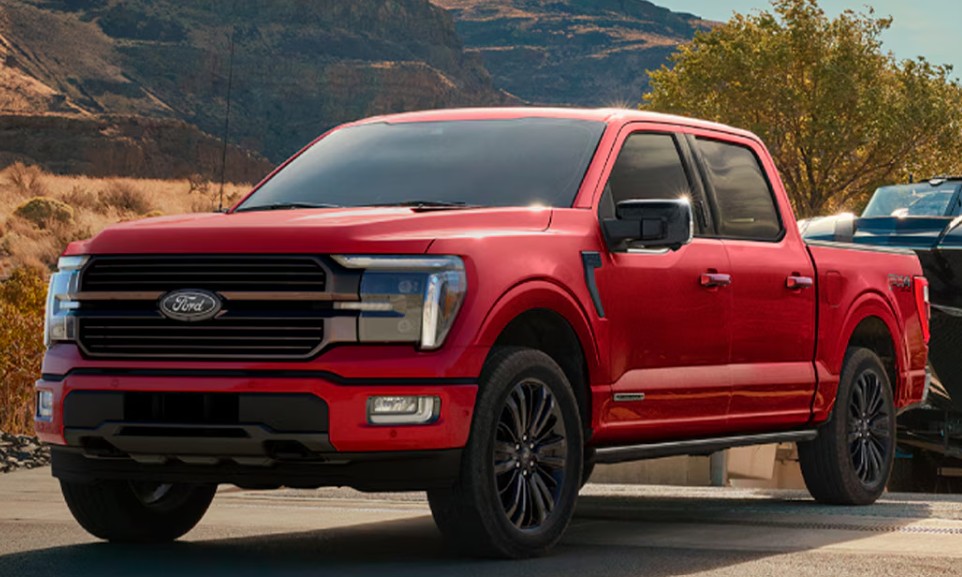
The regular Ford F-150 is the truck most people picture when they think of America’s pickup king. It can tow, haul, commute, work, road-trip, and still look sharp in the grocery store parking lot. The Ford F-150 Raptor, on the other hand, is the wild sibling. It takes the F-150 platform and turns the volume way up with serious off-road suspension, wider bodywork, aggressive tires, Baja-style attitude, and performance that feels more like a desert racer than a normal pickup.
So, which one should we actually choose? That depends on what we need from a truck. Are we pulling trailers, loading tools, and watching fuel costs? Or are we chasing sand, rocks, mud, trails, and weekend adrenaline?
Let’s break it down in a practical, honest, and slightly muddy way.
Ford F-150 vs Raptor: The Simple Difference
At its core, the regular Ford F-150 is a full-size pickup designed for broad use. It can be a basic work truck, a family hauler, a luxury cruiser, a towing machine, or a hybrid efficiency play. It gives us options—lots of them.
The Ford F-150 Raptor is technically part of the F-150 family, but it has a much more specific mission. It is built for high-speed off-road driving, rough terrain, desert trails, and performance driving where a normal pickup would start waving a white flag.
In Plain English
The F-150 is the better all-rounder.
The Raptor is the better off-road performance toy.
That does not mean the Raptor is impractical. It still has a bed, four doors, towing ability, and real truck usability. But compared with a regular F-150, it is wider, more expensive, thirstier, and less focused on payload or towing.
What Is the Regular Ford F-150?
The Ford F-150 is the bread-and-butter truck of the lineup. It is the one we buy when we need flexibility. It can be simple or fancy, affordable or luxurious, practical or powerful.
Depending on trim and configuration, the regular F-150 can be used for:
- Daily commuting
- Construction work
- Farm duties
- Family road trips
- Towing boats or campers
- Hauling furniture, tools, mulch, or equipment
- Light off-roading
- Business fleets
- Luxury cruising
That is the magic of the F-150. It is not one truck. It is more like a toolbox full of different trucks wearing the same badge.
What Is the Ford F-150 Raptor?
The Ford F-150 Raptor is the performance off-road version of the F-150. It is not just a regular F-150 with bigger tires and angry headlights. Ford gives it serious mechanical upgrades.
The Raptor usually brings:
- High-output engine tuning
- Standard four-wheel drive
- Wider track
- Performance off-road suspension
- FOX shocks
- Skid plates
- All-terrain tires
- Unique drive modes
- Aggressive exterior styling
- Special interior details
- More ground clearance
- Better approach and departure angles
In other words, the Raptor is what happens when the F-150 drinks espresso, joins a gym, and signs up for a desert race.
Ford F-150 vs Raptor Exterior Design
The F-150 Looks Familiar, Clean, and Flexible
A regular F-150 can look humble or premium depending on the trim. An XL work truck looks straightforward and practical. A Lariat or Platinum looks polished enough to park outside a nice restaurant without feeling out of place.
The regular F-150 has a more traditional pickup shape. It is handsome, but not always loud. We can choose different wheels, grilles, lighting packages, bed lengths, cab sizes, and appearance packages.
The Raptor Looks Like It Eats Gravel for Breakfast
The Raptor is not shy. It has a wider stance, flared fenders, bold grille design, chunky tires, and a more muscular body. It looks like it was designed to kick dust into the sunset.
That wide-body design is not only for style. It helps support the Raptor’s wider suspension setup and off-road stability. But here is the catch: the Raptor’s width can make city parking, tight garages, and narrow roads more annoying.
Quick Exterior Verdict
If we want something clean, practical, and easier to live with, the F-150 wins.
If we want something that turns heads and looks ready for a chase scene, the Raptor wins.
Ford F-150 vs Raptor Interior Comfort
Regular F-150 Interior: From Basic to Beautiful
The F-150 interior depends heavily on trim. A lower trim may feel durable and simple, while a higher trim can feel almost luxury-SUV-like. Ford has done a strong job making the F-150 cabin comfortable, spacious, and useful.
We can find features like:
- Large infotainment screens
- Digital gauge clusters
- Comfortable front seats
- Fold-flat work surfaces
- Smart storage areas
- Premium audio
- Leather upholstery on higher trims
- Advanced towing camera systems
- Driver-assistance technology
The regular F-150 is especially good if we want to tailor the truck to a budget. We do not have to pay for extreme off-road hardware if we mostly drive on pavement.
The Raptor cabin feels more special. It usually includes unique trim, sportier seats, Raptor branding, performance-focused graphics, and details that remind us this is not a normal pickup.
It is still roomy and comfortable, especially in SuperCrew form. But the vibe is different. The regular F-150 says, “Let’s get the job done.” The Raptor says, “Let’s get the job done after jumping a sand dune.”
Interior Verdict
For value and flexibility, the regular F-150 wins.
For personality and performance attitude, the Raptor wins.
Ford F-150 vs Raptor Engine Options
Here is where the comparison gets interesting.
Regular Ford F-150 Engine Choices
The standard F-150 lineup offers multiple engines depending on model year, trim, and package. These may include turbocharged V6 options, a V8, and a hybrid powertrain. That variety is one of the F-150’s biggest advantages.
A regular F-150 can be configured for:
- Better fuel economy
- Maximum towing
- Strong payload
- V8 feel
- Hybrid torque
- Lower starting cost
- Fleet use
This makes the regular F-150 a smarter pick for buyers who care about matching the truck to a specific job.
Ford F-150 Raptor Engine Personality
The Raptor is more focused. It is built around high-output performance. The standard Raptor uses a powerful high-output EcoBoost V6, while the Raptor R takes things into monster territory with a supercharged V8.
The Raptor does not give us the same broad engine menu as the regular F-150. Instead, it gives us engines chosen for speed, torque, and off-road excitement.
Engine Verdict
If we want choices, the F-150 wins.
If we want drama, speed, and performance energy, the Raptor wins.
Ford F-150 vs Raptor Performance on Pavement
A regular F-150 can be quick, smooth, and confident. With the right engine, it has plenty of punch for highway merging, towing, and everyday driving. It also feels more normal in traffic.
The Raptor is faster and more exciting, but it is not necessarily more relaxing. Its tires, width, suspension tuning, and off-road setup give it a different feel. It can be surprisingly comfortable, but it always reminds us that it is a performance off-road truck.
Daily Driving Feel
The regular F-150 is easier to live with every day. It is more predictable in tight spaces, often more efficient, and less expensive to maintain.
The Raptor is more fun. Every drive feels a little special. But that fun comes with trade-offs.
Pavement Verdict
For normal roads, commuting, errands, and long highway miles, the F-150 is the sensible winner.
For excitement, personality, and “I love driving this thing” energy, the Raptor wins.
Ford F-150 vs Raptor Off-Road Capability
This is Raptor territory. No surprise here.
Regular F-150 Off-Road Ability
A regular F-150 can be very capable off-road, especially with four-wheel drive, proper tires, skid plates, locking differentials, and packages like Tremor or FX4.
For most people, a well-equipped regular F-150 is enough for:
- Dirt roads
- Snow
- Muddy job sites
- Camping trails
- Hunting roads
- Light rock paths
- Gravel tracks
Raptor Off-Road Ability
The Raptor is in another league. It is designed for fast off-road driving, rough surfaces, and serious terrain. Its suspension travel, shock technology, tires, ground clearance, and drive modes make it feel alive where normal trucks start to feel nervous.
The Raptor is not just about crawling over obstacles. It is about moving quickly across rough ground with confidence. That is the real difference.
Off-Road Verdict
For light to moderate off-road use, the regular F-150 is enough.
For serious off-road fun, high-speed trails, dunes, desert terrain, and rugged adventures, the Raptor wins easily.
Ford F-150 vs Raptor Towing Capacity
This is where the regular F-150 punches back hard.
The regular F-150 is generally the better towing truck when properly configured. Ford designs the broader F-150 lineup to serve towing buyers, and certain configurations can tow more than the Raptor.
The Raptor can tow, but its off-road suspension, tires, and performance setup are not optimized for maximum trailer ratings. It is built to run fast over rough terrain, not necessarily to be the king of trailer duty.
Who Should Care Most About Towing?
The regular F-150 is the better choice if we tow:
- Large campers
- Boats
- Work trailers
- Car haulers
- Equipment trailers
- Frequent heavy loads
The Raptor works better if towing is occasional and moderate.
Towing Verdict
For serious towing, choose the regular F-150.
For occasional towing with off-road performance as the priority, the Raptor still works.
Ford F-150 vs Raptor Payload Capacity
Payload is the weight we can carry in the truck, including passengers, cargo, tools, gear, and tongue weight from a trailer.
The regular F-150 typically has the advantage here. Because the F-150 lineup includes work-focused configurations, it can be set up for stronger payload numbers.
The Raptor’s specialized suspension and off-road hardware reduce its payload practicality compared with certain regular F-150 models. It can still carry gear, but it is not the best version if the job is hauling heavy materials every week.
Payload Verdict
For hauling tools, materials, or heavy bed loads, the regular F-150 is better.
For carrying camping gear, bikes, coolers, recovery boards, and adventure equipment, the Raptor is plenty capable.
Ford F-150 vs Raptor Fuel Economy
Let’s be real. Neither truck is a tiny economy car sipping fuel through a straw. But the regular F-150 gives us more efficient choices.
The regular F-150 can be configured with engines that make more sense for daily driving and long-distance use. The hybrid option can be especially appealing for buyers who want torque, utility, and improved efficiency.
The Raptor is performance-focused. Bigger tires, more aggressive aerodynamics, added weight, four-wheel drive hardware, and powerful engines all affect fuel consumption.
Fuel Economy Verdict
If fuel cost matters, the regular F-150 wins.
If smiles per gallon matter more than miles per gallon, the Raptor starts making sense.
Ford F-150 vs Raptor Ride Quality
This one is not as obvious as people think.
A regular F-150 can ride very comfortably, especially in higher trims. It feels stable, smooth, and refined for a full-size truck. It is also easier to maneuver because it is not as wide as the Raptor.
The Raptor has long-travel suspension and high-end shocks, which can make it feel surprisingly plush over broken pavement, potholes, and rough roads. It can float over bad surfaces like a boat over small waves.
However, the Raptor’s tires and off-road setup may create more road noise and a different steering feel. Some people love it. Others may find it too much for daily use.
Ride Comfort Verdict
For quiet, normal comfort, the F-150 wins.
For soaking up rough roads with off-road swagger, the Raptor wins.
Ford F-150 vs Raptor Technology
Both trucks can offer modern technology, but the regular F-150 gives us more trim flexibility. We can choose a simpler setup or go all-in with premium features.
Available technology may include:
- Large touchscreen infotainment
- Smartphone integration
- Digital driver display
- Trailer backup assistance
- 360-degree cameras
- Driver-assistance features
- Premium sound systems
- Over-the-air updates
- Pro Power Onboard on selected models
The Raptor adds performance-related displays, off-road modes, and specialized controls that match its mission.
Technology Verdict
For work and towing tech, the F-150 is excellent.
For off-road performance tech, the Raptor feels more exciting.
Ford F-150 vs Raptor Price
The regular F-150 has a major advantage in price. Because it comes in many trims, we can start with a basic work truck and climb all the way to luxury models.
The Raptor starts much higher. It is a specialty performance truck, and the Raptor R goes even further into premium territory.
Cost Difference in Real Life
The price difference is not only about the window sticker. We should also think about:
- Insurance
- Fuel
- Tires
- Maintenance
- Replacement parts
- Depreciation
- Financing costs
- Off-road repair risk
A Raptor may hold value well because it is desirable, but it still costs more to buy and run.
Price Verdict
For budget and value, the regular F-150 wins.
For performance-per-dollar in the off-road world, the Raptor can still be compelling.
Ford F-150 vs Raptor Maintenance Costs
A regular F-150 will usually be easier and cheaper to maintain, especially if we choose a common engine and configuration. Tires, brakes, suspension parts, and general service may cost less than Raptor-specific components.
The Raptor has specialized hardware. Big all-terrain tires are not cheap. Performance shocks can cost more. If we actually use it hard off-road, wear and tear can climb quickly.
That does not mean the Raptor is fragile. It is built tough. But specialized toys usually bring specialized bills.
Maintenance Verdict
For lower running costs, choose the regular F-150.
For performance ownership and off-road capability, accept that the Raptor costs more.
Ford F-150 vs Raptor Reliability Expectations
Both trucks come from the same F-Series family, but reliability can depend heavily on engine choice, maintenance, driving style, and how the truck is used.
A regular F-150 used gently on highways may have an easier life than a Raptor launched across trails every weekend. On the other hand, a neglected work F-150 that tows heavy every day can suffer too.
The best reliability strategy is simple:
- Follow service intervals
- Use quality fluids
- Check tires and brakes often
- Avoid ignoring warning lights
- Inspect suspension components
- Do not overload the truck
- Be realistic about how hard the truck is being used
Reliability Verdict
The regular F-150 has the edge for simple daily durability and lower stress.
The Raptor is durable, but hard off-road use can increase wear.
Ford F-150 vs Raptor for Work
If we are buying a truck for business, job sites, towing, hauling, and practical use, the regular F-150 is usually the smarter buy.
Why? Because we can configure it exactly for the job. Need a lower-cost fleet truck? There is an F-150 for that. Need towing strength? There is an F-150 for that. Need a comfortable office on wheels? There is an F-150 for that too.
The Raptor can work, but it is not the most rational work truck. Its expensive off-road hardware is overkill for most job sites.
Work Verdict
For work, buy the regular F-150.
Unless your job site is the Baja desert, the Raptor is probably more fun than necessary.
Ford F-150 vs Raptor for Families
Both trucks can work well for families, especially in crew cab form. They offer spacious rear seats, strong safety technology, and enough room for kids, luggage, sports gear, and weekend chaos.
The regular F-150 is easier to recommend for families because it can be more affordable, more efficient, and easier to park.
The Raptor is great for adventurous families, but its width and cost may become annoying in normal suburban life.
Family Verdict
For practical family use, the F-150 wins.
For adventure-loving families who want something special, the Raptor wins the heart.
Ford F-150 vs Raptor for Off-Road Adventures
Here is where the Raptor starts grinning.
If our weekends include dunes, rocky tracks, forest trails, desert routes, or serious camping destinations, the Raptor makes more sense. It is built to handle punishment and keep moving with confidence.
A regular F-150 can still be a fantastic adventure truck. Add four-wheel drive, good tires, recovery gear, and the right package, and it will take us many places.
But the Raptor feels purpose-built. It is not pretending.
Adventure Verdict
For casual adventure, the F-150 is enough.
For serious adventure, the Raptor is the dream machine.
Ford F-150 vs Raptor: Pros and Cons
Regular Ford F-150 Pros
- More affordable starting price
- More trim and engine choices
- Better towing potential
- Better payload potential
- More efficient configurations
- Easier to park and maneuver
- Better for work use
- More practical for most buyers
Regular Ford F-150 Cons
- Less exciting than the Raptor
- Off-road ability depends on configuration
- Lower trims can feel basic
- Does not have the same special presence
Ford F-150 Raptor Pros
- Outstanding off-road capability
- Powerful engine options
- Aggressive design
- Special interior feel
- Excellent rough-road ride
- Strong enthusiast appeal
- High fun factor
- Great resale desirability
Ford F-150 Raptor Cons
- Expensive to buy
- Higher running costs
- Lower towing and payload focus
- Wider and harder to park
- Fuel economy is not its strong suit
- Overkill for many drivers
Ford F-150 vs Raptor Comparison Table
| Category | Ford F-150 | Ford F-150 Raptor |
|---|---|---|
| Best For | Work, towing, daily use, value | Off-road performance, adventure, excitement |
| Engine Choices | More variety | Performance-focused options |
| Towing | Usually better when properly equipped | Capable, but not towing-focused |
| Payload | Usually better | Lower due to off-road setup |
| Off-Road Ability | Good with right package | Excellent |
| Fuel Economy | Better options available | Thirstier |
| Price | Lower starting point | Much more expensive |
| Daily Driving | Easier and more practical | More exciting but wider |
| Maintenance | Generally cheaper | Generally more expensive |
| Personality | Practical and flexible | Bold and aggressive |
Which Truck Should We Buy?
Buy the Ford F-150 If…
We should choose the regular F-150 if we want a truck that makes sense every day. It is the better option for towing, hauling, commuting, family use, business needs, and long-term value.
The F-150 is ideal if we care about:
- Practicality
- Lower cost
- Better fuel options
- Maximum towing
- Strong payload
- Trim flexibility
- Everyday comfort
- Work capability
In simple terms, the regular F-150 is the smarter truck for most people.
Buy the Ford F-150 Raptor If…
We should choose the Raptor if we want more than a truck. We want an experience. We want something that makes rough roads feel like playgrounds. We want the sound, the stance, the suspension, the attitude, and the feeling that every drive could turn into an adventure.
The Raptor is ideal if we care about:
- Serious off-road performance
- High-speed trail driving
- Aggressive styling
- Unique ownership experience
- Powerful engines
- Weekend adventure
- Enthusiast appeal
- Emotional satisfaction
The Raptor is not the most practical F-150. But it may be the most exciting.
The Honest Bottom Line
The Ford F-150 vs Raptor decision is not really about which truck is “better.” It is about which truck is better for us.
The regular Ford F-150 is the one we choose with our head. It is practical, customizable, capable, and easier to justify. It works hard, behaves well, and fits into normal life without demanding too much.
The Ford F-150 Raptor is the one we choose with our heart. It is louder, wider, faster, tougher-looking, and far more exciting when the pavement ends. It is not trying to be the most sensible truck in the parking lot. It is trying to be the one we keep looking back at after we lock it.
So, if we need a truck for work, towing, family life, and daily comfort, the regular F-150 is the winner.
If we want a truck that feels like a desert racer with license plates, the Raptor is the one.
Either way, we are still in the F-150 family. The real question is whether we want the dependable workhorse or the wild horse.
Conclusion: Ford F-150 vs Raptor
When we compare the Ford F-150 vs Raptor, the regular F-150 stands out as the better all-around pickup. It is more flexible, more affordable, better for towing, better for payload, and easier to live with day after day.
The Raptor, however, wins where emotion matters. It is the off-road hero, the weekend warrior, the truck that turns dirt roads into invitations. It costs more and asks for compromises, but it gives back with character, capability, and serious grin factor.
For most buyers, the regular F-150 is the smart choice.
For the right buyer, the Raptor is the unforgettable choice.
FAQs About Ford F-150 vs Raptor
1. Is the Ford Raptor the same as an F-150?
Yes, the Ford Raptor is part of the F-150 lineup, but it is a specialized high-performance off-road version. It has unique suspension, wider bodywork, stronger off-road hardware, and more aggressive styling than a regular F-150.
2. Is the F-150 better than the Raptor for towing?
In most cases, yes. A properly equipped regular F-150 is usually better for maximum towing because it is designed with more towing-focused configurations. The Raptor can tow, but it is built mainly for off-road performance.
3. Is the Ford Raptor good for daily driving?
Yes, the Raptor can be a comfortable daily driver, especially if we enjoy a bold, powerful truck. However, it is wider, more expensive, and usually less fuel-efficient than a regular F-150, so it may not be the most practical daily choice.
4. Why is the Ford Raptor more expensive than the F-150?
The Raptor costs more because it includes specialized off-road suspension, performance hardware, unique bodywork, powerful engines, upgraded tires, advanced shocks, and exclusive design features. It is a performance truck, not just a trim package.
5. Should I buy an F-150 Tremor instead of a Raptor?
The F-150 Tremor can be a smart middle ground. It offers more off-road capability than many regular F-150 trims but usually costs less than a Raptor. If we want strong trail ability without going full desert-racer, the Tremor is worth considering.
If you want to see other articles similar to Ford F-150 vs Raptor: Which Truck Really Fits Your Life? you can visit the Compare category.
Ford Bronco Pros and Cons: Complete Buyer’s Guide
2026 Ford Bronco Towing: Capacity, Equipment, and Real-World Limits
Ford Bronco Gas Tank Size: 2026 U.S. Guide
2026 Ford Bronco Big Bend vs Outer Banks: Features and Differences Explained
2026 Ford Bronco Trim Levels in Order: Complete U.S. Guide
Ford Bronco Models Explained for U.S. Buyers
Leave a Reply
Related Topics