

Ford F-150 Hauling Capacity: The Complete Guide to Payload, Performance, and Real-World Capability

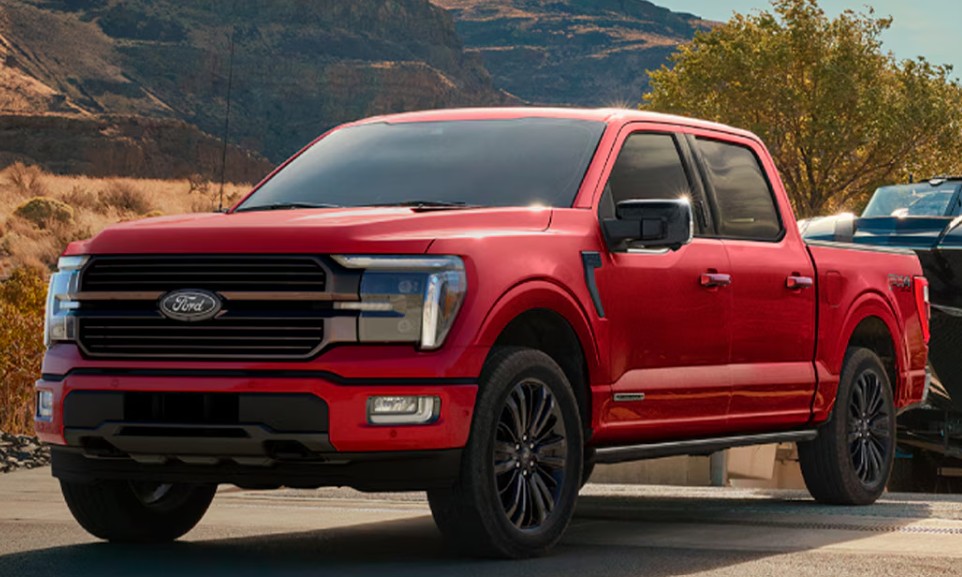
Contents in this publication
- What Is Ford F-150 Hauling Capacity?
- Hauling Capacity vs Towing Capacity
- Maximum Ford F-150 Hauling Capacity
- Factors That Affect Ford F-150 Hauling Capacity
- Ford F-150 Engine Options and Payload Capacity
- Understanding Payload Stickers
- How Payload Is Calculated
- Real-World Hauling Examples
- Ford F-150 Bed Capacity and Cargo Management
- Common Hauling Mistakes to Avoid
- How Trim Levels Affect Hauling Capacity
- Best Ford F-150 Configurations for Maximum Hauling
- Hauling Safety Tips
- Suspension and Hauling Performance
- Can You Increase Ford F-150 Hauling Capacity?
- Ford F-150 Hauling Capacity by Model Year
- Choosing the Right F-150 for Your Hauling Needs
- The Future of Ford F-150 Hauling Capability
- Conclusion
- Frequently Asked Questions
The Ford F-150 has earned its reputation as one of the most capable pickup trucks on the road. Whether we use it for work, recreation, construction projects, or hauling equipment across the country, the F-150 continues to set the benchmark for full-size truck capability. But when people talk about truck strength, towing often steals the spotlight. What many owners overlook is the equally important concept of hauling capacity.
Understanding Ford F-150 hauling capacity can help us avoid overloading the truck, improve safety, maximize performance, and protect our investment for years to come. In this comprehensive guide, we'll explore everything we need to know about payload ratings, how hauling capacity differs from towing capacity, factors that influence payload, and how to choose the right F-150 configuration for our needs.
What Is Ford F-150 Hauling Capacity?
Hauling capacity refers to the maximum weight a Ford F-150 can safely carry in its bed and cabin. This includes:
- Cargo in the truck bed
- Passengers
- Tools and equipment
- Fuel and accessories
- Aftermarket modifications
- Trailer tongue weight
In simple terms, hauling capacity is also known as payload capacity.
Think of payload as the truck's backpack. The stronger the backpack, the more weight it can carry without strain.
Hauling Capacity vs Towing Capacity
Understanding the Difference
Many people mistakenly use hauling capacity and towing capacity interchangeably. However, they are entirely different measurements.
| Specification | Definition |
|---|---|
| Hauling Capacity | Weight carried inside the truck |
| Towing Capacity | Weight pulled behind the truck |
For example:
- A truck carrying 1,800 pounds of gravel in the bed is using payload capacity.
- A truck pulling a 10,000-pound trailer is using towing capacity.
Both ratings matter, but payload often becomes the limiting factor before towing capacity does.
Why Payload Matters More Than Most Drivers Think
Imagine towing a travel trailer. The trailer's tongue weight presses down on the hitch. That tongue weight counts against payload.
This means a truck may be capable of towing 12,000 pounds, but payload limitations could prevent us from safely reaching that figure.
Maximum Ford F-150 Hauling Capacity
The Highest Payload Rating Available
Depending on configuration, engine choice, drivetrain, cab style, and bed length, the Ford F-150 can achieve a maximum payload capacity of approximately 2,400 to 2,500 pounds.
The exact figure varies by model year and configuration.
This means the truck can potentially carry:
- Construction materials
- Heavy landscaping supplies
- Motorcycles
- ATVs
- Furniture
- Commercial equipment
The F-150 transforms from a simple pickup into a mobile workhorse.
Factors That Affect Ford F-150 Hauling Capacity
Not all F-150 models are created equal.
Several factors influence payload capability.
Cab Configuration
The size of the cab affects vehicle weight.
Regular Cab
The lightest configuration.
Benefits:
- Higher payload ratings
- Lower curb weight
- Maximum cargo capability
SuperCab
Offers a balance between passenger space and hauling capability.
SuperCrew
Provides the most passenger room but often lowers payload capacity due to increased vehicle weight.
Bed Length
Ford offers different bed lengths.
Common options include:
- 5.5-foot bed
- 6.5-foot bed
- 8-foot bed
Longer beds may improve utility but also influence overall vehicle weight and payload ratings.
Engine Selection
The engine we choose impacts payload.
Some engines weigh more than others, reducing available payload.
Ford F-150 Engine Options and Payload Capacity
2.7L EcoBoost V6
The 2.7-liter EcoBoost is surprisingly capable.
Benefits include:
- Strong torque
- Excellent fuel economy
- Competitive payload ratings
This engine works well for everyday hauling and moderate commercial use.
3.5L EcoBoost V6
The 3.5-liter EcoBoost is one of the most powerful options.
Advantages:
- Outstanding torque
- Exceptional towing performance
- Strong payload capability
Many contractors prefer this engine due to its versatility.
5.0L V8
The legendary V8 remains popular among truck enthusiasts.
Key strengths include:
- Traditional V8 reliability
- Strong hauling capability
- Excellent sound and driving feel
For many drivers, it offers the ideal blend of power and practicality.
PowerBoost Hybrid
Ford's hybrid powertrain combines efficiency with strength.
Benefits:
- Impressive torque
- Excellent fuel savings
- Useful onboard power generation
The hybrid system proves that efficiency and capability can coexist.
Understanding Payload Stickers
Where to Find Payload Information
Every F-150 includes a payload sticker inside the driver's door jamb.
This sticker provides the most accurate payload rating for that specific truck.
Why Door Stickers Matter
Generic specifications found online may differ from actual vehicle ratings.
The door sticker accounts for:
- Installed options
- Engine choice
- Trim level
- Factory equipment
Always trust the door sticker over internet estimates.
How Payload Is Calculated
The Formula
Payload capacity is determined using a straightforward calculation:
Gross Vehicle Weight Rating (GVWR) – Curb Weight = Payload Capacity
For example:
- GVWR: 7,100 lbs
- Curb Weight: 4,800 lbs
Payload Capacity:
7,100 – 4,800 = 2,300 lbs
This figure represents the maximum combined weight of passengers and cargo.
Real-World Hauling Examples
Landscaping Business
A landscaping crew might load:
- Lawn mowers
- Trimmers
- Fuel cans
- Fertilizer
- Crew members
Combined weight can quickly approach payload limits.
Construction Site Use
Contractors often transport:
- Lumber
- Cement bags
- Generators
- Power tools
A properly configured F-150 handles these tasks with confidence.
Weekend Recreation
Outdoor enthusiasts frequently carry:
- Camping equipment
- Dirt bikes
- ATVs
- Coolers
- Sports gear
Payload capacity becomes crucial during family adventures.
Ford F-150 Bed Capacity and Cargo Management
Making the Most of the Truck Bed
The F-150 bed is designed for productivity.
Useful features include:
- Tie-down points
- Bed lighting
- Tailgate work surface
- Bed liners
- Cargo management systems
These features help secure loads safely.
Weight Distribution Matters
Even if we stay under payload limits, improper weight distribution can create problems.
Best practices:
- Place heavier items near the cab
- Secure cargo properly
- Avoid uneven loading
- Use quality tie-down straps
Balanced loads improve handling and stability.
Common Hauling Mistakes to Avoid
Ignoring Passenger Weight
Passengers count toward payload.
Four adults can easily consume 600 to 800 pounds of available capacity.
Forgetting Accessories
Popular accessories add weight:
- Running boards
- Toolboxes
- Bed covers
- Lift kits
- Larger tires
These modifications reduce available payload.
Exceeding Axle Ratings
Payload isn't the only limitation.
Axle ratings also matter.
Overloading a rear axle can create safety concerns even when total payload remains within limits.
How Trim Levels Affect Hauling Capacity
Work-Oriented Trims
Models such as XL generally offer higher payload ratings because they contain fewer luxury features.
Luxury Trims
Higher trims often include:
- Leather seating
- Panoramic roofs
- Advanced electronics
- Additional sound insulation
These features increase curb weight and reduce payload capacity.
Best Ford F-150 Configurations for Maximum Hauling
Regular Cab Long Bed
Ideal for:
- Commercial fleets
- Contractors
- Construction crews
This setup typically delivers the highest payload figures.
SuperCab Configuration
A practical compromise.
Benefits include:
- Additional seating
- Strong payload ratings
- Good maneuverability
SuperCrew Models
Best for:
- Families
- Road trips
- Daily commuting
While payload may decrease slightly, comfort increases significantly.
Hauling Safety Tips
Perform Pre-Trip Inspections
Before loading:
- Check tire pressure
- Inspect suspension
- Verify lighting
- Confirm cargo security
Drive Differently When Loaded
A heavily loaded truck behaves differently.
Expect:
- Longer braking distances
- Slower acceleration
- Increased body roll
Smooth driving improves safety.
Monitor Tire Ratings
Tires must support the load.
Under-rated tires can become a weak link in the system.
Always verify load indexes before carrying heavy cargo.
Suspension and Hauling Performance
Why Suspension Matters
The F-150 suspension helps support payload and maintain stability.
Components include:
- Springs
- Shocks
- Control arms
- Axles
A healthy suspension improves comfort and safety.
Signs of Suspension Stress
Watch for:
- Excessive sagging
- Uneven tire wear
- Poor handling
- Bottoming out
These symptoms may indicate overload conditions.
Can You Increase Ford F-150 Hauling Capacity?
The Short Answer
Not legally.
Payload ratings are established by the manufacturer.
What Upgrades Can Do
Certain modifications may improve handling:
- Air springs
- Heavy-duty shocks
- Helper springs
However, these upgrades do not increase the official payload rating.
The truck remains bound by its factory specifications.
Ford F-150 Hauling Capacity by Model Year
Modern F-150 Trucks
Recent generations consistently offer payload ratings ranging from approximately 1,500 to over 2,400 pounds depending on configuration.
Older Models
Earlier F-150 generations generally provided lower payload ratings, although many remain capable work trucks today.
Always verify specifications for the exact model year.
Choosing the Right F-150 for Your Hauling Needs
Questions to Ask Yourself
Before purchasing, consider:
- What type of cargo will we carry?
- How many passengers travel regularly?
- Do we tow trailers frequently?
- Will the truck be used commercially?
- Are aftermarket accessories planned?
Answering these questions helps narrow the ideal configuration.
Matching Capability to Lifestyle
A contractor's needs differ dramatically from those of a weekend camper.
Selecting the correct truck ensures:
- Better performance
- Improved safety
- Greater long-term satisfaction
The Future of Ford F-150 Hauling Capability
Truck technology continues to evolve.
Modern F-150 models feature:
- Advanced driver assistance systems
- Smart payload monitoring
- Improved frame strength
- Lightweight aluminum construction
- Hybrid technology
These innovations allow Ford to deliver greater capability without sacrificing efficiency.
Conclusion
The Ford F-150 remains one of the most capable full-size pickup trucks available, and its hauling capacity plays a major role in that reputation. While towing numbers often grab headlines, payload capacity determines how much weight the truck can actually carry in daily use.
By understanding payload ratings, checking door-sticker specifications, accounting for passengers and accessories, and choosing the right configuration, we can maximize safety and performance. Whether hauling construction materials, landscaping equipment, recreational gear, or everyday cargo, the F-150 offers a combination of strength, versatility, and dependability that few trucks can match.
Ultimately, the best Ford F-150 is not necessarily the one with the highest payload rating—it is the one that perfectly matches our real-world needs.
Frequently Asked Questions
1. What is the maximum Ford F-150 hauling capacity?
Depending on configuration, the Ford F-150 can provide approximately 2,400 to 2,500 pounds of maximum payload capacity.
2. Is hauling capacity the same as towing capacity?
No. Hauling capacity refers to weight carried inside the truck, while towing capacity refers to weight pulled behind the truck.
3. Where can I find my F-150's payload rating?
Check the driver's side door-jamb sticker for the exact payload capacity of your specific truck.
4. Do passengers count toward payload capacity?
Yes. Passengers, cargo, accessories, and trailer tongue weight all count toward payload capacity.
5. Can suspension upgrades increase official payload ratings?
No. Suspension modifications may improve handling but do not increase the manufacturer's official payload rating.
If you want to see other articles similar to Ford F-150 Hauling Capacity: The Complete Guide to Payload, Performance, and Real-World Capability you can visit the Compare category.
Ford Bronco Pros and Cons: Complete Buyer’s Guide
2026 Ford Bronco Towing: Capacity, Equipment, and Real-World Limits
Ford Bronco Gas Tank Size: 2026 U.S. Guide
2026 Ford Bronco Big Bend vs Outer Banks: Features and Differences Explained
2026 Ford Bronco Trim Levels in Order: Complete U.S. Guide
Ford Bronco Models Explained for U.S. Buyers
Leave a Reply
Related Topics