
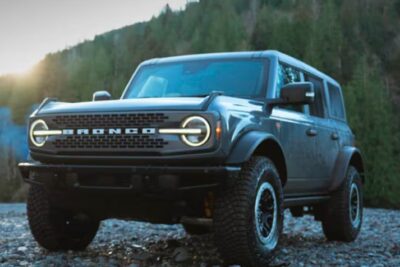
Ford Bronco Pros and Cons: Complete Buyer’s Guide

Contents in this publication
- Ford Bronco Pros and Cons at a Glance
- A Brief History of the Ford Bronco
- Pro: Authentic Off-Road Capability
- Pro: Iconic and Distinctive Styling
- Pro: Open-Air Driving Experience
- Pro: Huge Range of Personalization Options
- Pro: Strong Engines Across Several Generations
- Pro: Better On-Road Manners Than Expected
- Pro: Useful Two-Door and Four-Door Choices
- Con: Fuel Economy Is a Persistent Weakness
- Con: Wind Noise and Road Noise
- Con: Classic Broncos Can Hide Expensive Problems
- Con: Older Generations Feel Crude by Modern Standards
- Con: Modern Broncos Can Become Very Expensive
- Con: Rear-Seat and Cargo Practicality Varies
- Con: Safety Is Not Uniform Across Model Years
- Con: Recalls and Early-Production Issues Require Research
- How the Pros and Cons Change by Generation
- Is the Ford Bronco Reliable?
- Ford Bronco Versus a Conventional SUV
- Who Should Buy a Ford Bronco?
- Who Should Avoid a Ford Bronco?
- How to Choose the Best Ford Bronco Generation
- Best Buying Strategy for a Used Ford Bronco
- Final Verdict: Is the Ford Bronco Worth Buying?
- Frequently Asked Questions
The Ford Bronco is not a quiet, sensible SUV that tries to disappear into suburban traffic. It arrives like a hiking boot at a business meeting—rugged, unapologetic, and clearly built with different priorities.
Since the original Bronco appeared for the 1966 model year, Ford has repeatedly reshaped the vehicle. Early Broncos were compact and simple. Later versions grew into truck-based, full-size two-door SUVs. After production ended in 1996, the nameplate remained absent for more than two decades before returning for the 2021 model year as a purpose-built rival to the Jeep Wrangler.
That long and varied history means there is no single answer to whether a Ford Bronco is good or bad. A restored 1972 Bronco, a 1994 Eddie Bauer model, and a modern four-door Badlands may share a badge, but they deliver radically different ownership experiences.
In this guide, we will examine the major Ford Bronco pros and cons across all model years. We will look at capability, comfort, reliability, fuel use, safety, practicality, ownership costs, and long-term value so buyers can decide which generation—if any—belongs in their driveway.
Ford Bronco Pros and Cons at a Glance
Before we explore each generation, here is the basic argument for and against buying a Bronco.
Main Ford Bronco Pros
- Excellent off-road potential
- Distinctive styling and strong road presence
- Removable-roof fun on many models
- Broad aftermarket support
- Strong enthusiast community
- Useful four-wheel-drive systems
- High collector appeal for classic examples
- Modern models offer advanced trail technology
- Multiple body styles and configurations
- More personality than a conventional crossover
Main Ford Bronco Cons
- Poor or mediocre fuel economy
- Considerable wind and tire noise
- Expensive options and trim packages
- Awkward access in some two-door models
- Older examples may hide rust or restoration problems
- Truck-like handling in earlier generations
- Complex modern electronics and removable body panels
- Mixed safety performance depending on model year
- High prices for desirable classic Broncos
- More capability than many owners actually need
The Bronco is therefore a specialist rather than an automatic recommendation. It can be brilliant for the right driver and unnecessarily compromised for someone who mainly wants a peaceful commuter.
A Brief History of the Ford Bronco
Understanding the Bronco’s evolution helps us judge its strengths fairly. Ford has produced six recognized generations of the full-size Bronco nameplate.
First Generation: 1966–1977
The original Bronco was a relatively compact, body-on-frame 4x4 designed to combine off-road mobility with everyday usefulness. It was offered in wagon, pickup, and roadster configurations during its early years. Ford emphasizes that maneuverability, stability, and all-purpose capability were central to the first generation’s identity.
Second Generation: 1978–1979
For 1978, the Bronco grew substantially and began sharing more of its platform and components with Ford’s F-Series trucks. It became roomier, more powerful, and more luxurious while retaining serious four-wheel-drive hardware. This generation lasted only two model years, making good surviving examples especially interesting to enthusiasts.
Third Generation: 1980–1986
The third-generation Bronco became lighter and more aerodynamic. Ford introduced its Twin-Traction Beam independent front suspension, reduced weight, expanded interior choices, and gradually incorporated features such as overdrive automatic transmissions and electronic fuel injection.
Fourth Generation: 1987–1991
The fourth generation adopted smoother, more aerodynamic exterior styling than its square-edged predecessor. It remained closely related to the F-Series and continued moving toward greater daily comfort without abandoning its rugged truck foundation.
Fifth Generation: 1992–1996
The final 20th-century Bronco featured cleaner styling, a roomier full-size layout, and increasingly modern safety and comfort equipment. Enthusiasts commonly refer to this generation as the “OBS,” or Original Body Style, Bronco. Production ended after the 1996 model year.
Sixth Generation: 2021–Present
The reborn Bronco returned for 2021 with two-door and four-door bodies, removable doors, removable roof panels, modern turbocharged engines, and an extensive menu of off-road systems. It is a distinct vehicle from the smaller Bronco Sport crossover, which also debuted for the 2021 model year.
Pro: Authentic Off-Road Capability
The Bronco’s biggest advantage is not a clever touchscreen or a fashionable badge. It is the ability to travel beyond the edge of ordinary pavement.
Nearly every generation has used a body-on-frame structure and a truck-oriented four-wheel-drive system. Classic models offer mechanical simplicity, good ground clearance, and relatively compact overhangs. Later full-size generations combine robust axles, low-range gearing, and torquey engines.
The current Bronco takes this formula much further. Depending on trim and equipment, buyers can find locking differentials, advanced transfer cases, terrain-management modes, large all-terrain tires, upgraded suspension components, steel protection, and technology designed to assist with tight trails.
That capability gives the Bronco a sense of honesty. Many SUVs dress like explorers but behave like tall hatchbacks. The Bronco, especially in properly equipped form, can back up its appearance.
Why This Matters to Buyers
A capable 4x4 can be valuable for:
- Rocky trails
- Deep snow
- Muddy access roads
- Remote camping
- Beach driving where permitted
- Rural property use
- Overlanding
- Severe-weather travel
However, buyers should be realistic. If the most difficult obstacle in our weekly routine is a shopping-centre speed bump, paying for extreme off-road equipment may be like buying climbing gear to walk upstairs.
Pro: Iconic and Distinctive Styling
Few modern SUVs are instantly recognizable from a distance. The Bronco is one of them.
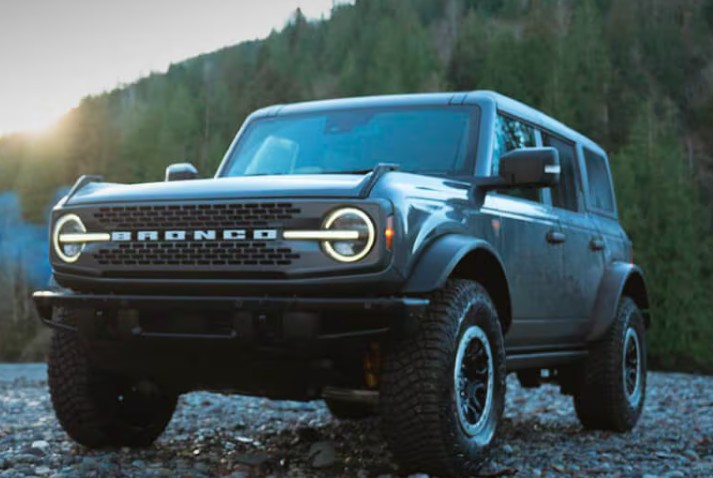
Early models have compact dimensions, round headlights, upright glass, and clean body lines. The 1978–1996 full-size Broncos look tougher and more substantial, often wearing two-tone paint, external spare tires, and broad truck-based bodywork. The sixth generation reinterprets the original model with circular lighting, flat body surfaces, exposed hardware, and a boxy silhouette.
The result is an SUV with genuine visual identity. It does not need an oversized emblem to explain what it is.
This styling strength also supports resale appeal. Classic first-generation Broncos have become highly desirable collector vehicles, while clean later full-size models are increasingly appreciated by younger enthusiasts. Modern Broncos likewise benefit from a design that feels deliberate rather than generic.
Pro: Open-Air Driving Experience
Many Broncos allow owners to remove part or all of the roof. The modern model also offers removable doors, giving it an open-air character that ordinary SUVs cannot match.
This changes the experience completely. A forest road feels more vivid. A coastal drive becomes an event rather than a commute. Even a slow trip through town can feel like a miniature holiday.
Classic Broncos can deliver similar charm, although older removable tops may be heavy, difficult to store, or prone to aged seals. On later full-size models, removing the rear roof section is not always a quick one-person job.
Modern removable panels are more convenient, but they introduce compromises. Extra joints and seals create more opportunities for wind noise, water leaks, squeaks, and alignment issues than a permanently welded steel roof.
Open-air flexibility is therefore both a benefit and a source of potential irritation.
Pro: Huge Range of Personalization Options
The Bronco has one of the strongest modification cultures in the SUV world.
Owners can choose from:
- Suspension lifts
- Wheels and tires
- Steel bumpers
- Winches
- Rock sliders
- Roof racks
- Lighting systems
- Cargo organizers
- Tents and camping accessories
- Fender flares
- Recovery equipment
- Interior storage solutions
- Performance upgrades
- Retro appearance packages
Classic models benefit from decades of parts support, while the sixth-generation Bronco was clearly engineered with customization in mind.
This can make ownership rewarding because the vehicle evolves with our interests. A stock Bronco may begin as a weekend vehicle and gradually become a camping, trail, or expedition machine.
Not every upgrade improves the vehicle.
Oversized tires can increase noise, reduce fuel economy, affect gearing, strain suspension components, and worsen braking. Poorly designed lift kits may compromise steering geometry. Cheap electrical accessories can produce reliability problems that owners mistakenly blame on the vehicle itself.
When buying used, a largely stock Bronco with complete maintenance records may be safer than a dramatic-looking example covered in unknown aftermarket parts.
Pro: Strong Engines Across Several Generations
Broncos have used a wide variety of engines, from simple inline-sixes to large-displacement V8s and modern turbocharged units.
Classic inline-six engines are admired for their straightforward design and relaxed character. Traditional V8 Broncos deliver the sound and low-speed torque many enthusiasts expect from an American 4x4. Modern EcoBoost engines provide significantly more output from smaller displacement, helping the latest Bronco feel energetic despite its weight and large tires.
Performance varies greatly by year, axle ratio, transmission, tire size, and condition. An early Bronco may feel slow by modern standards, while a current high-performance version can accelerate with surprising urgency.
The broader advantage is choice. Buyers can select a simple vintage powertrain, a traditional full-size V8, or a modern turbocharged configuration according to their priorities.
Pro: Better On-Road Manners Than Expected
A serious off-road SUV does not normally glide like a luxury crossover, yet some Bronco generations drive better on pavement than their appearance suggests.
Ford’s Twin-Traction Beam front suspension, introduced for the third generation, was intended to improve ride comfort while preserving useful ground clearance.
The current Bronco uses independent front suspension rather than the solid front axle found in its most direct rival. This generally contributes to more composed steering and better control over broken pavement.
We should still keep expectations sensible. Large tires, upright bodywork, high ground clearance, and off-road suspension tuning create unavoidable movement. A Bronco may wander slightly, react to crosswinds, or feel less settled than a unibody family SUV.
Nevertheless, drivers who need real trail capability may find its road behavior surprisingly manageable.
Pro: Useful Two-Door and Four-Door Choices
The modern Bronco offers two distinct personalities.
The two-door model is the purist’s choice. It has compact proportions, a shorter wheelbase, distinctive styling, and better maneuverability on narrow trails. It also feels more connected to classic Bronco design.
The four-door version provides easier rear-seat access, more passenger room, and a more useful cargo area. For families, dogs, luggage, or longer trips, it is usually the practical answer.
Older Broncos were predominantly two-door vehicles, which is part of their charm but also one of their biggest daily-use limitations. The availability of a four-door modern Bronco dramatically broadens the vehicle’s audience.
Con: Fuel Economy Is a Persistent Weakness
Fuel efficiency has rarely been a Bronco strength.
Classic models combine old engine technology, heavy construction, short gearing, and poor aerodynamics. Full-size V8 examples can consume fuel at an alarming rate, particularly when equipped with carburetors, automatic transmissions, large tires, or modified suspension.
The third generation reduced weight by approximately 500 pounds and introduced changes aimed at improved efficiency, including a six-cylinder option, overdrive transmissions, and fuel injection. Even so, it remained a large, truck-based SUV.
Modern turbocharging improves power density, but it cannot repeal physics. The current Bronco is tall, heavy, four-wheel-drive, and often fitted with aggressive tires. Contemporary reviews continue to identify fuel economy as one of its central compromises.
Drivers covering long highway distances should calculate annual fuel costs before buying. The Bronco’s personality can be intoxicating, but petrol stations have a way of sobering us up.
Con: Wind Noise and Road Noise
The Bronco’s upright windshield and removable roof create aerodynamic noise. Add chunky all-terrain tires, exposed hinges, removable doors, and a box-shaped body, and the cabin can become noticeably louder at highway speed.
Modern Broncos are more refined than vintage examples, but they do not isolate occupants like a conventional midsize crossover. Reviews of current models frequently note wind and tire noise as part of the ownership trade-off.
The severity depends on:
- Roof type
- Roof-panel alignment
- Tire model
- Tire wear
- Door adjustment
- Added roof accessories
- Vehicle speed
- Crosswind conditions
A roof rack, light bar, or poorly installed accessory can add whistles and buffeting. Before buying, we should test the exact vehicle at highway speed rather than relying on a short urban drive.
Con: Classic Broncos Can Hide Expensive Problems
An old Bronco may look charming in photographs while concealing the financial appetite of a small construction project.
Rust is a major concern. Depending on the generation, corrosion may affect floors, rocker panels, body mounts, wheel arches, tailgates, roof edges, door bottoms, frame sections, suspension mounts, and areas hidden under trim.
Poor restoration work can be even more troublesome than visible rust. Fresh paint may cover filler, patch panels, or badly repaired accident damage. Modified wiring, engine swaps, suspension lifts, and improvised fuel systems can create endless troubleshooting.
What to Inspect on a Classic Bronco
- Frame condition
- Body mounts
- Floor pans
- Tailgate and rear window mechanism
- Roof and weather seals
- Steering play
- Cooling system
- Fuel lines
- Brake system
- Transfer case operation
- Differential noise
- Suspension bushings
- Electrical modifications
- VIN and title consistency
- Quality of previous restoration work
A pre-purchase inspection by a specialist is not an optional luxury on a valuable classic Bronco. It is financial self-defence.
Con: Older Generations Feel Crude by Modern Standards
Vintage character is delightful on a sunny Sunday. It can become exhausting during a wet, cold commute.
Early Broncos may have heavy steering, modest brakes, limited cabin insulation, simple seats, vague handling, and minimal occupant protection compared with a modern SUV. Full-size models from the 1970s and 1980s may feel enormous outside yet less efficiently packaged inside than a newer four-door vehicle.
Heating, air conditioning, windshield sealing, and electrical systems may also require attention. Even a properly restored classic will not necessarily behave like a current vehicle.
Buyers should distinguish between nostalgia and daily usability. We may love the idea of driving a 1971 Bronco every day, but the reality can involve noise, fumes, maintenance, and a constant awareness that modern traffic moves with modern braking distances.
Con: Modern Broncos Can Become Very Expensive
The base configuration may appear attainable, but desirable equipment can rapidly increase the final price.
Buyers often want upgraded four-wheel drive, larger tires, locking differentials, stronger suspension, a hardtop, advanced technology, premium audio, extra protection, and appearance packages. Once these additions accumulate, a Bronco can move far beyond the price territory of an ordinary family SUV.
Modification costs arrive afterward. Tires, bumpers, roof systems, lighting, racks, and recovery gear rarely remain inexpensive.
The key question is not merely, “Can we afford the monthly payment?” It is, “Are we paying for capability we will genuinely use?”
A moderately equipped trim can be the smartest purchase. It preserves the Bronco’s character without turning the vehicle into a catalogue of expensive equipment.
Con: Rear-Seat and Cargo Practicality Varies
Not all Broncos are equally practical.
Classic two-door versions require passengers to climb past the front seats. Modern two-door models improve the experience but still cannot match a four-door SUV for access. Cargo space also becomes limited when several people travel together.
The exterior-mounted spare tire adds length and requires a side-hinged rear door arrangement. Depending on parking position, opening the tailgate can be awkward in a tight garage or when another vehicle is parked closely behind.
Roof removal also creates a storage problem. Panels or larger roof sections need a safe place when not installed. Owners living in apartments may find this less romantic than the advertising suggests.
Con: Safety Is Not Uniform Across Model Years
Safety varies dramatically throughout Bronco history.
A classic Bronco was designed under standards and expectations that differ greatly from those applied to current vehicles. Older examples may lack airbags, electronic stability control, modern crumple structures, advanced seat-belt systems, and current driver-assistance technology.
The modern four-door Bronco has a strong safety cage evaluation in some IIHS testing, but its updated moderate-overlap front evaluation has been rated “Marginal,” partly because of rear-passenger injury measures.
Its performance is therefore not simply “unsafe” or “perfectly safe.” Buyers should review the specific test year, trim applicability, headlight rating, crash-prevention equipment, and seating needs.
Families who regularly carry children or rear-seat passengers should compare current detailed test results rather than assuming that size alone guarantees superior protection.
Con: Recalls and Early-Production Issues Require Research
Any complex modern vehicle can be subject to recalls, service campaigns, or production updates. The reborn Bronco is no exception.
Recall status is vehicle-specific, so buyers should check the VIN through the official NHTSA recall system or the corresponding authority in their country. NHTSA explains that recalls are issued when a vehicle or component presents an unreasonable safety risk or fails to satisfy minimum safety standards.
A used Bronco inspection should include:
- VIN recall verification
- Confirmation that recall repairs were completed
- Service-record review
- Roof and seal inspection
- Electronic-system testing
- Four-wheel-drive engagement test
- Tire and alignment inspection
- Cold-engine startup
- Highway-speed road test
- Diagnostic scan for stored fault codes
A recall does not automatically make a vehicle a bad purchase. An ignored recall, incomplete repair history, or repeated unresolved fault is more concerning.
How the Pros and Cons Change by Generation
Each Bronco generation appeals to a different buyer. Treating them as interchangeable would be like comparing a vinyl record, a cassette, and a streaming service because they all play music.
1966–1977 Bronco Pros and Cons
Pros
- Classic compact styling
- Excellent collector appeal
- Simple mechanical design
- Strong aftermarket support
- Manageable dimensions
- Authentic vintage driving character
- Broad customization potential
Cons
- High purchase prices for desirable examples
- Serious rust risk
- Modest braking and handling by modern standards
- Limited crash protection
- Small cabin
- Potentially poor restoration quality
- Frequent maintenance compared with a modern SUV
The first generation suits collectors, hobbyists, and drivers willing to trade convenience for character. It is less suitable for someone seeking inexpensive, maintenance-free transportation.
1978–1979 Bronco Pros and Cons
Pros
- Rare two-year body style
- Strong V8 character
- Spacious full-size cabin
- F-Series mechanical connection
- Striking two-tone appearance
- Good collector potential
Cons
- Heavy fuel consumption
- Large exterior size
- Age-related corrosion
- Limited modern safety
- Scarcity of exceptional examples
- Truck-like road behavior
This generation combines classic styling with a larger, more imposing personality. Ford notes that it shifted to a bigger F-Series-related platform while retaining useful off-road geometry.
1980–1986 Bronco Pros and Cons
Pros
- Lighter than the previous generation
- Improved ride comfort
- Available six-cylinder and V8 engines
- Distinctive 1980s appearance
- Increasingly usable interior equipment
- Early fuel-injection availability
- Often less expensive than a first-generation Bronco
Cons
- Ageing wiring and fuel systems
- Rust and interior deterioration
- Loose steering on neglected examples
- Weak efficiency by current standards
- Variable parts and restoration quality
This generation offers an attractive middle ground for buyers who want old-school design without first-generation collector prices.
1987–1991 Bronco Pros and Cons
Pros
- More aerodynamic design
- Comfortable full-size proportions
- Familiar Ford truck components
- Strong V8 appeal
- Good platform for restoration or modification
- Increasing collector interest
Cons
- Still thirsty
- Age-related transmission and electrical concerns
- Large turning circle
- Two-door practicality limitations
- Rust and worn suspension components
The fourth generation can be a compelling affordable classic, but condition matters more than odometer mileage alone.
1992–1996 Bronco Pros and Cons
Pros
- More modern styling and cabin
- Improved everyday usability
- Strong parts availability
- Desirable V8 engines
- Increasing collector demand
- Better highway comfort than earlier Broncos
- Iconic OBS appearance
Cons
- Poor fuel economy
- Ageing automatic transmissions and electronics
- Rear-seat access remains awkward
- Tailgate and rear-window problems may appear
- Clean examples are becoming expensive
- Still lacks many current safety features
For many buyers, the fifth generation is the easiest classic Bronco to live with. It looks properly old-school without feeling as primitive as a 1960s vehicle.
2021–Present Bronco Pros and Cons
Pros
- Outstanding factory off-road technology
- Two-door and four-door availability
- Removable roof and doors
- Strong turbocharged performance
- Modern infotainment and convenience
- Better daily drivability than many classic 4x4s
- Extensive trim and package selection
- Strong personalization potential
Cons
- Wind and tire noise
- Mediocre fuel efficiency
- Expensive upper trims
- Complex option structure
- Potential roof, seal, or electronic annoyances
- Mixed results in certain IIHS tests
- Large tires can hurt comfort and running costs
The latest Bronco is the obvious choice for buyers who want genuine trail capability without abandoning modern technology. It is less compelling for those who prioritize silence, economy, and soft-riding comfort.
Is the Ford Bronco Reliable?
Reliability cannot be summarized with one universal score because the Bronco spans six decades.
A restored classic may be mechanically simple but require frequent attention. A 1990s model may be durable yet suffer from neglected maintenance, ageing seals, corroded wiring, and worn drivetrain components. A modern Bronco may require less routine tinkering but contains far more electronics, sensors, turbocharging hardware, and software.
The condition and history of an individual used Bronco matter enormously.
Signs of a Better Used Bronco
- Complete service documentation
- Minimal unprofessional modification
- Consistent tire wear
- Clean cold start
- Smooth transmission operation
- Quiet differentials
- Functional four-wheel drive
- Dry cabin after rain
- No structural rust
- Completed recall work
- Quality replacement parts
- Evidence of regular fluid changes
Signs We Should Walk Away
- Fresh undercoating hiding corrosion
- Unexplained warning lights
- Large suspension lift with poor steering behavior
- Mismatched tires
- Evidence of water entry
- Overheating history
- Slipping transmission
- Loud axle or transfer-case noise
- Damaged frame or recovery points
- Missing title or unclear VIN history
- Seller refusal to allow an inspection
Ford Bronco Versus a Conventional SUV
The Bronco should not be judged solely against another off-roader. Buyers often compare it with ordinary midsize SUVs, and that comparison exposes its priorities.
A conventional crossover will usually offer:
- Quieter highway travel
- Better fuel economy
- Easier entry
- More settled handling
- More efficient cargo packaging
- Lower tire costs
- Simpler roof construction
- Less demanding daily ownership
The Bronco usually counters with:
- Better trail capability
- More rugged hardware
- Greater customization
- Removable-roof enjoyment
- Stronger visual identity
- Higher enthusiast appeal
- More emotional involvement
This is the heart of the buying decision. The Bronco is not necessarily the objectively best SUV. It may be the SUV we are most excited to own.
Who Should Buy a Ford Bronco?
A Bronco makes sense for buyers who:
- Regularly travel off pavement
- Enjoy camping and outdoor recreation
- Want an open-air vehicle
- Value character over refinement
- Plan to customize their SUV
- Accept higher fuel and tire costs
- Understand the compromises of body-on-frame construction
- Prefer a distinctive vehicle
- Have realistic storage and parking space
- Are willing to inspect a used example carefully
Classic Broncos are best suited to enthusiasts who enjoy ownership as a hobby. Modern Broncos can serve as daily vehicles, particularly in four-door form, but remain more specialized than mainstream crossovers.
Who Should Avoid a Ford Bronco?
A different SUV may be more sensible for buyers who:
- Drive long highway distances every week
- Need excellent fuel economy
- Strongly dislike cabin noise
- Rarely leave paved roads
- Want luxury-car ride quality
- Need effortless third-row seating
- Have a tight garage
- Want the lowest possible maintenance costs
- Do not want to manage removable roof panels
- Prefer a vehicle that attracts little attention
There is no shame in choosing comfort over capability. Buying a Bronco solely because it looks adventurous can lead to paying every day for features used twice a year.
How to Choose the Best Ford Bronco Generation
The right generation depends on the ownership experience we want.
Choose a 1966–1977 Bronco If…
We want maximum classic appeal, compact dimensions, and collector status—and can afford restoration-quality maintenance.
Choose a 1978–1991 Bronco If…
We want a large, traditional, truck-based 4x4 with unmistakable vintage style and are comfortable repairing an ageing vehicle.
Choose a 1992–1996 Bronco If…
We want an increasingly collectible classic that is more comfortable and easier to use than earlier generations.
Choose a 2021–Present Bronco If…
We want modern safety equipment, strong performance, everyday usability, and highly developed factory off-road capability.
Best Buying Strategy for a Used Ford Bronco
The smartest approach is to buy condition rather than appearance.
A dazzling paint colour, huge tires, and a premium trim badge cannot compensate for rust, poor maintenance, or careless modification.
Follow this process:
- Decide whether we need two or four doors.
- Determine how much off-road equipment we will actually use.
- Research the exact model year and powertrain.
- Compare standard equipment with optional packages.
- Check the VIN for recalls and history.
- Inspect the vehicle when the engine is cold.
- Test every roof panel, door, window, and seal.
- Engage all four-wheel-drive modes.
- Drive at urban and highway speeds.
- Arrange an independent inspection.
- Budget for tires, fuel, insurance, and accessories.
- Avoid emotional bidding on a rare classic.
The best Bronco is rarely the most dramatic one in the advertisement. It is the example with the clearest history, the least questionable modification, and the configuration that matches our real life.
Final Verdict: Is the Ford Bronco Worth Buying?
Yes—the Ford Bronco can be worth buying, but only when its strengths align with our priorities.
Its greatest qualities are easy to understand. It looks distinctive, feels adventurous, supports extensive personalization, and offers legitimate off-road ability. Classic generations carry historical charm and growing collector appeal. The modern Bronco combines those emotional qualities with contemporary performance, technology, and four-door practicality.
The disadvantages are equally real. Fuel economy is weak. Highway noise can become tiring. Desirable trims are expensive. Older vehicles may require substantial restoration, while current models introduce the complexity of turbocharged engines, advanced electronics, removable panels, and sophisticated drivetrain systems.
The Bronco is therefore not a rational appliance. It is more like a cabin with wheels: imperfect, characterful, and capable of turning an ordinary weekend into a story.
For drivers who will use its capability—or simply value the experience enough to accept the compromises—the Bronco can be deeply satisfying. For buyers who primarily need quiet, economical transportation, a conventional crossover will probably serve them better.
The smartest choice is not to ask whether the Ford Bronco is universally good. We should ask whether its particular blend of freedom, ruggedness, expense, and inconvenience fits the way we genuinely drive.
Frequently Asked Questions
1. What is the biggest advantage of a Ford Bronco?
The biggest advantage is genuine off-road capability combined with distinctive styling. Properly equipped Broncos can handle terrain that would stop most ordinary crossovers, while removable roof options make the experience more engaging.
2. What is the biggest disadvantage of a Ford Bronco?
Fuel consumption and highway refinement are the most common disadvantages. Boxy aerodynamics, four-wheel-drive hardware, large tires, and removable roof panels contribute to higher fuel use and more cabin noise.
3. Which Ford Bronco generation is best for daily driving?
The 2021-present four-door Bronco is generally the best daily driver because it offers modern comfort, easier rear access, current technology, and more refined road behavior. The 1992–1996 generation is one of the more usable choices for buyers specifically seeking a classic.
4. Are old Ford Broncos expensive to maintain?
They can be. Mechanically simple examples may be straightforward to repair, but rust, poor restorations, ageing wiring, worn drivetrains, and scarce original components can create substantial costs. A specialist inspection is strongly recommended.
5. Is a Ford Bronco good for families?
A modern four-door Bronco can work well for an active family, particularly one that camps or travels off pavement. However, families should consider road noise, fuel costs, cargo needs, crash-test details, and rear-seat comfort before purchasing. Two-door Broncos are considerably less convenient.
If you want to see other articles similar to Ford Bronco Pros and Cons: Complete Buyer’s Guide you can visit the Compare category.
2026 Ford Bronco Towing: Capacity, Equipment, and Real-World Limits
Ford Bronco Gas Tank Size: 2026 U.S. Guide
2026 Ford Bronco Big Bend vs Outer Banks: Features and Differences Explained
2026 Ford Bronco Trim Levels in Order: Complete U.S. Guide
Ford Bronco Models Explained for U.S. Buyers
Ford Bronco Cargo Space: Dimensions, Capacity, and Practicality Explained
Leave a Reply
Related Topics