

Which Is Better: Toyota Corolla or Toyota Camry?

Contents in this publication
- Toyota Corolla vs Toyota Camry at a Glance
- What Is the Main Difference Between the Corolla and Camry?
- Which Is More Affordable: Corolla or Camry?
- Which Has Better Fuel Economy?
- Which Is Faster: Toyota Corolla or Toyota Camry?
- Which Is More Comfortable?
- Which Has the Better Interior?
- Which Has More Cargo Space?
- Which Is Easier to Drive in the City?
- Which Is Better on the Highway?
- Which Is Safer: Corolla or Camry?
- Which Is More Reliable?
- Which Costs Less to Maintain?
- Which Has Better Resale Value?
- Which Is Better in Snow?
- Which Looks Better?
- Who Should Buy the Toyota Corolla?
- Who Should Buy the Toyota Camry?
- Corolla vs Camry for Families
- Corolla vs Camry for Commuters
- Corolla vs Camry for Used-Car Buyers
- Common Mistakes When Choosing Between Them
- Final Score: Toyota Corolla vs Toyota Camry
- So, Which Is Better: Toyota Corolla or Toyota Camry?
- Frequently Asked Questions
Choosing between the Toyota Corolla and Toyota Camry can feel a little like choosing between a reliable backpack and a well-padded suitcase. Both are practical. Both have strong reputations. Both can carry us through years of commuting, errands, family trips, and unexpected detours. Yet they solve those everyday problems in noticeably different ways.
The Corolla is smaller, lighter, easier to park, and generally more affordable. It makes a strong case for drivers who want dependable transportation without paying for space or power they rarely use.
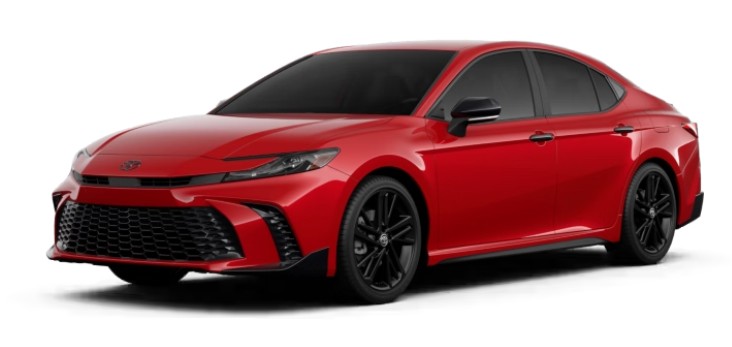
The Camry, meanwhile, is the more substantial sedan. It gives us a roomier cabin, stronger acceleration, greater highway comfort, and a more mature overall driving experience. In the current U.S. lineup, the Camry is exclusively hybrid and offers available all-wheel drive, while the Corolla remains available with either gasoline or hybrid power.
So, which is better, Toyota Corolla or Toyota Camry?
For most budget-focused commuters, students, first-time buyers, and city drivers, the Toyota Corolla is the smarter value. For families, frequent highway travelers, taller passengers, and buyers who want more comfort and power, the Toyota Camry is the better all-around car.
That is the simple answer. Now let’s look beneath the surface.
Toyota Corolla vs Toyota Camry at a Glance
Here is the broad difference between these two popular Toyota sedans:
| Category | Toyota Corolla | Toyota Camry |
|---|---|---|
| Vehicle class | Compact sedan | Midsize sedan |
| Best for | Budget buyers and city driving | Families and highway driving |
| Cabin space | Adequate but compact | Noticeably roomier |
| Performance | Efficient and easygoing | Stronger and more refined |
| Fuel options | Gasoline or hybrid | Hybrid |
| Available AWD | Hybrid models in some configurations | Available across the lineup |
| Parking ease | Excellent | Good |
| Purchase price | Lower | Higher |
| Ride comfort | Comfortable for its class | Smoother and quieter |
| Overall personality | Simple and economical | Polished and versatile |
The Corolla is not merely a smaller Camry. Nor is the Camry simply an expensive Corolla. Each car has its own purpose.
The Fast Verdict
Choose the Toyota Corolla when low ownership costs, compact dimensions, and everyday fuel economy matter most.
Choose the Toyota Camry when you value passenger space, stronger performance, highway refinement, and a more upscale experience.
What Is the Main Difference Between the Corolla and Camry?
The biggest difference is vehicle size.
The Corolla belongs to the compact-car class, while the Camry is a midsize sedan. That distinction affects nearly everything: passenger space, exterior dimensions, road manners, cargo capacity, power, pricing, and even how each car feels from behind the wheel.
The current Corolla sedan measures about 182.5 inches long and offers approximately 34.8 inches of rear legroom. The Camry stretches to roughly 193.5 inches and provides around 38 inches of rear legroom. Toyota also lists approximately 13.1 cubic feet of trunk space for the Corolla and 15.1 cubic feet for the Camry.
Those numbers may seem dry, but their effect is easy to feel.
In the Corolla, the rear seat works well for children, shorter journeys, or occasional adult passengers. In the Camry, adults can settle in more naturally without negotiating for knee space like diplomats around a tiny table.
Is the Camry Much Bigger Than the Corolla?
Yes, although it does not feel enormous.
The Camry is about 11 inches longer and more than two inches wider than the Corolla. That extra footprint creates a more open cabin and a more planted feeling on the highway.
The Corolla remains easier to maneuver through tight streets, older parking garages, crowded shopping centers, and narrow driveways. Its smaller size becomes especially valuable in dense urban areas where every parking space seems designed for a shopping cart.
The Camry asks for slightly more room but rewards us with noticeably greater comfort.
Which Is More Affordable: Corolla or Camry?
The Corolla is the clear winner on initial price.
Toyota positions it as an accessible compact sedan, while the Camry sits higher in the range. Exact prices vary by model year, trim, destination fees, taxes, dealership policies, and market conditions, but the Corolla typically costs several thousand dollars less than a comparable Camry.
That difference can influence more than the monthly payment.
A less expensive car may also mean:
- Lower sales tax
- A smaller down payment
- Less interest paid over the loan
- Potentially lower insurance premiums
- Less money tied up in a depreciating asset
- More flexibility to choose a shorter financing term
This is where the Corolla shines. It handles the basic job of transportation with very little financial drama.
Does the Camry Justify Its Higher Price?
For many buyers, yes.
The Camry gives us more car in nearly every physical sense. We receive a larger cabin, additional rear-seat space, a bigger trunk, stronger power, a calmer ride, and greater long-distance comfort.
The extra cost makes sense when those advantages will be used regularly. A family carrying children, luggage, groceries, and sports equipment may appreciate the Camry every day. A solo commuter driving five miles to work may not.
Paying more for useful comfort is reasonable. Paying more for empty space is not always wise.
Think About Cost per Use
Rather than asking only which car is cheaper, we should ask which one delivers more value for our routine.
A Corolla driven mostly alone through city traffic can be a perfect match. A Camry carrying four adults over long distances may provide better value despite costing more.
The right car is not always the cheapest one. It is the one whose advantages we actually use.
Which Has Better Fuel Economy?
Both cars are impressively efficient, but the answer depends on the powertrain.
The Corolla is offered in traditional gasoline and hybrid forms. The regular gasoline Corolla can return up to an estimated 32 mpg city, 41 mpg highway, and 35 mpg combined in certain configurations. Toyota rates the Corolla Hybrid at up to approximately 50 mpg combined.
The current Camry uses a hybrid powertrain throughout its lineup. The most efficient front-wheel-drive version can achieve an estimated 51 mpg combined.
Therefore, the most efficient Camry can slightly outperform the Corolla Hybrid on paper, even though it is the larger and more powerful vehicle.
That is an impressive trick. It is like watching a larger runner keep pace while carrying an extra backpack.
Corolla Gas vs Camry Hybrid
A gasoline Corolla may cost less to purchase, but the hybrid Camry can consume less fuel, particularly in stop-and-go driving.
However, fuel savings alone may not erase the Camry’s higher purchase price. We should consider annual mileage, fuel prices, financing costs, and how long we plan to keep the car.
A driver covering 25,000 miles per year may benefit substantially from hybrid efficiency. Someone driving only 6,000 miles annually may save less than expected.
Corolla Hybrid vs Camry Hybrid
This comparison is surprisingly close.
Both vehicles deliver excellent efficiency, particularly in urban driving. The Corolla Hybrid is smaller and usually cheaper. The Camry Hybrid delivers more space and power while achieving similarly impressive fuel-economy figures.
That makes the Camry one of the strongest choices for drivers who want efficiency without feeling as though they are driving an economy car.
Which Is Faster: Toyota Corolla or Toyota Camry?
The Camry is significantly faster.
The regular 2026 Corolla uses a 2.0-liter four-cylinder engine producing 169 horsepower and 151 pound-feet of torque.
The Camry’s hybrid system produces as much as 232 net combined horsepower in all-wheel-drive form.
We do not need a racetrack to notice the difference. The Camry accelerates with more authority when merging, passing, or climbing hills. It feels less strained when carrying passengers and luggage.
The Corolla is not painfully slow. Its power is adequate for ordinary commuting, and its smaller body helps it feel responsive around town. Still, when we press the accelerator at highway speed, the Camry has much more in reserve.
Which Feels Sportier?
That depends on what we mean by sporty.
The Corolla feels light and nimble. It changes direction easily, fits through gaps naturally, and can feel playful on narrow urban roads.
The Camry feels more powerful and planted. Sport-oriented SE and XSE trims add firmer suspension tuning and more expressive styling. The result is not a dedicated sports sedan, but it has a confident rhythm that the standard Corolla cannot quite match.
For effortless acceleration, the Camry wins.
For lightweight simplicity, the Corolla can be surprisingly enjoyable.
What About the GR Corolla?
The GR Corolla is a different animal entirely.
It is a high-performance hatchback with a turbocharged engine, manual-transmission heritage, all-wheel drive, and track-focused engineering. Toyota lists 300 horsepower for the 2026 GR Corolla.
It should not be treated as a direct substitute for an ordinary Corolla sedan. In spirit and price, it competes with performance cars rather than basic family transportation.
For this comparison, “Corolla” refers primarily to the mainstream Corolla sedan.
Which Is More Comfortable?
The Camry is more comfortable overall.
Its longer wheelbase, broader cabin, more substantial seats, and additional sound insulation create a calmer experience. Road imperfections feel softer, wind noise seems more distant, and passengers have more room to settle.
The Corolla is comfortable enough for everyday use, but it communicates more of the road beneath us. On rough pavement, its shorter body and economy-car roots become easier to notice.
The difference grows during long journeys.
After a 20-minute commute, both cars may feel pleasant. After a five-hour highway trip, most drivers and passengers will prefer the Camry.
Front-Seat Comfort
Both vehicles offer supportive front seats and sensible driving positions.
The Corolla’s compact cabin creates an intimate feeling. Controls sit close at hand, visibility is generally easy to manage, and the car feels approachable from the first drive.
The Camry offers more shoulder room and a greater sense of openness. Taller drivers may find it easier to adjust the seat without compromising rear-passenger space.
Rear-Seat Comfort
This is one of the clearest Camry victories.
With roughly 38 inches of rear legroom compared with about 34.8 inches in the Corolla, the Camry gives adults substantially more space.
For families using rear-facing child seats, the difference can also matter. A bulky child seat may force the Corolla’s front passenger to move forward. The Camry provides more breathing room for everyone involved.
Which Has the Better Interior?
The Camry generally has the more impressive interior, especially in higher trims.
Its dashboard design feels wider and more substantial. Available equipment can include larger displays, upgraded upholstery, premium audio, heated and ventilated seats, and other comfort-focused features, depending on trim.
Toyota lists an available nine-speaker JBL premium audio system for the current Camry.
The Corolla’s cabin is simpler. That is not necessarily a criticism. Its layout is logical, its controls are familiar, and its materials are appropriate for the price.
The Corolla’s interior says, “Let’s get to work.”
The Camry’s interior says, “Let’s get comfortable first.”
Which Has Better Technology?
Technology availability varies by trim, but the Camry generally offers a higher ceiling.
The Corolla provides the smartphone integration, touchscreen functions, driver-assistance technology, and digital conveniences most buyers expect. Higher trims can add larger displays and more premium touches.
The Camry offers similar essentials while making more advanced or luxurious equipment available. Buyers moving into higher trims will find more opportunities to create a near-luxury cabin.
Still, we should not assume the largest screen equals the best experience. Physical controls, menu simplicity, and everyday usability matter more than flashy specifications.
Which Has More Cargo Space?
The Camry has the larger conventional trunk.
Toyota lists approximately 15.1 cubic feet of cargo capacity for the Camry and roughly 13.1 cubic feet for the Corolla sedan.
Two cubic feet may not sound dramatic, but the Camry’s broader, longer body can make it easier to load suitcases, grocery bags, folded strollers, or sports gear.
The Corolla’s trunk remains useful for normal errands and weekend luggage. It simply reaches its limits sooner.
Is the Corolla Hatchback More Practical?
In some situations, yes.
The Corolla Hatchback has a large rear opening that can accommodate tall or awkward items more easily than a sedan trunk. It may suit drivers carrying bicycles, boxes, plants, musical equipment, or bulky shopping.
However, the hatchback has a different rear-seat and cargo layout, and it is not automatically more spacious in every measurement. We should examine the actual shape of the cargo area rather than focusing only on published volume.
For maximum rear-seat comfort and traditional luggage space, the Camry remains the stronger choice.
Which Is Easier to Drive in the City?
The Corolla wins.
Its smaller footprint makes urban life less stressful. It fits more easily into parallel-parking spaces, requires less room for tight turns, and feels natural in crowded traffic.
The Corolla also gives us a clearer sense of where the car begins and ends. That quality is valuable for new drivers or anyone living in a neighborhood filled with narrow roads and limited parking.
The Camry is still manageable. Modern cameras, parking aids, and good visibility can reduce the burden. Yet physics remains physics: the Camry occupies more space.
Best Choice for New Drivers
The Corolla is often the better starting point for a new driver because it is:
- Easier to position on the road
- Simpler to park
- Less expensive to purchase
- Efficient in everyday use
- Powerful enough without feeling excessive
- Widely available on the used market
The Camry may suit a new driver who frequently transports family members or drives long distances, but the Corolla is usually the more forgiving first car.
Which Is Better on the Highway?
The Camry wins comfortably.
Its stronger powertrain makes merging and passing easier. Its longer wheelbase provides a more settled ride. The cabin tends to feel quieter, and rear-seat passengers have more room to stretch.
Available all-wheel drive can also increase confidence in rain or snow, although proper tires remain more important than drivetrain alone.
The Corolla can handle highway travel without difficulty. Millions of owners use it for long commutes and road trips. It simply requires a little more patience when passing and may feel busier at higher speeds.
Best Choice for Road Trips
Choose the Camry when road trips are a regular part of life.
It gives us:
- More passenger space
- Greater luggage capacity
- Stronger passing power
- A quieter cabin
- Better long-distance seating comfort
- Excellent hybrid fuel economy
- Available all-wheel drive
The Corolla can absolutely complete the same journey. The Camry simply makes the journey feel shorter.
Which Is Safer: Corolla or Camry?
Both models are designed as modern mainstream family cars and are available with extensive Toyota driver-assistance technology.
Safety equipment can vary by model year and trim, so buyers should verify the exact vehicle rather than assuming every Corolla or Camry has identical features. Important systems may include automatic emergency braking, pedestrian detection, adaptive cruise control, lane-departure alerts, lane-centering assistance, blind-spot monitoring, and rear cross-traffic alerts.
The Camry’s larger size may offer a psychological and physical sense of security, but bigger does not automatically mean safer in every crash. Vehicle structure, restraint systems, crash compatibility, speed, and impact direction all influence outcomes.
Do Not Buy by Badge Alone
When evaluating a specific used vehicle, check:
- Its model year
- Its trim level
- Its crash-test performance
- Its installed safety equipment
- Its tire condition
- Its accident history
- Whether any recalls remain unresolved
A poorly maintained Camry is not safer than a well-maintained Corolla merely because it is larger.
Which Is More Reliable?
Both have strong reputations for long-term dependability.
The Corolla’s simpler mission can be an advantage. Mainstream trims use proven technology, replacement parts are widely available, and independent mechanics are familiar with the platform.
The Camry has an equally strong history, although its larger size, hybrid hardware, additional equipment, and available all-wheel-drive system can introduce more components.
That does not mean the Camry is unreliable. It means that long-term repair costs may differ depending on configuration, age, mileage, and maintenance history.
Corolla Reliability Advantages
The Corolla appeals to buyers who prioritize mechanical simplicity and low running costs.
Its strengths include:
- Widely available parts
- Familiar mechanical design
- Strong resale demand
- Modest tire and brake costs
- Numerous qualified repair shops
- A large supply of used examples
Camry Reliability Advantages
The Camry combines durability with greater comfort.
It is especially appealing to drivers who keep cars for many years but do not want to sacrifice cabin space or highway refinement.
The hybrid system should not automatically frighten used-car shoppers. Toyota has decades of hybrid experience. Nevertheless, buyers should still inspect battery condition, service history, warning lights, cooling systems, and previous repairs.
Maintenance History Matters More Than the Nameplate
A Corolla with neglected oil changes, mismatched tires, and collision damage can become a financial headache.
A Camry with complete records, careful ownership, and timely maintenance may continue running smoothly for years.
Condition beats reputation. Documentation beats assumptions.
Which Costs Less to Maintain?
The Corolla usually costs less.
Its smaller tires, lower curb weight, compact brakes, and simpler entry-level configurations can reduce routine expenses. Insurance may also be cheaper, although premiums depend heavily on location, driver profile, coverage, repair costs, and theft data.
The Camry’s maintenance is not unusually expensive for a midsize sedan. However, larger wheels, performance-oriented tires, additional technology, and premium trim features can increase costs.
A base Camry and a loaded Camry XSE may wear the same name, but their ownership expenses can be quite different.
Watch the Wheel Size
Large wheels can look fantastic. They can also bring:
- More expensive tires
- Less sidewall cushioning
- Greater vulnerability to pothole damage
- A firmer ride
- Potentially higher replacement costs
Drivers seeking maximum comfort and minimum expense should consider modest wheel sizes, regardless of whether they choose a Corolla or Camry.
Which Has Better Resale Value?
Both generally perform well in the used-car market because Toyota sedans have broad recognition and strong buyer demand.
The Corolla may retain a particularly wide audience because it is affordable, efficient, and popular with students, commuters, delivery drivers, and first-time buyers.
The Camry also attracts a large used-car audience, especially among families and drivers seeking a comfortable long-term vehicle.
Actual resale value depends on:
- Mileage
- Accident history
- Service records
- Exterior and interior condition
- Trim level
- Local demand
- Powertrain
- Vehicle age
- Tire and brake condition
Neutral colors and mainstream trims may be easier to resell, but unusual combinations sometimes attract buyers willing to pay more.
Which Is Better in Snow?
The answer depends more on tires than on the badge.
A front-wheel-drive Corolla with high-quality winter tires can outperform an all-wheel-drive Camry fitted with poor all-season tires when braking or turning on snow.
Still, drivetrain availability matters. The current Camry offers electronic on-demand all-wheel drive, and every 2026 Camry grade is available with either front-wheel drive or all-wheel drive.
The Corolla Hybrid also offers available all-wheel drive in certain configurations, while gasoline Corolla sedans are generally front-wheel drive.
Camry Snow Advantages
The Camry may be preferable in winter because of its:
- Available AWD across more configurations
- Heavier, more planted feel
- Stronger acceleration
- Greater highway stability
- Roomier cabin for winter clothing and gear
Corolla Snow Advantages
The Corolla’s smaller size can make it easier to maneuver, and its lower replacement costs may make winter-wheel ownership more affordable.
Ground clearance remains limited in both sedans. Neither should be mistaken for an off-road vehicle or deep-snow specialist.
Which Looks Better?
This is entirely subjective.
The Corolla has compact, youthful proportions. Sport trims add sharper bumpers, larger wheels, and darker accents. It can look energetic without trying too hard.
The Camry has a wider, lower, more dramatic presence. Its design carries more visual weight, especially in SE, Nightshade, and XSE forms. Toyota added a Nightshade Edition to the 2026 lineup with black exterior details and 19-inch satin-black wheels.
Some buyers will prefer the Corolla’s neat simplicity. Others will see the Camry as more expensive-looking and confident.
Beauty is personal. Parking damage is universal. Consider where the car will live before choosing delicate wheels or aggressive bodywork.
Who Should Buy the Toyota Corolla?
The Corolla is the better choice for buyers who want transportation to remain straightforward.
It is particularly well suited to:
- Students
- First-time car buyers
- Single drivers
- Couples without children
- Urban commuters
- Buyers with limited parking
- Drivers seeking lower monthly payments
- Owners prioritizing low operating costs
- People who rarely carry rear-seat passengers
- Anyone wanting a simple, dependable sedan
The Corolla does not demand attention. It quietly performs its job, day after day, like a good pair of shoes that never creates a blister.
When the Corolla Is Enough
We do not need a midsize sedan simply because it is more spacious.
The Corolla is enough when most trips involve one or two people, cargo needs are modest, and driving takes place mainly around town.
Buying only the space we use can leave more money available for insurance, maintenance, travel, savings, or paying off the loan early.
Who Should Buy the Toyota Camry?
The Camry is the better choice for drivers who want one car to handle nearly everything.
It suits:
- Families
- Taller drivers
- Frequent rear-seat passengers
- Highway commuters
- Long-distance travelers
- Drivers who want stronger acceleration
- Buyers seeking near-luxury features
- People living in areas where AWD is useful
- Owners who plan to keep the car for many years
- Anyone wanting efficiency without a compact-car feel
The Camry occupies a sweet spot. It is economical enough for commuting, roomy enough for family life, and refined enough for long trips.
When the Camry Is Worth the Upgrade
The Camry becomes worth the extra money when we repeatedly benefit from its advantages.
A larger cabin used every day is valuable. Stronger passing power used every week is valuable. A quieter ride during a long daily commute is valuable.
The upgrade makes less sense when those benefits exist only on paper.
Corolla vs Camry for Families
The Camry is usually the better family car.
Its rear-seat space makes child-seat installation easier, while its larger trunk accommodates more everyday gear. Adults can also ride in the back without feeling punished.
The Corolla can work for a small family, particularly when children are young and the budget is tight. However, families should physically test their child seats, stroller, and typical luggage before buying.
A showroom can make every cabin appear spacious. Real life arrives carrying a diaper bag, a folded stroller, three grocery sacks, and a child who refuses to bend.
Corolla vs Camry for Commuters
This is a closer contest.
The Corolla is excellent for short or urban commutes because it is inexpensive, compact, and efficient.
The Camry is better for long highway commutes because it is quieter, faster, roomier, and similarly efficient in its most economical hybrid configuration.
A useful rule is:
- Mostly city and short distances: Corolla
- Mostly highway and long distances: Camry
- High annual mileage with limited passengers: Corolla Hybrid
- High annual mileage with comfort priorities: Camry Hybrid
Corolla vs Camry for Used-Car Buyers
Used-car shoppers should focus less on the general model and more on the individual example.
A slightly older Camry may cost the same as a newer Corolla. The Camry provides more comfort, but the Corolla may have fewer miles, newer safety systems, and more warranty coverage.
Before choosing, compare:
- Service history
- Mileage
- Accident records
- Tire condition
- Brake wear
- Fluid leaks
- Warning lights
- Hybrid-system condition
- Suspension noises
- Ownership and title history
A professional pre-purchase inspection is often more valuable than hours spent debating model reputations online.
Newer Corolla or Older Camry?
Choose the newer Corolla when it has a cleaner history, lower mileage, more safety equipment, and meaningful warranty coverage.
Choose the older Camry when it has been carefully maintained and its additional comfort genuinely matters.
Do not stretch the budget merely to move into the larger car. A comfortable vehicle becomes uncomfortable quickly when its payment dominates the household budget.
Common Mistakes When Choosing Between Them
Many buyers make the decision more complicated than necessary.
Mistake 1: Buying for Rare Occasions
We sometimes purchase a larger vehicle because we might take one road trip per year or carry five people twice a year.
Renting a larger car for rare occasions may cost less than financing extra space every month.
Mistake 2: Looking Only at the Monthly Payment
A longer loan can make the Camry appear only slightly more expensive per month. Yet the total interest cost may be much higher.
Compare total purchase price, loan term, interest, insurance, and projected maintenance.
Mistake 3: Ignoring the Test Drive
Specifications cannot reveal seating comfort, visibility, steering feel, road noise, or whether a dashboard irritates us.
Drive both cars over the same roads whenever possible.
Mistake 4: Choosing the Wrong Trim
A well-equipped Corolla may cost close to an entry-level Camry. At that point, buyers must decide whether they prefer more technology in a smaller car or more space in a larger one.
Neither answer is automatically correct.
Mistake 5: Assuming Bigger Is Always Better
Larger vehicles bring benefits, but they also cost more, occupy more space, and may use more expensive tires and parts.
The best car is not the one with the longest specification sheet. It is the one that fits our actual week.
Final Score: Toyota Corolla vs Toyota Camry
Here is how the two cars compare across the most important categories:
| Category | Winner |
| Initial affordability | Corolla |
| City maneuverability | Corolla |
| Parking ease | Corolla |
| Gas-model simplicity | Corolla |
| Rear-seat space | Camry |
| Trunk capacity | Camry |
| Acceleration | Camry |
| Highway comfort | Camry |
| Ride refinement | Camry |
| Premium features | Camry |
| Fuel economy | Tie, depending on configuration |
| Reliability reputation | Tie |
| Family practicality | Camry |
| First-time buyers | Corolla |
| Overall versatility | Camry |
So, Which Is Better: Toyota Corolla or Toyota Camry?
The Toyota Camry is the better overall car, but the Toyota Corolla may be the better purchase.
That distinction matters.
The Camry delivers more room, more power, greater comfort, better highway manners, and a broader sense of refinement. It works beautifully as a family sedan, long-distance commuter, or one-car solution for a household.
The Corolla wins through discipline. It gives us what we need without charging us for much that we do not. It is easy to drive, economical to own, simple to park, and available with efficient gasoline or hybrid powertrains.
Choose the Corolla when affordability and practicality lead the conversation.
Choose the Camry when space, comfort, and performance matter enough to justify the added cost.
Neither is the wrong answer. They are two different-sized tools from the same dependable toolbox. The wiser choice is the one that fits our life today—not the imaginary life we may have five years from now.
Frequently Asked Questions
1. Is a Toyota Camry more reliable than a Corolla?
Not necessarily. Both models have strong reliability reputations, and the condition of the individual vehicle matters more than a small theoretical difference between them. Maintenance records, mileage, driving history, accident damage, and previous ownership should guide a used-car decision.
2. Is a Toyota Corolla cheaper to insure than a Camry?
The Corolla is often cheaper to insure because it generally costs less to replace and repair. However, premiums depend on the driver’s age, location, claims history, mileage, coverage level, trim, theft rates, and insurer. Obtain quotes for the exact vehicles before buying.
3. Is the Camry better than the Corolla for long trips?
Yes. The Camry offers more rear-seat room, a larger trunk, stronger acceleration, and a quieter, smoother highway ride. The Corolla can handle long trips, but the Camry is usually less tiring over several hours.
4. Should I buy a loaded Corolla or a base Camry?
Choose the loaded Corolla when compact size, technology, and lower operating costs matter most. Choose the base Camry when passenger space, ride comfort, power, and highway refinement are more important. Test-driving both is the best way to resolve this close comparison.
5. Which lasts longer, Toyota Corolla or Toyota Camry?
Either can last for many years when properly maintained. There is no guaranteed winner because longevity depends on service habits, climate, driving conditions, accident history, mileage, and repair quality. A well-maintained example of either model is usually a better bet than a neglected version of the other.
If you want to see other articles similar to Which Is Better: Toyota Corolla or Toyota Camry? you can visit the Compare category.
Ford Bronco Pros and Cons: Complete Buyer’s Guide
2026 Ford Bronco Towing: Capacity, Equipment, and Real-World Limits
Ford Bronco Gas Tank Size: 2026 U.S. Guide
2026 Ford Bronco Big Bend vs Outer Banks: Features and Differences Explained
2026 Ford Bronco Trim Levels in Order: Complete U.S. Guide
Ford Bronco Models Explained for U.S. Buyers
Leave a Reply
Related Topics