

Ford F 150 vs Ram 1500 Resale Value: Which Truck Holds Its Worth Better?

Contents in this publication
- Why Resale Value Matters More Than Most Buyers Think
- Ford F-150 Resale Value Overview
- Ram 1500 Resale Value Overview
- Ford F 150 vs Ram 1500 Resale Value: The Big Picture
- Depreciation: Where the Real Battle Happens
- Trim Levels That Hold Value Better
- Engine Choice and Resale Value
- Mileage: The Great Equalizer
- Condition and Maintenance Records
- Market Demand: Ford’s Biggest Advantage
- Ram’s Advantage: Comfort Creates Desire
- Towing, Payload, and Work Reputation
- Off-Road and Special Editions
- Luxury Trims: Beautiful but Risky
- Private Sale vs Trade-In Value
- Regional Differences in Resale Value
- Buying New: Which Truck Is Smarter for Resale?
- Buying Used: Which Truck Gives Better Value?
- Ford F 150 vs Ram 1500 Resale Value Verdict
- Final Thoughts: The Best Resale Truck Is the One Bought Wisely
- FAQs About Ford F 150 vs Ram 1500 Resale Value
- Why Resale Value Matters More Than Most Buyers Think
- Ford F-150 Resale Value Overview
- Ram 1500 Resale Value Overview
- Ford F 150 vs Ram 1500 Resale Value: The Big Picture
- Depreciation: Where the Real Battle Happens
- Trim Levels That Hold Value Better
- Engine Choice and Resale Value
- Mileage: The Great Equalizer
- Condition and Maintenance Records
- Market Demand: Ford’s Biggest Advantage
- Ram’s Advantage: Comfort Creates Desire
- Towing, Payload, and Work Reputation
- Off-Road and Special Editions
- Luxury Trims: Beautiful but Risky
- Private Sale vs Trade-In Value
- Regional Differences in Resale Value
- Buying New: Which Truck Is Smarter for Resale?
- Buying Used: Which Truck Gives Better Value?
- Ford F 150 vs Ram 1500 Resale Value Verdict
- Final Thoughts: The Best Resale Truck Is the One Bought Wisely
- FAQs About Ford F 150 vs Ram 1500 Resale Value
Ford F 150 vs Ram 1500 Resale Value: Which Truck Holds Its Worth Better?
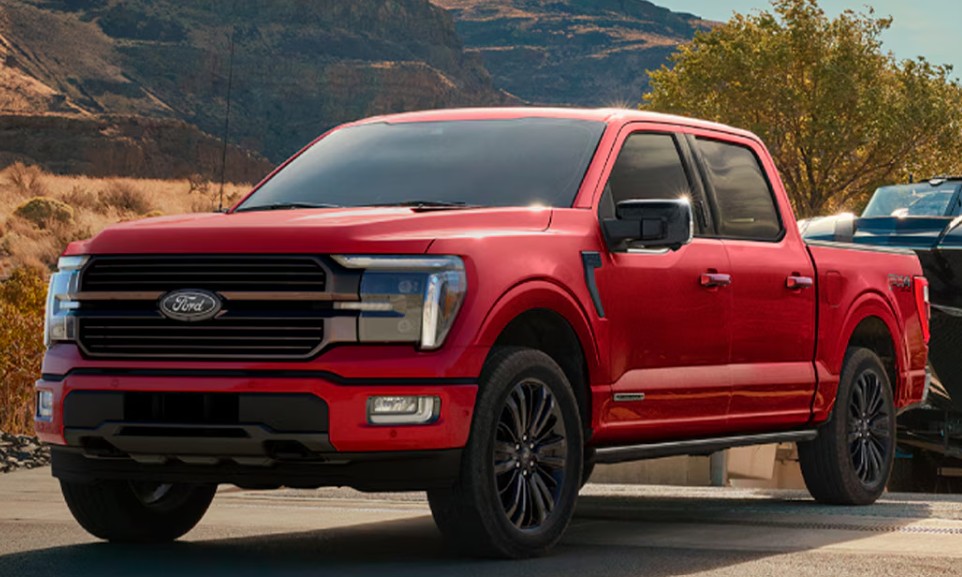
When we talk about full-size pickup trucks, two names always seem to pull into the driveway first: the Ford F-150 and the Ram 1500. They are not just vehicles; they are work partners, weekend warriors, family haulers, status symbols, and sometimes even rolling offices. But once the new-truck smell fades and the odometer starts climbing, a practical question comes roaring in like a cold-start V8: which one holds its value better?
That is where the Ford F 150 vs Ram 1500 resale value debate gets interesting. On paper, both trucks are heavy hitters. The F-150 has decades of market dominance, deep fleet demand, strong parts availability, and a huge used-truck audience. The Ram 1500, on the other hand, has become a serious value contender thanks to its smooth ride, upscale interiors, strong engines, and loyal following.
So, should we buy the Ford because it is the safe resale bet? Or does the Ram quietly return more value than people expect? Let’s break it down in a real-world way, without the boring dealership fog.
Why Resale Value Matters More Than Most Buyers Think
Resale value is not just something we worry about when selling. It affects the entire ownership experience. A truck that holds value well can lower the real cost of ownership, protect our equity, and give us more flexibility when it is time to trade up.
Think of depreciation like a slow leak in a tire. We may not notice it during the first few miles, but over time, it changes everything. A truck can feel like a great deal at purchase, but if it loses value quickly, that “deal” can become expensive in disguise.
When we compare the Ford F-150 and Ram 1500, sticker price only tells part of the story. The bigger question is what the truck is worth after three, five, or seven years.
A truck with stronger resale value can help us:
- Recover more money when selling
- Get a better trade-in offer
- Stay ahead on a loan
- Reduce long-term ownership cost
- Upgrade more easily later
That is why smart truck buyers do not only ask, “How much does it cost?” They also ask, “How much will it still be worth?”
Ford F-150 Resale Value Overview
The Ford F-150 has one major advantage before we even look at numbers: reputation. It is one of the most recognizable trucks in North America, and that recognition matters in the used market.
Used buyers often trust what they know. And when people search for a second-hand pickup, the F-150 is usually near the top of the list. That constant demand helps support resale values across many trims and model years.
Why the F-150 Usually Holds Value Well
The F-150 benefits from several resale-friendly factors. First, it has massive market visibility. There are many of them on the road, but there are also many buyers looking for them. That balance keeps the used market active.
Second, Ford offers a broad trim range. A basic XL work truck can appeal to contractors, while a Lariat, King Ranch, Platinum, or Raptor can attract buyers looking for comfort or performance. This variety gives the F-150 multiple resale lanes.
Third, parts availability and repair familiarity help. Mechanics know these trucks. Buyers know they can find parts. That reduces fear in the used market.
The F-150’s Resale Strengths
The Ford F-150 tends to perform well because it offers:
- Strong brand recognition
- Huge used-truck demand
- Wide trim availability
- Good work-truck reputation
- Strong towing and payload image
- Popular special trims like Tremor and Raptor
- Broad dealer and service network
In short, the F-150 is like the familiar restaurant on a road trip. We may not know every item on the menu, but we trust it enough to stop.
Ram 1500 Resale Value Overview
The Ram 1500 has changed its image dramatically over the years. It used to be viewed by some buyers as the underdog compared with Ford and Chevy. Today, that story is different. The Ram 1500 is often praised for comfort, cabin quality, ride smoothness, and premium feel.
That matters because resale value is not only about durability. It is also about desirability. If buyers want the truck used, the truck holds value better.
Why the Ram 1500 Has Become a Strong Resale Player
Ram’s biggest resale weapon is comfort. The Ram 1500 often feels less like a rough workhorse and more like a luxury SUV with a bed. For daily drivers, families, and long-distance commuters, that is a big deal.
The available coil-spring rear suspension, upscale cabins, large screens, quiet ride, and higher-end trims give Ram a distinct personality. While the F-150 leans into capability and legacy, the Ram leans into comfort and refinement.
The Ram 1500’s Resale Strengths
The Ram 1500 can hold value well because it offers:
- Comfortable ride quality
- Attractive interiors
- Strong engine options
- Premium trims with luxury appeal
- Loyal buyer base
- Good highway manners
- Stylish exterior design
Ram resale value has improved because the truck no longer feels like a backup choice. For many buyers, it is the first choice.
Ford F 150 vs Ram 1500 Resale Value: The Big Picture
Here is the honest answer: the resale-value race between the Ford F-150 and Ram 1500 is close. In some markets, the F-150 may sell faster and command more attention. In others, a well-equipped Ram 1500 may surprise us with strong retained value.
The winner often depends on trim, condition, mileage, engine, location, and timing. A clean Ram 1500 Limited with low miles can outperform a tired F-150 XL. A well-optioned F-150 Lariat can beat a heavily discounted Ram Big Horn. The badge matters, but the details matter more.
Which Truck Usually Has the Safer Resale Profile?
If we want the safer, more predictable resale path, the Ford F-150 often has the edge. Its market demand is enormous, and buyers rarely need much explanation about what an F-150 is.
However, the Ram 1500 can be the better value play if bought at the right price. If we get a strong discount upfront and the truck holds reasonably well, the real-world ownership cost can be very competitive.
So the question is not only “Which truck resells for more?” It is also “Which truck costs less to own after purchase price, depreciation, incentives, and trade-in value are considered?”
Depreciation: Where the Real Battle Happens
Depreciation is the difference between what we pay and what the truck is worth later. Both the F-150 and Ram 1500 depreciate, of course. No truck is immune. But the pattern is different.
New trucks usually lose the most value during the first few years. After that, depreciation slows. That is why buying a lightly used truck can be a smart move, especially if someone else already absorbed the steep first drop.
First Three Years: The Fastest Drop
During the first three years, both trucks can lose a noticeable chunk of value. Higher trims may lose more money in absolute dollars because they cost more upfront. A luxury truck with a huge MSRP has more room to fall.
This is where Ram can be tricky. Ram trucks often come with aggressive incentives or discounts when new. That can make them attractive to buy, but it can also affect resale values because used prices compete with discounted new inventory.
Ford also uses incentives, but the F-150’s massive demand can help stabilize resale.
Years Four to Six: The Value Sweet Spot
For many buyers, years four to six are the sweet spot. The truck has already taken its biggest depreciation hit, but it may still feel modern, capable, and reliable.
A five-year-old F-150 or Ram 1500 with good service records, clean history, reasonable mileage, and desirable options can still command strong money. This is where condition becomes king.
Trim Levels That Hold Value Better
Not all trims are equal. A truck’s trim can make a huge difference in resale value. Some trims are too basic for private buyers. Others are so expensive new that they depreciate heavily. The sweet spot is usually a trim that balances features, price, and demand.
Best F-150 Trims for Resale Value
The F-150 trims that often attract strong resale interest include:
- XLT: practical, popular, and well-equipped
- Lariat: strong balance of comfort and utility
- Tremor: off-road appeal without full Raptor pricing
- Raptor: enthusiast demand and performance identity
- King Ranch: luxury appeal with a loyal audience
The XLT may be the quiet hero. It is not flashy, but it is easy to sell because so many buyers want a capable truck without luxury-trim pricing.
Best Ram 1500 Trims for Resale Value
The Ram 1500 trims that often perform well include:
- Big Horn/Lone Star: popular, practical, and value-oriented
- Laramie: strong comfort-to-price balance
- Rebel: rugged look and off-road personality
- Limited: luxury appeal, though depreciation can be higher
- Tungsten: premium demand, but resale depends heavily on market appetite
The Ram Rebel is especially interesting because it has a clear identity. Used buyers love trucks that feel special, and Rebel gives Ram that attitude.
Engine Choice and Resale Value
Engines can make or break resale value. Buyers care about power, reliability, fuel economy, maintenance cost, and towing ability. A great truck with the wrong engine for the market can be harder to sell.
Ford F-150 Engine Resale Factors
The F-150 has offered a wide range of engines, including EcoBoost V6 options, V8 choices, hybrid powertrains, and performance engines. That variety helps buyers find what they want, but it also creates differences in resale demand.
The 5.0-liter V8 often has strong appeal among traditional truck buyers. The 3.5-liter EcoBoost is popular for towing and performance. The 2.7-liter EcoBoost can appeal to buyers who want a lighter-duty truck with better efficiency.
The PowerBoost hybrid can be attractive, especially for buyers who value fuel savings and onboard power capability. However, some used buyers may still be cautious about hybrid complexity.
Ram 1500 Engine Resale Factors
The Ram 1500 has historically leaned heavily on the HEMI V8 identity. That engine has strong emotional appeal. Many buyers simply love the sound, feel, and familiarity of a V8 Ram.
Newer Ram powertrains and mild-hybrid systems can also attract buyers, especially those looking for better efficiency and modern performance. Still, resale value may depend on how confident used buyers feel about long-term repair costs.
Engine Resale Takeaway
For both trucks, the best resale engine is usually the one that matches buyer expectations. In truck country, a strong engine with known capability tends to hold attention.
Mileage: The Great Equalizer
Mileage can erase brand advantages quickly. A lower-mile Ram 1500 may beat a higher-mile F-150 in resale value, even if Ford has the stronger reputation overall.
Used truck buyers are practical. They know trucks work hard. If a pickup has high mileage, visible wear, accident history, or poor maintenance records, resale value drops fast.
Mileage Milestones That Matter
Common psychological mileage points include:
- Under 30,000 miles: nearly new appeal
- 30,000 to 60,000 miles: strong used value zone
- 60,000 to 100,000 miles: condition and records matter more
- Over 100,000 miles: price sensitivity increases
- Over 150,000 miles: buyer pool narrows
A clean, well-maintained truck can still sell well with higher mileage, but buyers will expect a discount.
Condition and Maintenance Records
A truck with clean service records is like a resume with strong references. It gives buyers confidence. Oil changes, tire rotations, brake work, transmission service, recalls, and inspections all help tell a story.
Between the Ford F-150 and Ram 1500, condition can easily matter more than the badge. A neglected Ford will not magically outsell a loved Ram.
What Helps Resale Value Most?
To protect resale value, we should keep:
- Maintenance receipts
- Tire and brake records
- Recall completion records
- Clean title documentation
- Original window sticker if available
- Owner’s manuals and spare keys
- Photos of the truck over time
These small details can make a used truck feel safer to buy.
Market Demand: Ford’s Biggest Advantage
The Ford F-150 has a huge built-in audience. Contractors, families, fleets, ranchers, weekend towers, and everyday commuters all shop for used F-150s. That demand gives Ford a powerful resale cushion.
Even when the market cools, the F-150 remains liquid. In plain English, it is usually easier to sell.
Why Liquidity Matters
A vehicle’s resale value is not only what it is theoretically worth. It is also how quickly someone will pay for it. A truck that sells fast at a fair price is often more valuable than one that sits online for months.
The F-150’s advantage is simple: more people search for it, recognize it, and trust it.
Ram’s Advantage: Comfort Creates Desire
The Ram 1500 fights back with emotional appeal. Once buyers sit inside a well-equipped Ram, the conversation changes. The cabin can feel richer. The ride can feel softer. The truck can feel more premium than expected.
That can help resale, especially with buyers who use their truck as a daily driver more than a job-site tool.
The Daily Driver Factor
Many truck buyers do not tow every week. They commute, run errands, take road trips, and carry family. For those buyers, comfort matters. Ram understands that beautifully.
A used Ram 1500 can win a buyer’s heart during the test drive. And when a truck feels good, people are willing to pay more.
Towing, Payload, and Work Reputation
The F-150 usually benefits from a strong work-truck image. Buyers who care about towing, payload, and job-site dependability often lean Ford. That reputation supports resale value, especially in areas where trucks are used hard.
Ram is capable too, but its resale strength often leans more toward comfort and lifestyle appeal than pure work-truck dominance.
Which One Appeals More to Work Buyers?
For work-focused resale, the F-150 may have the upper hand. Fleet buyers and contractors often want simple, proven, easy-to-service trucks. Ford’s long presence in that space helps.
For lifestyle buyers, Ram can be equally compelling, especially in trims with leather, tech, and a smoother ride.
Off-Road and Special Editions
Special trims can change the resale equation. Enthusiast models often hold value better because buyers actively search for them.
Ford Raptor and Tremor Resale Appeal
The F-150 Raptor has a strong identity. It is not just a trim; it is a brand within a brand. That helps resale value. The Tremor also gives buyers off-road styling and capability without going as extreme as the Raptor.
These trims can command strong used prices when clean and unmodified.
Ram Rebel Resale Appeal
The Ram Rebel gives Ram a rugged personality. It is not as famous as the Raptor, but it has a loyal following. For buyers who want attitude without going full desert-runner, the Rebel makes sense.
A clean Rebel with good options can hold value better than a plain trim.
Luxury Trims: Beautiful but Risky
Luxury trucks are tempting. Big screens, leather, premium audio, panoramic roofs, advanced driver-assistance features, and fancy wheels make them feel special. But resale value can be complicated.
High-end trims cost more new, so they often lose more dollars even if the percentage loss looks acceptable.
F-150 Platinum vs Ram Limited
A Ford F-150 Platinum and Ram 1500 Limited can both be desirable used trucks. The Ram may feel more luxurious inside, while the Ford may have broader market confidence.
The risk is that luxury-truck buyers can be picky. If the truck has worn leather, outdated tech, missing options, or cosmetic damage, resale value can drop quickly.
Luxury Trim Rule
Buy luxury trims because we love them, not because we expect them to be depreciation-proof.
Private Sale vs Trade-In Value
How we sell the truck matters. Trade-in values are usually lower than private-party values because the dealer needs room for reconditioning, risk, and profit.
The F-150 may have stronger dealer trade-in confidence because dealers know they can move it quickly. Ram can still trade well, especially if it is clean and desirable, but dealer offers may vary more.
How to Get More Money When Selling
To maximize resale value:
- Clean the truck deeply before listing
- Fix small cosmetic issues
- Replace worn tires if needed
- Gather maintenance records
- Take bright, honest photos
- Mention key options clearly
- Price based on local market, not emotion
A good listing can add real money. Bad photos can make a great truck look tired.
Regional Differences in Resale Value
Truck resale value changes by region. In rural areas, work capability and brand loyalty may matter more. In suburban markets, comfort, fuel economy, and technology may matter more.
An F-150 may dominate one region while a Ram 1500 sells faster in another. Weather, fuel prices, local jobs, and dealer presence all influence demand.
Where the F-150 May Have an Edge
The F-150 may perform especially well in areas where:
- Work trucks are in high demand
- Ford dealers are common
- Fleet trucks are popular
- Towing and payload matter
- Buyers prioritize long-term familiarity
Where the Ram 1500 May Shine
The Ram 1500 may do especially well where:
- Buyers want comfort
- Luxury interiors matter
- Highway driving is common
- New Ram incentives created strong local interest
- Rebel and Laramie trims are popular
Buying New: Which Truck Is Smarter for Resale?
If we are buying new and care mainly about resale, the F-150 is often the more predictable choice. Its broad demand and long-standing reputation make it a safer bet.
But the Ram 1500 can be very smart if the purchase price is right. A bigger discount upfront can offset slightly weaker resale later. This is where buyers need to look at the whole equation.
The Real Formula
The real cost is:
Purchase price minus resale value plus ownership costs.
That means a truck with a lower resale value can still be a better financial choice if it was bought for much less at the beginning.
Buying Used: Which Truck Gives Better Value?
Used buyers may find the Ram 1500 especially attractive because depreciation can create opportunities. A lightly used Ram with luxury features may cost less than a similarly equipped F-150.
That does not automatically make it better, but it can make it a smarter buy for comfort-focused drivers.
Used F-150 Buyer Profile
A used F-150 is ideal if we want:
- Easy resale later
- Wide parts availability
- Strong work-truck image
- Many engine and trim choices
- Familiar ownership experience
Used Ram 1500 Buyer Profile
A used Ram 1500 is ideal if we want:
- More comfort for the money
- Upscale cabin feel
- Smooth daily driving
- Strong value on higher trims
- A truck that feels refined
Ford F 150 vs Ram 1500 Resale Value Verdict
So, who wins the Ford F 150 vs Ram 1500 resale value battle?
If we want the simplest answer, the Ford F-150 is usually the safer resale bet. It has wider recognition, deeper used-market demand, and stronger liquidity. It is the truck more buyers immediately understand.
But the Ram 1500 is closer than many people think. In the right trim, with the right mileage, bought at the right price, Ram can deliver excellent real-world value. It may not always have Ford’s resale reputation, but it has comfort, style, and desirability on its side.
The smartest choice depends on what we value most. If resale predictability is our top priority, go F-150. If comfort and purchase value matter just as much, the Ram 1500 deserves a serious look.
Final Thoughts: The Best Resale Truck Is the One Bought Wisely
At the end of the day, resale value is not magic. It is the result of smart buying, good maintenance, desirable options, and timing. A clean F-150 can be a resale champ. A well-bought Ram 1500 can be a financial win. A neglected version of either truck can sink like a stone.
The Ford F-150 is the steady hand. The Ram 1500 is the comfortable challenger. One feels like the old champion; the other feels like the stylish rival that refuses to leave the ring.
Our best move? Buy the truck that fits our life, avoid overpaying, choose a desirable trim, maintain it well, and keep records. Resale value follows discipline more than luck.
FAQs About Ford F 150 vs Ram 1500 Resale Value
Does the Ford F-150 have better resale value than the Ram 1500?
In many markets, the Ford F-150 has a more predictable resale advantage because of its massive demand, strong reputation, and broad buyer base. However, the Ram 1500 can be very competitive, especially when bought at a good price and maintained well.
Which Ram 1500 trim holds value best?
The Ram 1500 Big Horn, Laramie, and Rebel are often strong resale choices. Big Horn appeals to value-focused buyers, Laramie offers comfort without going too extreme on price, and Rebel attracts buyers who want rugged styling.
Which Ford F-150 trim is best for resale value?
The F-150 XLT and Lariat are usually smart resale choices because they balance price, features, and demand. Tremor and Raptor trims can also hold strong value thanks to their enthusiast appeal.
Is a used Ram 1500 a better deal than a used F-150?
It can be. A used Ram 1500 may offer more comfort and features for the money. However, the F-150 may be easier to resell later. The better deal depends on price, mileage, condition, trim, and local demand.
How can I protect pickup truck resale value?
Keep up with maintenance, save service records, avoid poor modifications, repair small issues early, keep the truck clean, and choose popular colors and trims. A well-documented truck almost always sells better.When we talk about full-size pickup trucks, two names always seem to pull into the driveway first: the Ford F-150 and the Ram 1500. They are not just vehicles; they are work partners, weekend warriors, family haulers, status symbols, and sometimes even rolling offices. But once the new-truck smell fades and the odometer starts climbing, a practical question comes roaring in like a cold-start V8: which one holds its value better?
That is where the Ford F 150 vs Ram 1500 resale value debate gets interesting. On paper, both trucks are heavy hitters. The F-150 has decades of market dominance, deep fleet demand, strong parts availability, and a huge used-truck audience. The Ram 1500, on the other hand, has become a serious value contender thanks to its smooth ride, upscale interiors, strong engines, and loyal following.
So, should we buy the Ford because it is the safe resale bet? Or does the Ram quietly return more value than people expect? Let’s break it down in a real-world way, without the boring dealership fog.
Why Resale Value Matters More Than Most Buyers Think
Resale value is not just something we worry about when selling. It affects the entire ownership experience. A truck that holds value well can lower the real cost of ownership, protect our equity, and give us more flexibility when it is time to trade up.
Think of depreciation like a slow leak in a tire. We may not notice it during the first few miles, but over time, it changes everything. A truck can feel like a great deal at purchase, but if it loses value quickly, that “deal” can become expensive in disguise.
When we compare the Ford F-150 and Ram 1500, sticker price only tells part of the story. The bigger question is what the truck is worth after three, five, or seven years.
A truck with stronger resale value can help us:
- Recover more money when selling
- Get a better trade-in offer
- Stay ahead on a loan
- Reduce long-term ownership cost
- Upgrade more easily later
That is why smart truck buyers do not only ask, “How much does it cost?” They also ask, “How much will it still be worth?”
Ford F-150 Resale Value Overview
The Ford F-150 has one major advantage before we even look at numbers: reputation. It is one of the most recognizable trucks in North America, and that recognition matters in the used market.
Used buyers often trust what they know. And when people search for a second-hand pickup, the F-150 is usually near the top of the list. That constant demand helps support resale values across many trims and model years.
Why the F-150 Usually Holds Value Well
The F-150 benefits from several resale-friendly factors. First, it has massive market visibility. There are many of them on the road, but there are also many buyers looking for them. That balance keeps the used market active.
Second, Ford offers a broad trim range. A basic XL work truck can appeal to contractors, while a Lariat, King Ranch, Platinum, or Raptor can attract buyers looking for comfort or performance. This variety gives the F-150 multiple resale lanes.
Third, parts availability and repair familiarity help. Mechanics know these trucks. Buyers know they can find parts. That reduces fear in the used market.
The F-150’s Resale Strengths
The Ford F-150 tends to perform well because it offers:
- Strong brand recognition
- Huge used-truck demand
- Wide trim availability
- Good work-truck reputation
- Strong towing and payload image
- Popular special trims like Tremor and Raptor
- Broad dealer and service network
In short, the F-150 is like the familiar restaurant on a road trip. We may not know every item on the menu, but we trust it enough to stop.
Ram 1500 Resale Value Overview
The Ram 1500 has changed its image dramatically over the years. It used to be viewed by some buyers as the underdog compared with Ford and Chevy. Today, that story is different. The Ram 1500 is often praised for comfort, cabin quality, ride smoothness, and premium feel.
That matters because resale value is not only about durability. It is also about desirability. If buyers want the truck used, the truck holds value better.
Why the Ram 1500 Has Become a Strong Resale Player
Ram’s biggest resale weapon is comfort. The Ram 1500 often feels less like a rough workhorse and more like a luxury SUV with a bed. For daily drivers, families, and long-distance commuters, that is a big deal.
The available coil-spring rear suspension, upscale cabins, large screens, quiet ride, and higher-end trims give Ram a distinct personality. While the F-150 leans into capability and legacy, the Ram leans into comfort and refinement.
The Ram 1500’s Resale Strengths
The Ram 1500 can hold value well because it offers:
- Comfortable ride quality
- Attractive interiors
- Strong engine options
- Premium trims with luxury appeal
- Loyal buyer base
- Good highway manners
- Stylish exterior design
Ram resale value has improved because the truck no longer feels like a backup choice. For many buyers, it is the first choice.
Ford F 150 vs Ram 1500 Resale Value: The Big Picture
Here is the honest answer: the resale-value race between the Ford F-150 and Ram 1500 is close. In some markets, the F-150 may sell faster and command more attention. In others, a well-equipped Ram 1500 may surprise us with strong retained value.
The winner often depends on trim, condition, mileage, engine, location, and timing. A clean Ram 1500 Limited with low miles can outperform a tired F-150 XL. A well-optioned F-150 Lariat can beat a heavily discounted Ram Big Horn. The badge matters, but the details matter more.
Which Truck Usually Has the Safer Resale Profile?
If we want the safer, more predictable resale path, the Ford F-150 often has the edge. Its market demand is enormous, and buyers rarely need much explanation about what an F-150 is.
However, the Ram 1500 can be the better value play if bought at the right price. If we get a strong discount upfront and the truck holds reasonably well, the real-world ownership cost can be very competitive.
So the question is not only “Which truck resells for more?” It is also “Which truck costs less to own after purchase price, depreciation, incentives, and trade-in value are considered?”
Depreciation: Where the Real Battle Happens
Depreciation is the difference between what we pay and what the truck is worth later. Both the F-150 and Ram 1500 depreciate, of course. No truck is immune. But the pattern is different.
New trucks usually lose the most value during the first few years. After that, depreciation slows. That is why buying a lightly used truck can be a smart move, especially if someone else already absorbed the steep first drop.
First Three Years: The Fastest Drop
During the first three years, both trucks can lose a noticeable chunk of value. Higher trims may lose more money in absolute dollars because they cost more upfront. A luxury truck with a huge MSRP has more room to fall.
This is where Ram can be tricky. Ram trucks often come with aggressive incentives or discounts when new. That can make them attractive to buy, but it can also affect resale values because used prices compete with discounted new inventory.
Ford also uses incentives, but the F-150’s massive demand can help stabilize resale.
Years Four to Six: The Value Sweet Spot
For many buyers, years four to six are the sweet spot. The truck has already taken its biggest depreciation hit, but it may still feel modern, capable, and reliable.
A five-year-old F-150 or Ram 1500 with good service records, clean history, reasonable mileage, and desirable options can still command strong money. This is where condition becomes king.
Trim Levels That Hold Value Better
Not all trims are equal. A truck’s trim can make a huge difference in resale value. Some trims are too basic for private buyers. Others are so expensive new that they depreciate heavily. The sweet spot is usually a trim that balances features, price, and demand.
Best F-150 Trims for Resale Value
The F-150 trims that often attract strong resale interest include:
- XLT: practical, popular, and well-equipped
- Lariat: strong balance of comfort and utility
- Tremor: off-road appeal without full Raptor pricing
- Raptor: enthusiast demand and performance identity
- King Ranch: luxury appeal with a loyal audience
The XLT may be the quiet hero. It is not flashy, but it is easy to sell because so many buyers want a capable truck without luxury-trim pricing.
Best Ram 1500 Trims for Resale Value
The Ram 1500 trims that often perform well include:
- Big Horn/Lone Star: popular, practical, and value-oriented
- Laramie: strong comfort-to-price balance
- Rebel: rugged look and off-road personality
- Limited: luxury appeal, though depreciation can be higher
- Tungsten: premium demand, but resale depends heavily on market appetite
The Ram Rebel is especially interesting because it has a clear identity. Used buyers love trucks that feel special, and Rebel gives Ram that attitude.
Engine Choice and Resale Value
Engines can make or break resale value. Buyers care about power, reliability, fuel economy, maintenance cost, and towing ability. A great truck with the wrong engine for the market can be harder to sell.
Ford F-150 Engine Resale Factors
The F-150 has offered a wide range of engines, including EcoBoost V6 options, V8 choices, hybrid powertrains, and performance engines. That variety helps buyers find what they want, but it also creates differences in resale demand.
The 5.0-liter V8 often has strong appeal among traditional truck buyers. The 3.5-liter EcoBoost is popular for towing and performance. The 2.7-liter EcoBoost can appeal to buyers who want a lighter-duty truck with better efficiency.
The PowerBoost hybrid can be attractive, especially for buyers who value fuel savings and onboard power capability. However, some used buyers may still be cautious about hybrid complexity.
Ram 1500 Engine Resale Factors
The Ram 1500 has historically leaned heavily on the HEMI V8 identity. That engine has strong emotional appeal. Many buyers simply love the sound, feel, and familiarity of a V8 Ram.
Newer Ram powertrains and mild-hybrid systems can also attract buyers, especially those looking for better efficiency and modern performance. Still, resale value may depend on how confident used buyers feel about long-term repair costs.
Engine Resale Takeaway
For both trucks, the best resale engine is usually the one that matches buyer expectations. In truck country, a strong engine with known capability tends to hold attention.
Mileage: The Great Equalizer
Mileage can erase brand advantages quickly. A lower-mile Ram 1500 may beat a higher-mile F-150 in resale value, even if Ford has the stronger reputation overall.
Used truck buyers are practical. They know trucks work hard. If a pickup has high mileage, visible wear, accident history, or poor maintenance records, resale value drops fast.
Mileage Milestones That Matter
Common psychological mileage points include:
- Under 30,000 miles: nearly new appeal
- 30,000 to 60,000 miles: strong used value zone
- 60,000 to 100,000 miles: condition and records matter more
- Over 100,000 miles: price sensitivity increases
- Over 150,000 miles: buyer pool narrows
A clean, well-maintained truck can still sell well with higher mileage, but buyers will expect a discount.
Condition and Maintenance Records
A truck with clean service records is like a resume with strong references. It gives buyers confidence. Oil changes, tire rotations, brake work, transmission service, recalls, and inspections all help tell a story.
Between the Ford F-150 and Ram 1500, condition can easily matter more than the badge. A neglected Ford will not magically outsell a loved Ram.
What Helps Resale Value Most?
To protect resale value, we should keep:
- Maintenance receipts
- Tire and brake records
- Recall completion records
- Clean title documentation
- Original window sticker if available
- Owner’s manuals and spare keys
- Photos of the truck over time
These small details can make a used truck feel safer to buy.
Market Demand: Ford’s Biggest Advantage
The Ford F-150 has a huge built-in audience. Contractors, families, fleets, ranchers, weekend towers, and everyday commuters all shop for used F-150s. That demand gives Ford a powerful resale cushion.
Even when the market cools, the F-150 remains liquid. In plain English, it is usually easier to sell.
Why Liquidity Matters
A vehicle’s resale value is not only what it is theoretically worth. It is also how quickly someone will pay for it. A truck that sells fast at a fair price is often more valuable than one that sits online for months.
The F-150’s advantage is simple: more people search for it, recognize it, and trust it.
Ram’s Advantage: Comfort Creates Desire
The Ram 1500 fights back with emotional appeal. Once buyers sit inside a well-equipped Ram, the conversation changes. The cabin can feel richer. The ride can feel softer. The truck can feel more premium than expected.
That can help resale, especially with buyers who use their truck as a daily driver more than a job-site tool.
The Daily Driver Factor
Many truck buyers do not tow every week. They commute, run errands, take road trips, and carry family. For those buyers, comfort matters. Ram understands that beautifully.
A used Ram 1500 can win a buyer’s heart during the test drive. And when a truck feels good, people are willing to pay more.
Towing, Payload, and Work Reputation
The F-150 usually benefits from a strong work-truck image. Buyers who care about towing, payload, and job-site dependability often lean Ford. That reputation supports resale value, especially in areas where trucks are used hard.
Ram is capable too, but its resale strength often leans more toward comfort and lifestyle appeal than pure work-truck dominance.
Which One Appeals More to Work Buyers?
For work-focused resale, the F-150 may have the upper hand. Fleet buyers and contractors often want simple, proven, easy-to-service trucks. Ford’s long presence in that space helps.
For lifestyle buyers, Ram can be equally compelling, especially in trims with leather, tech, and a smoother ride.
Off-Road and Special Editions
Special trims can change the resale equation. Enthusiast models often hold value better because buyers actively search for them.
Ford Raptor and Tremor Resale Appeal
The F-150 Raptor has a strong identity. It is not just a trim; it is a brand within a brand. That helps resale value. The Tremor also gives buyers off-road styling and capability without going as extreme as the Raptor.
These trims can command strong used prices when clean and unmodified.
Ram Rebel Resale Appeal
The Ram Rebel gives Ram a rugged personality. It is not as famous as the Raptor, but it has a loyal following. For buyers who want attitude without going full desert-runner, the Rebel makes sense.
A clean Rebel with good options can hold value better than a plain trim.
Luxury Trims: Beautiful but Risky
Luxury trucks are tempting. Big screens, leather, premium audio, panoramic roofs, advanced driver-assistance features, and fancy wheels make them feel special. But resale value can be complicated.
High-end trims cost more new, so they often lose more dollars even if the percentage loss looks acceptable.
F-150 Platinum vs Ram Limited
A Ford F-150 Platinum and Ram 1500 Limited can both be desirable used trucks. The Ram may feel more luxurious inside, while the Ford may have broader market confidence.
The risk is that luxury-truck buyers can be picky. If the truck has worn leather, outdated tech, missing options, or cosmetic damage, resale value can drop quickly.
Luxury Trim Rule
Buy luxury trims because we love them, not because we expect them to be depreciation-proof.
Private Sale vs Trade-In Value
How we sell the truck matters. Trade-in values are usually lower than private-party values because the dealer needs room for reconditioning, risk, and profit.
The F-150 may have stronger dealer trade-in confidence because dealers know they can move it quickly. Ram can still trade well, especially if it is clean and desirable, but dealer offers may vary more.
How to Get More Money When Selling
To maximize resale value:
- Clean the truck deeply before listing
- Fix small cosmetic issues
- Replace worn tires if needed
- Gather maintenance records
- Take bright, honest photos
- Mention key options clearly
- Price based on local market, not emotion
A good listing can add real money. Bad photos can make a great truck look tired.
Regional Differences in Resale Value
Truck resale value changes by region. In rural areas, work capability and brand loyalty may matter more. In suburban markets, comfort, fuel economy, and technology may matter more.
An F-150 may dominate one region while a Ram 1500 sells faster in another. Weather, fuel prices, local jobs, and dealer presence all influence demand.
Where the F-150 May Have an Edge
The F-150 may perform especially well in areas where:
- Work trucks are in high demand
- Ford dealers are common
- Fleet trucks are popular
- Towing and payload matter
- Buyers prioritize long-term familiarity
Where the Ram 1500 May Shine
The Ram 1500 may do especially well where:
- Buyers want comfort
- Luxury interiors matter
- Highway driving is common
- New Ram incentives created strong local interest
- Rebel and Laramie trims are popular
Buying New: Which Truck Is Smarter for Resale?
If we are buying new and care mainly about resale, the F-150 is often the more predictable choice. Its broad demand and long-standing reputation make it a safer bet.
But the Ram 1500 can be very smart if the purchase price is right. A bigger discount upfront can offset slightly weaker resale later. This is where buyers need to look at the whole equation.
The Real Formula
The real cost is:
Purchase price minus resale value plus ownership costs.
That means a truck with a lower resale value can still be a better financial choice if it was bought for much less at the beginning.
Buying Used: Which Truck Gives Better Value?
Used buyers may find the Ram 1500 especially attractive because depreciation can create opportunities. A lightly used Ram with luxury features may cost less than a similarly equipped F-150.
That does not automatically make it better, but it can make it a smarter buy for comfort-focused drivers.
Used F-150 Buyer Profile
A used F-150 is ideal if we want:
- Easy resale later
- Wide parts availability
- Strong work-truck image
- Many engine and trim choices
- Familiar ownership experience
Used Ram 1500 Buyer Profile
A used Ram 1500 is ideal if we want:
- More comfort for the money
- Upscale cabin feel
- Smooth daily driving
- Strong value on higher trims
- A truck that feels refined
Ford F 150 vs Ram 1500 Resale Value Verdict
So, who wins the Ford F 150 vs Ram 1500 resale value battle?
If we want the simplest answer, the Ford F-150 is usually the safer resale bet. It has wider recognition, deeper used-market demand, and stronger liquidity. It is the truck more buyers immediately understand.
But the Ram 1500 is closer than many people think. In the right trim, with the right mileage, bought at the right price, Ram can deliver excellent real-world value. It may not always have Ford’s resale reputation, but it has comfort, style, and desirability on its side.
The smartest choice depends on what we value most. If resale predictability is our top priority, go F-150. If comfort and purchase value matter just as much, the Ram 1500 deserves a serious look.
Final Thoughts: The Best Resale Truck Is the One Bought Wisely
At the end of the day, resale value is not magic. It is the result of smart buying, good maintenance, desirable options, and timing. A clean F-150 can be a resale champ. A well-bought Ram 1500 can be a financial win. A neglected version of either truck can sink like a stone.
The Ford F-150 is the steady hand. The Ram 1500 is the comfortable challenger. One feels like the old champion; the other feels like the stylish rival that refuses to leave the ring.
Our best move? Buy the truck that fits our life, avoid overpaying, choose a desirable trim, maintain it well, and keep records. Resale value follows discipline more than luck.
FAQs About Ford F 150 vs Ram 1500 Resale Value
Does the Ford F-150 have better resale value than the Ram 1500?
In many markets, the Ford F-150 has a more predictable resale advantage because of its massive demand, strong reputation, and broad buyer base. However, the Ram 1500 can be very competitive, especially when bought at a good price and maintained well.
Which Ram 1500 trim holds value best?
The Ram 1500 Big Horn, Laramie, and Rebel are often strong resale choices. Big Horn appeals to value-focused buyers, Laramie offers comfort without going too extreme on price, and Rebel attracts buyers who want rugged styling.
Which Ford F-150 trim is best for resale value?
The F-150 XLT and Lariat are usually smart resale choices because they balance price, features, and demand. Tremor and Raptor trims can also hold strong value thanks to their enthusiast appeal.
Is a used Ram 1500 a better deal than a used F-150?
It can be. A used Ram 1500 may offer more comfort and features for the money. However, the F-150 may be easier to resell later. The better deal depends on price, mileage, condition, trim, and local demand.
How can I protect pickup truck resale value?
Keep up with maintenance, save service records, avoid poor modifications, repair small issues early, keep the truck clean, and choose popular colors and trims. A well-documented truck almost always sells better.
If you want to see other articles similar to Ford F 150 vs Ram 1500 Resale Value: Which Truck Holds Its Worth Better? you can visit the Compare category.
Ford Bronco Pros and Cons: Complete Buyer’s Guide
2026 Ford Bronco Towing: Capacity, Equipment, and Real-World Limits
Ford Bronco Gas Tank Size: 2026 U.S. Guide
2026 Ford Bronco Big Bend vs Outer Banks: Features and Differences Explained
2026 Ford Bronco Trim Levels in Order: Complete U.S. Guide
Ford Bronco Models Explained for U.S. Buyers
Leave a Reply
Related Topics