
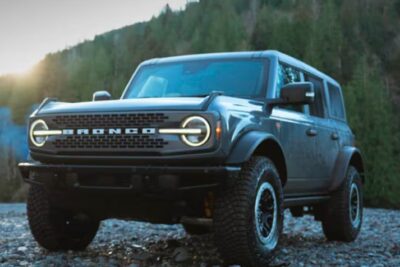
Is the Ford Bronco Better Than the Jeep Wrangler? The Ultimate USA Comparison

Contents in this publication
- Ford Bronco vs Jeep Wrangler: Quick Comparison
- 1. Is the Ford Bronco More Comfortable Than the Jeep Wrangler?
- 2. Ford Bronco vs Jeep Wrangler: Which Is Better Off-Road?
- 3. Ford Bronco vs Jeep Wrangler Engine Performance
- 4. Is the Ford Bronco Better Than the Jeep Wrangler on Gas?
- 5. Ford Bronco vs Jeep Wrangler Reliability
- 6. Which Has the Better Interior: Bronco or Wrangler?
- 7. Is the Ford Bronco Better Than the Jeep Wrangler for Daily Driving?
- 8. Ford Bronco vs Jeep Wrangler in Snow and Winter Conditions
- 9. Which Is Better for Towing: Ford Bronco or Jeep Wrangler?
- 10. Ford Bronco vs Jeep Wrangler Price in the USA
- 11. Which Is Cheaper to Maintain: Bronco or Wrangler?
- 12. Ford Bronco vs Jeep Wrangler Resale Value
- 13. Ford Bronco vs Jeep Wrangler Safety
- 14. Which Is Better: Bronco Badlands or Jeep Wrangler Rubicon?
- 15. Ford Bronco Raptor vs Jeep Wrangler 392
- 16. Pros and Cons of the Ford Bronco
- 17. Pros and Cons of the Jeep Wrangler
- 18. Should You Buy a Ford Bronco or Jeep Wrangler?
- 19. Ford Bronco vs Jeep Wrangler: Which Wins Each Category?
-
Frequently Asked Questions
- 1. Is the Ford Bronco better than the Jeep Wrangler for everyday driving?
- 2. Is the Ford Bronco more reliable than the Jeep Wrangler?
- 3. Is the Ford Bronco better than the Jeep Wrangler off-road?
- 4. Which gets better gas mileage, the Ford Bronco or Jeep Wrangler?
- 5. Is the Ford Bronco worth buying instead of a Jeep Wrangler?
- Final Verdict: Is the Ford Bronco Better Than the Jeep Wrangler?
The Ford Bronco and Jeep Wrangler are two of the most recognizable off-road SUVs in America. Both offer rugged designs, removable roofs, impressive four-wheel-drive systems, and the freedom to explore places where ordinary SUVs struggle.
But is the Ford Bronco better than the Jeep Wrangler?
For many American drivers, the answer is yes. The Ford Bronco generally provides a more comfortable driving experience, more predictable highway handling, and greater cargo capacity. It combines serious off-road capability with everyday practicality, making it particularly attractive to buyers who want one vehicle for commuting, road trips, and weekend adventures.
However, the Jeep Wrangler remains an exceptional choice, especially for enthusiasts who prioritize extreme rock crawling, mechanical simplicity in certain configurations, and extensive aftermarket customization.
The Wrangler also has a lower starting price, while its available naturally aspirated V6 appeals to drivers who prefer an engine without turbocharging.
In this comparison, we'll examine the 2026 Ford Bronco and Jeep Wrangler in the United States, covering everything from engines and off-road performance to reliability, fuel economy, comfort, pricing, and long-term ownership.
Ford Bronco vs Jeep Wrangler: Quick Comparison
Before examining the details, let's compare their main characteristics.
| Feature | 2026 Ford Bronco | 2026 Jeep Wrangler |
|---|---|---|
| Starting MSRP | $41,295 | $36,035 |
| Standard drivetrain | 4WD | 4WD |
| Body styles | 2-door and 4-door | 2-door and 4-door |
| Base engine | 2.3L turbocharged I4 | 3.6L V6 |
| Base-engine horsepower | Up to 300 hp | 285 hp |
| Most powerful engine | 418-hp turbo V6 | 470-hp V8 |
| Front suspension | Independent | Solid axle |
| Maximum towing capacity | 4,500 lbs | 5,000 lbs |
| Available manual transmission | Yes | Yes |
| Removable doors and roof | Yes | Yes |
| Highway comfort | Generally better | More rugged |
| Extreme rock crawling | Excellent | Particularly strong |
| Aftermarket modification options | Extensive | Especially extensive |
Specifications and starting MSRPs refer to the 2026 U.S. models. Engine output, towing capacity, equipment, and capabilities depend on the configuration. Prices exclude applicable taxes, fees, and options.
Our initial verdict: The Bronco offers the better balance between off-road capability and everyday usability, while the Wrangler is particularly appealing for dedicated trail enthusiasts.
1. Is the Ford Bronco More Comfortable Than the Jeep Wrangler?
One of the most noticeable differences between these SUVs appears when driving on paved roads.
Ford Bronco: Better for Everyday Driving
The Ford Bronco uses an independent front suspension, which allows the front wheels to react more independently to bumps and uneven surfaces.
This design generally provides several benefits:
- More controlled steering on highways.
- Better stability over uneven pavement.
- Reduced steering corrections during long drives.
- A less unsettled ride over ordinary road imperfections.
- More confidence when driving at higher speeds.
The Bronco feels more like a modern SUV than the traditional Wrangler, although it remains noticeably more rugged than conventional crossovers.
For someone driving every day through cities such as Dallas, Phoenix, Denver, or Atlanta, these improvements can make a meaningful difference.
Jeep Wrangler: More Traditional and Rugged
The Wrangler uses solid front and rear axles, a design that contributes to its exceptional off-road performance.
However, the same configuration creates compromises during daily driving.
The steering can feel less precise, and the suspension may transfer more movement into the cabin when traveling over damaged pavement.
At highway speeds, the Wrangler can also require more steering corrections, particularly in windy conditions.
That doesn't mean the Wrangler is uncomfortable for everyone. Many owners appreciate its distinctive driving character.
Nevertheless, the Bronco is generally the easier vehicle to live with on paved roads.
Winner: Ford Bronco
2. Ford Bronco vs Jeep Wrangler: Which Is Better Off-Road?
Off-road capability is where this comparison becomes particularly interesting.
Both SUVs are designed to handle difficult terrain, but their strengths are slightly different.
Ford Bronco Off-Road Performance
The Bronco offers an impressive collection of trail-focused features.
Depending on the version, equipment can include:
- Advanced four-wheel-drive systems.
- Front and rear locking differentials.
- Available 35-inch off-road tires.
- High-clearance suspension configurations.
- Trail Control technology.
- Trail Turn Assist.
- Multiple G.O.A.T. driving modes.
- Electronic front stabilizer bar disconnect.
- Protective skid plates.
The G.O.A.T. system, meaning "Goes Over Any Type of Terrain," allows drivers to select settings designed for different conditions.
Depending on the trim, these include Sand, Slippery, Mud/Ruts, Rock Crawl, and Baja-oriented driving modes.
The Bronco Badlands is particularly capable on challenging trails, while the Bronco Raptor specializes in high-performance off-road driving.
Jeep Wrangler Off-Road Performance
The Wrangler takes a more traditional approach to conquering difficult terrain.
Its solid axle suspension allows excellent wheel articulation, helping the wheels remain in contact with uneven ground.
The Wrangler Rubicon is especially impressive thanks to features such as:
- Heavy-duty axles.
- Front and rear locking differentials.
- Electronic sway-bar disconnect.
- Specialized low-range gearing.
- Aggressive off-road tires.
- Reinforced underbody protection.
These characteristics are extremely useful when navigating large rocks, steep inclines, and technical obstacles.
Which Is Better for Rock Crawling?
For highly technical rock crawling, the Wrangler Rubicon generally has an advantage.
Its solid front axle and suspension articulation make it particularly effective when navigating large obstacles slowly.
However, the Bronco Badlands equipped with the appropriate off-road hardware can handle extremely demanding terrain.
Which Is Better for Sand and Desert Driving?
The Bronco becomes particularly attractive when driving over sandy trails and open desert terrain.
Its independent front suspension contributes to better control at higher speeds, and the Bronco Raptor was specifically engineered for demanding high-speed off-road driving.
For desert adventures in Arizona, Nevada, or Southern California, the Bronco can be the more appealing option.
Winner: Jeep Wrangler for technical rock crawling; Ford Bronco for high-speed desert driving.
3. Ford Bronco vs Jeep Wrangler Engine Performance
Both manufacturers offer multiple engines designed to provide different combinations of power, efficiency, and capability.
Ford Bronco Engine Options
The 2026 Bronco lineup includes three main engines.
| Engine | Horsepower | Torque |
|---|---|---|
| 2.3L EcoBoost turbo I4 | Up to 300 hp | 325 lb-ft |
| 2.7L EcoBoost twin-turbo V6 | Up to 330 hp | 415 lb-ft |
| 3.0L EcoBoost twin-turbo V6 | 418 hp | 440 lb-ft |
Ford's maximum advertised engine outputs are based on premium fuel. The 3.0L engine is exclusive to the Bronco Raptor.
The standard 2.3-liter EcoBoost engine offers strong acceleration for an off-road SUV.
It provides enough performance for most daily driving situations and weekend adventures.
The available 2.7-liter V6 delivers considerably more torque, making it particularly attractive for buyers who want stronger acceleration.
The Bronco Raptor's 3.0-liter V6 provides the most aggressive performance in the lineup.
Jeep Wrangler Engine Options
The 2026 Wrangler offers three main gasoline powertrains.
| Engine | Horsepower | Torque |
|---|---|---|
| 2.0L turbocharged I4 | 270 hp | 295 lb-ft |
| 3.6L Pentastar V6 | 285 hp | 260 lb-ft |
| 6.4L HEMI V8 | 470 hp | 470 lb-ft |
The 3.6-liter V6 is a particularly interesting alternative because it doesn't use turbocharging.
Some buyers appreciate its conventional design and established maintenance history.
Meanwhile, the turbocharged four-cylinder provides good low-end torque and competitive fuel efficiency.
At the top of the lineup, the Wrangler 392's naturally aspirated V8 offers more horsepower than the Bronco Raptor.
The Wrangler 4xe plug-in hybrid is also relevant to used-vehicle shoppers, but Jeep has discontinued production of the 4xe models. Limited remaining dealership inventory may still be available.
Which SUV Has the Better Engine?
For buyers looking at mainstream gasoline engines, we generally prefer the Bronco's available 2.7-liter EcoBoost V6 because of its substantial torque.
However, drivers who prefer a naturally aspirated engine may find the Wrangler's 3.6-liter V6 more appealing.
And buyers who simply want maximum factory horsepower should consider the Wrangler's V8.
Winner: Depends on your preferred engine characteristics.
4. Is the Ford Bronco Better Than the Jeep Wrangler on Gas?
Fuel economy is an important consideration because neither vehicle is particularly efficient compared with ordinary midsize SUVs.
Their boxy designs, significant weight, and off-road equipment all contribute to higher fuel consumption.
2026 Ford Bronco Gas Mileage
Representative EPA estimates include:
| Engine and configuration | Combined MPG |
|---|---|
| 2.3L automatic, standard configuration | 20 MPG |
| 2.3L manual, standard configuration | 19 MPG |
| 2.3L Badlands automatic | 18 MPG |
| 2.7L V6 automatic | 17 MPG |
2026 Jeep Wrangler Gas Mileage
| Engine and configuration | Combined MPG |
|---|---|
| 2.0L turbo, 2-door automatic | 21 MPG |
| 2.0L turbo, 4-door automatic | 21 MPG |
| 3.6L V6, 4-door automatic | 20 MPG |
| 3.6L V6, 4-door manual | 19 MPG |
| 6.4L V8 automatic | 14 MPG |
These figures represent EPA estimates for specified configurations. Larger tires, aftermarket modifications, difficult terrain, and aggressive driving can significantly increase fuel consumption.
Which Is More Fuel Efficient?
The Jeep Wrangler has a slight advantage when comparing certain mainstream gasoline configurations.
Its 2.0-liter turbocharged engine can deliver 21 MPG combined, compared with 20 MPG for a standard automatic Bronco with the 2.3-liter engine.
However, the difference is relatively small.
The Bronco's larger turbocharged V6 engines consume noticeably more fuel, making the Wrangler worth considering for buyers who frequently drive long distances.
Winner: Jeep Wrangler, by a small margin in comparable mainstream configurations.
5. Ford Bronco vs Jeep Wrangler Reliability
Reliability is one of the most important factors for anyone considering a vehicle they plan to keep for many years.
Unfortunately, neither SUV is automatically the more reliable choice in every configuration.
Both are complex, off-road-capable vehicles with mechanical systems that require regular maintenance.
Is the Ford Bronco Reliable?
The modern Bronco returned to the American market for the 2021 model year.
As a result, the current generation has a shorter ownership history than the Wrangler nameplate.
Some earlier Bronco vehicles have experienced engine-related problems, component failures, and manufacturer recalls.
However, these issues should not be assumed to affect every production year or engine configuration equally.
When considering a used Bronco, we recommend checking:
- Engine and transmission performance.
- Previous maintenance records.
- Outstanding safety recalls.
- Four-wheel-drive operation.
- Suspension condition.
- Signs of heavy off-road use.
- Water intrusion around removable roof components.
A properly maintained Bronco can provide many years of enjoyable service, but long-term durability depends heavily on the individual vehicle.
Is the Jeep Wrangler Reliable?
The Wrangler has a much longer history, and its engines and mechanical systems have been used across multiple Jeep and Stellantis vehicles.
The naturally aspirated 3.6-liter Pentastar V6 may appeal to drivers who prefer a conventional gasoline engine.
However, Wrangler ownership is not necessarily trouble-free.
Depending on the model year, potential concerns may include electrical problems, steering and suspension wear, cooling-system issues, and roof-related water leaks.
Vehicles that have undergone extensive off-road modifications may also require additional attention.
Which Lasts Longer: Bronco or Wrangler?
There is no reliable basis for guaranteeing that one model will consistently outlast the other.
A well-maintained example of either vehicle may exceed 150,000 miles, and some owners can achieve substantially higher mileage.
However, that is a potential lifespan rather than a guarantee.
Service history, climate, driving habits, previous repairs, and off-road usage make a significant difference.
For used vehicles, we would generally prioritize maintenance records and a professional inspection over brand reputation alone.
Winner: No definitive overall winner.
6. Which Has the Better Interior: Bronco or Wrangler?
Interior design is another area where buyers will notice meaningful differences.
Ford Bronco Interior
The Bronco features a practical, adventure-focused cabin with modern technology.
Depending on the trim, available equipment includes:
- A large central touchscreen.
- Digital driver information displays.
- Smartphone integration.
- Durable seat materials.
- Washout-capable flooring.
- Convenient storage compartments.
- Available heated seats.
- Upgraded sound systems.
The interior design emphasizes usability, with controls intended to remain accessible during outdoor adventures.
Higher trims also introduce additional comfort and convenience equipment.
Jeep Wrangler Interior
The Wrangler combines traditional Jeep styling with increasingly modern technology.
Its interior can include:
- A 12.3-inch Uconnect touchscreen.
- Smartphone connectivity.
- Available heated front seats.
- Premium upholstery on selected trims.
- Available upgraded audio.
- Trail-oriented information displays.
- Numerous personalization options.
The Wrangler's cabin has improved significantly over the years.
Nevertheless, its narrow body proportions and traditional design can feel less spacious than those of the Bronco.
Which Has More Cargo Space?
The Bronco has a particularly important advantage for families and travelers.
In four-door configurations, the Bronco offers up to approximately 38.3 cubic feet of cargo capacity behind the rear seats, depending on the roof configuration.
A four-door Wrangler provides approximately 31.7 cubic feet.
With the rear seats folded, selected Bronco configurations can provide up to 83 cubic feet, compared with approximately 72.4 cubic feet in the Wrangler.
This extra capacity is useful for camping equipment, luggage, outdoor gear, and everyday shopping.
Winner: Ford Bronco for cargo practicality and overall interior space.
7. Is the Ford Bronco Better Than the Jeep Wrangler for Daily Driving?
If you're planning to use one of these vehicles as your primary transportation, this category deserves particular attention.
The Bronco is generally the better daily driver.
Its suspension design and steering characteristics provide a more manageable experience during commuting and highway travel.
The Bronco also offers useful cargo space and a relatively spacious cabin.
However, we should emphasize that neither SUV drives like a typical family crossover.
Both have substantial road noise, relatively high fuel consumption, large exterior dimensions, and compromised aerodynamics.
Why Some Drivers Still Prefer the Wrangler
The Wrangler offers something that cannot be measured entirely through comfort ratings.
Its distinctive appearance, removable doors, fold-down windshield, and longstanding off-road heritage create a unique ownership experience.
Many owners actively enjoy its rugged driving characteristics.
For those buyers, the Wrangler's traditional feel may be part of the attraction rather than a disadvantage.
Winner: Ford Bronco
8. Ford Bronco vs Jeep Wrangler in Snow and Winter Conditions
Both SUVs can be excellent winter vehicles when equipped with appropriate tires.
Their four-wheel-drive systems help provide traction on slippery roads, while their ground clearance is useful when navigating deeper snow.
The Bronco's more composed road manners may make it easier to drive on snowy highways.
The Wrangler's solid axles and available locking differentials can be particularly useful in difficult off-road conditions.
However, winter performance depends heavily on tire selection.
Dedicated winter tires may provide substantially better braking and cornering grip than aggressive mud-terrain tires.
It's also important to remember that four-wheel drive improves the ability to accelerate on slippery surfaces but does not eliminate stopping-distance limitations.
For typical winter commuting in states such as Colorado, Michigan, or Wisconsin, we'd slightly favor the Bronco's everyday handling.
For specialized winter trail exploration, either vehicle can perform exceptionally well with the right equipment.
9. Which Is Better for Towing: Ford Bronco or Jeep Wrangler?
Neither SUV is designed primarily for heavy-duty towing.
However, both can handle certain small trailers and recreational equipment when properly configured.
Ford Bronco Towing Capacity
Most 2026 Bronco models offer a maximum towing capacity of approximately 3,500 pounds when properly equipped.
The Bronco Raptor increases that maximum to 4,500 pounds.
Jeep Wrangler Towing Capacity
The Wrangler offers a maximum available towing capacity of up to 5,000 pounds on properly equipped four-door Rubicon configurations.
Other Wrangler configurations have lower towing limits.
This gives the Wrangler an advantage when comparing the maximum available manufacturer ratings.
Nevertheless, buyers should always verify the precise towing rating for the vehicle's engine, transmission, axle configuration, and installed towing equipment.
Payload capacity and trailer tongue weight also matter.
Winner: Jeep Wrangler for maximum available towing capacity.
10. Ford Bronco vs Jeep Wrangler Price in the USA
Pricing is an important factor when deciding which SUV offers better value.
For the 2026 model year, the Jeep Wrangler has the lower starting MSRP.
| Model | Starting MSRP |
|---|---|
| Ford Bronco Base | $41,295 |
| Ford Bronco Big Bend | $41,995 |
| Ford Bronco Outer Banks | $48,190 |
| Ford Bronco Badlands | $48,890 |
| Jeep Wrangler Sport | $36,035 |
| Jeep Wrangler Sport S | $39,685 |
| Jeep Wrangler Willys | $43,755 |
| Jeep Wrangler Rubicon | $46,610 |
Manufacturer-advertised starting prices are subject to change. Taxes, destination charges, additional packages, and dealership pricing can affect the final amount.
Is the Bronco Worth the Extra Money?
For drivers who prioritize everyday comfort and interior space, we think the Bronco's higher starting price may be justified.
However, the Wrangler Sport gives buyers access to a genuine four-wheel-drive off-road vehicle at a lower initial cost.
The Wrangler Rubicon also offers serious trail equipment at a competitive price compared with similarly capable Bronco configurations.
Rather than comparing only the base MSRPs, buyers should evaluate the features included in specific trims.
Winner: Jeep Wrangler for lower entry pricing.
11. Which Is Cheaper to Maintain: Bronco or Wrangler?
Maintenance costs depend on several factors, including engine selection, tire size, driving conditions, and local labor rates.
Both SUVs require regular attention to:
- Engine oil and filters.
- Brake pads and rotors.
- Tires and alignment.
- Suspension components.
- Differential fluids.
- Transfer case servicing.
- Cooling systems.
- Four-wheel-drive components.
The Wrangler's long production history means there is an established network of specialists familiar with its design.
Its extensive aftermarket can also make certain replacement parts and modifications easier to source.
The Bronco benefits from Ford's widespread American dealership network and parts availability.
However, its turbocharged engines require appropriate oil quality and maintenance discipline.
Do Off-Road Modifications Increase Maintenance Costs?
Absolutely.
Larger tires, suspension lifts, locking differentials, and additional vehicle weight can increase wear on mechanical components.
Frequent rock crawling or desert driving may also accelerate the deterioration of suspension components and underbody protection.
For drivers looking to minimize ownership expenses, a mostly stock vehicle with moderate tire sizes is generally more sensible than a heavily modified example.
We wouldn't declare either SUV consistently cheaper to maintain without comparing the specific engines, configurations, and repair records.
12. Ford Bronco vs Jeep Wrangler Resale Value
Resale value matters because both vehicles can represent substantial financial investments.
The Wrangler has traditionally enjoyed strong demand in the American used-vehicle market.
Its recognizable design, enthusiast following, and longstanding reputation help support resale interest.
The Bronco also benefits from a distinctive design and substantial demand among outdoor enthusiasts.
However, resale value can vary significantly depending on:
- Model year and mileage.
- Vehicle condition.
- Engine selection.
- Trim level.
- Geographic location.
- Accident history.
- Aftermarket modifications.
- Market conditions.
Specialized off-road trims may attract enthusiastic buyers, but expensive modifications do not necessarily increase resale value by their full cost.
If resale value is a major concern, we recommend checking current used-market transaction prices for comparable vehicles rather than assuming one brand always depreciates less.
13. Ford Bronco vs Jeep Wrangler Safety
Safety deserves careful consideration, particularly for families planning to use either SUV as everyday transportation.
Both manufacturers offer modern safety equipment, although availability depends on the trim and option packages.
Potential features include automatic emergency braking, blind-spot monitoring, rear cross-traffic alerts, and driver-assistance technology.
However, the rugged body-on-frame construction, relatively high center of gravity, and removable body components mean these vehicles have different characteristics from conventional family SUVs.
Crash-test results also vary by the test being evaluated.
For the 2026 four-door models, Insurance Institute for Highway Safety testing shows that neither vehicle dominates every crashworthiness category.
The Bronco has performed well in the small-overlap front and updated side tests, while the Wrangler has achieved strong results in the updated moderate-overlap front and side evaluations.
Before purchasing, we recommend reviewing the ratings for the exact model year and body style, along with the installed safety equipment.
Neither vehicle should be considered automatically safer in every type of collision.
14. Which Is Better: Bronco Badlands or Jeep Wrangler Rubicon?
This is one of the most interesting comparisons for serious off-road enthusiasts.
Both trims are engineered for demanding terrain.
Ford Bronco Badlands Advantages
The Bronco Badlands offers:
- Advanced off-road suspension.
- Front stabilizer bar disconnect.
- Available Sasquatch Package.
- Strong turbocharged engine options.
- Specialized terrain management modes.
- More composed on-road driving.
It's an excellent choice for someone who enjoys difficult trails but also regularly drives long distances.
Jeep Wrangler Rubicon Advantages
The Wrangler Rubicon offers:
- Solid front and rear axles.
- Excellent suspension articulation.
- Front and rear differential lockers.
- Electronic sway-bar disconnect.
- Specialized low-range gearing.
- Extensive aftermarket support.
It's especially attractive to drivers who frequently encounter large rocks and extremely technical obstacles.
Our Choice
For a vehicle that will spend most of its time on highways and occasional weekends on demanding trails, we'd select the Bronco Badlands.
For an SUV dedicated to rock crawling and technical off-road exploration, we'd lean toward the Wrangler Rubicon.
Both are extremely capable when properly equipped.
15. Ford Bronco Raptor vs Jeep Wrangler 392
At the high-performance end of the market, the comparison becomes even more specialized.
The Bronco Raptor uses a 3.0-liter twin-turbocharged V6 producing 418 horsepower.
It's designed around high-speed off-road stability, upgraded suspension travel, and aggressive desert performance.
The Wrangler 392 uses a naturally aspirated 6.4-liter V8 producing 470 horsepower.
Its appeal centers on powerful acceleration, V8 character, and distinctive off-road capability.
Which One Is Better?
For fast driving over rough desert terrain, the Bronco Raptor is the more natural choice.
Its suspension and chassis design are particularly well suited to that environment.
For buyers who value V8 performance, engine sound, and strong acceleration, the Wrangler 392 has a distinctive appeal.
Fuel economy is a major consideration with both vehicles, particularly the V8-powered Wrangler.
These are specialized performance SUVs rather than cost-effective daily transportation.
16. Pros and Cons of the Ford Bronco
Advantages
- Generally better highway handling.
- More refined steering feel.
- Excellent off-road capability.
- Strong turbocharged engine options.
- Greater cargo space in comparable four-door configurations.
- Advanced terrain management technology.
- Available high-performance Raptor model.
- Removable doors and roof.
Disadvantages
- Higher starting price.
- Fuel economy can be disappointing.
- Turbocharged engine complexity.
- Noticeable wind and road noise.
- Some configurations are particularly wide.
- Certain off-road packages substantially increase the purchase price.
17. Pros and Cons of the Jeep Wrangler
Advantages
- Excellent technical rock-crawling capability.
- Lower starting MSRP.
- Available naturally aspirated V6.
- Available V8 performance.
- Extensive aftermarket modification options.
- Strong enthusiast community.
- Removable doors, roof, and fold-down windshield.
- Long-established off-road heritage.
Disadvantages
- Less precise highway steering.
- Firm suspension characteristics.
- Significant wind noise.
- Less cargo space in comparable four-door versions.
- Some safety and convenience features are optional.
- Heavy modifications can increase ownership costs.
- High-performance models can be particularly expensive to operate.
18. Should You Buy a Ford Bronco or Jeep Wrangler?
Ultimately, the better SUV depends on how you plan to use it.
Buy the Ford Bronco If:
- You need an SUV for commuting and weekend adventures.
- You regularly drive on highways.
- You want more predictable steering and handling.
- You frequently travel with luggage or camping equipment.
- You prefer modern off-road driving technology.
- You enjoy sand dunes and desert trails.
- You want an excellent balance between capability and practicality.
Buy the Jeep Wrangler If:
- You regularly tackle demanding rocky trails.
- You prefer traditional solid axle suspension.
- You want extensive customization possibilities.
- You appreciate naturally aspirated engines.
- You want the lowest possible entry price.
- You value the Wrangler's heritage and distinctive design.
- You're interested in the Rubicon's specialized off-road hardware.
For most buyers who won't be rock crawling every weekend, we believe the Bronco makes more sense.
However, the Wrangler remains a compelling choice when serious trail performance and traditional Jeep characteristics are central to the buying decision.
19. Ford Bronco vs Jeep Wrangler: Which Wins Each Category?
| Category | Our Preferred SUV |
|---|---|
| Daily driving | Ford Bronco |
| Highway handling | Ford Bronco |
| Ride comfort | Ford Bronco |
| Cargo capacity | Ford Bronco |
| Technical rock crawling | Jeep Wrangler |
| High-speed desert driving | Ford Bronco |
| Starting price | Jeep Wrangler |
| Mainstream gasoline MPG | Jeep Wrangler, slightly |
| Maximum available towing | Jeep Wrangler |
| Aftermarket customization | Jeep Wrangler |
| Naturally aspirated engine options | Jeep Wrangler |
| Engine torque in mainstream turbo V6 configurations | Ford Bronco |
| Long-term reliability | No clear winner |
| Overall versatility | Ford Bronco |
This comparison illustrates why the two SUVs appeal to slightly different buyers.
The Wrangler retains important advantages for enthusiasts, but the Bronco provides a compelling blend of capability, practicality, and everyday driving characteristics.
Frequently Asked Questions
1. Is the Ford Bronco better than the Jeep Wrangler for everyday driving?
Yes, the Ford Bronco is generally better for everyday driving. Its independent front suspension provides more composed highway behavior and more predictable steering than the Wrangler's traditional solid front axle. It also offers more cargo space in comparable four-door configurations. However, both vehicles remain noisier and less fuel-efficient than conventional SUVs.
2. Is the Ford Bronco more reliable than the Jeep Wrangler?
There is no definitive evidence that the Ford Bronco is consistently more reliable than the Jeep Wrangler across all model years and configurations. Both have experienced recalls and mechanical issues. The Wrangler has a longer ownership history, while the modern Bronco is relatively newer. Proper maintenance and vehicle condition are important factors for either SUV.
3. Is the Ford Bronco better than the Jeep Wrangler off-road?
It depends on the terrain. The Jeep Wrangler Rubicon is particularly effective for technical rock crawling because of its solid axles and excellent articulation. The Ford Bronco is highly capable on challenging trails and can offer advantages for faster off-road driving, especially in Raptor form. Neither vehicle is universally superior across every type of terrain.
4. Which gets better gas mileage, the Ford Bronco or Jeep Wrangler?
The Jeep Wrangler generally has a slight advantage in certain mainstream gasoline configurations. For example, the 2026 Wrangler with the 2.0-liter turbocharged engine achieves an EPA-estimated 21 MPG combined, while the standard automatic Bronco with the 2.3-liter engine achieves approximately 20 MPG combined. Actual consumption depends on equipment, tires, and driving conditions.
5. Is the Ford Bronco worth buying instead of a Jeep Wrangler?
For many American buyers, yes. The Bronco offers a strong combination of off-road performance, interior practicality, modern features, and improved road manners. However, if you prioritize extreme rock crawling, a lower initial purchase price, or Jeep's extensive customization ecosystem, the Wrangler may be the better investment for your needs.
Final Verdict: Is the Ford Bronco Better Than the Jeep Wrangler?
After comparing their engines, driving characteristics, off-road performance, reliability considerations, fuel economy, pricing, and practicality, we believe the Ford Bronco is the better all-around SUV for many American drivers.
Its biggest advantage isn't necessarily horsepower or extreme off-road performance. Instead, it's the way the Bronco combines adventure-ready capability with a more manageable everyday driving experience.
It feels more composed on highways, offers generous cargo space, and provides advanced off-road technology without forcing buyers to accept quite as many traditional SUV compromises.
The Jeep Wrangler, however, remains one of the best choices for serious rock-crawling enthusiasts. Its solid axles, specialized Rubicon equipment, extensive aftermarket, and recognizable character make it particularly appealing to dedicated off-road drivers.
Our recommendation is straightforward:
Choose the Ford Bronco if you want an off-road SUV that also works well as your everyday vehicle. Choose the Jeep Wrangler if serious rock crawling, traditional 4x4 engineering, and customization matter more than on-road refinement.
Both are excellent adventure vehicles, but for the average American buyer who wants to enjoy weekday commuting and weekend exploring in the same SUV, the Ford Bronco has the stronger overall appeal.
If you want to see other articles similar to Is the Ford Bronco Better Than the Jeep Wrangler? The Ultimate USA Comparison you can visit the Compare category.
Ford Bronco 4 Cylinder vs 6 Cylinder: Which Engine Should You Buy?
2026 Ford Bronco MPG: Fuel Economy, Engines, Trims, and Real-World Expectations
Ford Bronco Hard Top vs Soft Top: Which Roof Is Better?
Ford Bronco Outer Banks vs Badlands: Which Trim Should You Buy?
Ford Bronco Gas Type USA: Complete Fuel Guide
Ford Bronco Pros and Cons: Complete Buyer’s Guide
Leave a Reply
Related Topics