
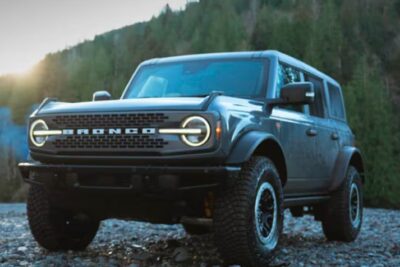
Are Ford Broncos Good Cars? Reliability, Pros, Cons, and Buying Guide in the USA

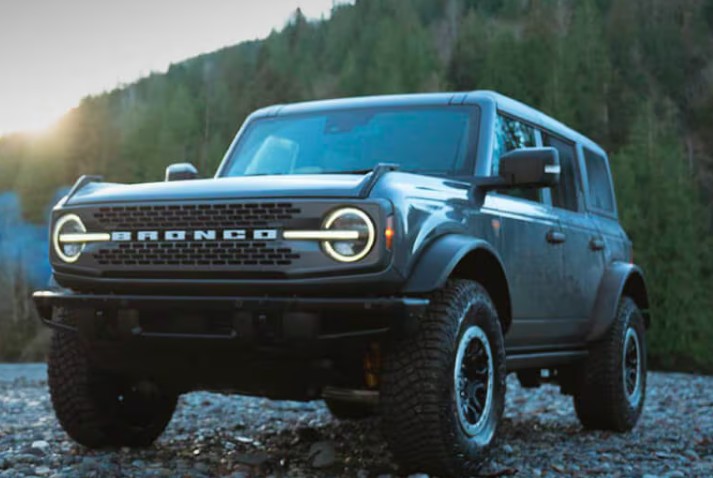
Contents in this publication
- Are Ford Broncos Actually Good Vehicles?
- Ford Bronco Pros and Cons
- Are Ford Broncos Reliable?
- Common Ford Bronco Problems
- Is the Ford Bronco Good for Daily Driving?
- Ford Bronco Fuel Economy in the USA
- Ford Bronco Performance and Off-Road Capability
- Are Ford Broncos Safe Cars?
- Ford Bronco Maintenance Costs
- Ford Bronco vs Jeep Wrangler: Which Is Better?
- Ford Bronco vs Toyota 4Runner
- Which Ford Bronco Trim Is Best?
- Is Buying a Used Ford Bronco a Good Idea?
- Are Ford Broncos Worth the Money in 2026?
- Ford Bronco vs Ford Bronco Sport: Are They the Same?
- Final Verdict: Are Ford Broncos Good Cars in the USA?
- Frequently Asked Questions About Ford Bronco Reliability and Ownership
Are Ford Broncos good cars? If you're considering buying one in the United States, you've probably wondered whether this rugged SUV is actually worth the money or whether its adventurous styling comes with too many compromises.
The short answer is yes, Ford Broncos are good vehicles, particularly for drivers who enjoy off-roading, outdoor adventures, and distinctive SUV styling. However, they aren't necessarily the best choice for someone who prioritizes fuel efficiency, long-term reliability, or a quiet highway driving experience.
Since returning to the American market for the 2021 model year, the Ford Bronco has become one of the most recognizable off-road SUVs available. Its boxy design, removable roof panels, advanced four-wheel-drive systems, and powerful EcoBoost engines make it a serious competitor to the Jeep Wrangler.
But there's more to owning a Bronco than its appearance and trail capabilities.
In this guide, we'll examine Ford Bronco reliability, driving performance, fuel economy, maintenance expenses, common problems, safety, and overall ownership value to determine whether buying one makes sense in the USA.
Are Ford Broncos Actually Good Vehicles?
Overall, the Ford Bronco is an excellent SUV for its intended purpose: combining impressive off-road performance with enough everyday practicality to serve as a regular vehicle.
Unlike many traditional crossovers, the Bronco uses body-on-frame construction, which contributes to its rugged character and ability to handle challenging terrain.
Every full-size Bronco comes with four-wheel drive, and buyers can choose between two-door and four-door configurations depending on their needs.
Some of its most appealing characteristics include:
- Excellent off-road capability.
- Distinctive retro-inspired styling.
- Powerful turbocharged engine options.
- Available manual transmission.
- Removable doors and roof panels.
- Advanced terrain management technology.
- Strong aftermarket customization support.
- Practical four-door configurations for families.
Nevertheless, the Bronco also has weaknesses.
Its fuel consumption is relatively high, highway wind noise can be noticeable, and certain model years have experienced significant recalls.
For American buyers, the important question isn't simply whether the Bronco is a good vehicle. It's whether its strengths match their driving needs.
Ford Bronco Pros and Cons
Before purchasing a Bronco, we should consider both its advantages and disadvantages.
| Advantages | Disadvantages |
|---|---|
| Exceptional off-road capability | Below-average predicted reliability |
| Distinctive exterior styling | Relatively poor fuel economy |
| Available powerful V6 engines | Noticeable highway wind noise |
| Removable roof and doors | Expensive upper trim levels |
| Comfortable four-door configuration | Large tires can increase ownership costs |
| Extensive customization options | Some significant recalls |
| Available manual transmission | Less refined than conventional SUVs |
| Strong adventure-oriented features | Modest towing capacity |
The Bronco's biggest advantage is that it offers a driving experience most ordinary SUVs cannot match.
Its main disadvantage is that buyers must accept certain everyday compromises to enjoy those capabilities.
Are Ford Broncos Reliable?
Reliability is one of the most important considerations when purchasing any vehicle, especially an SUV expected to handle difficult terrain.
Unfortunately, reliability is not currently the Ford Bronco's strongest selling point.
Consumer Reports predicts that the 2026 Ford Bronco will be less reliable than the average new vehicle, based on reliability information from recent model years.
This doesn't mean every Bronco will develop serious mechanical issues. Many owners have positive experiences, particularly when their vehicles receive proper maintenance.
However, it does indicate that buyers should approach the Bronco with more caution than they might approach certain conventional SUVs with stronger reliability records.
Ford Bronco Engine Reliability
The modern Ford Bronco offers several turbocharged gasoline engines.
2.3L EcoBoost four-cylinder
This is the standard engine on many Bronco configurations. It produces up to approximately 300 horsepower when using premium fuel.
It provides sufficient acceleration for daily driving and off-road adventures without requiring buyers to upgrade to a V6.
For drivers who don't need maximum performance, the 2.3L EcoBoost is a sensible option.
2.7L EcoBoost V6
The available 2.7L twin-turbocharged V6 produces up to approximately 330 horsepower and delivers substantially more torque than the four-cylinder.
It's particularly appealing for drivers interested in larger tires, additional equipment, and stronger acceleration.
However, certain early-production 2.7L engines were affected by an intake-valve defect that could cause catastrophic engine failure.
This makes service records and recall verification particularly important when purchasing an early Bronco with this engine.
3.0L EcoBoost V6
Reserved for the Bronco Raptor, the 3.0L twin-turbocharged V6 delivers approximately 418 horsepower.
It provides outstanding performance but comes with higher fuel consumption and potentially greater maintenance expenses.
How Long Do Ford Broncos Last?
There isn't enough long-term evidence to establish a dependable average lifespan for the modern Bronco generation introduced in 2021.
A properly maintained example may provide many years of service, but reaching 150,000 or 200,000 miles shouldn't be considered guaranteed.
Several factors affect longevity:
- Oil changes and maintenance history.
- Engine and transmission condition.
- Frequency of off-road driving.
- Exposure to mud, water, and road salt.
- Driving habits.
- Quality of previous repairs.
- Tire and suspension modifications.
A Bronco used primarily for commuting may experience considerably less mechanical stress than one regularly driven over rocky trails.
Common Ford Bronco Problems
Although the Bronco offers impressive capabilities, prospective owners should understand the issues that have affected some vehicles.
1. Engine Problems and Recalls
Certain 2021–2022 Ford Broncos equipped with affected 2.7L EcoBoost engines were included in a recall involving potentially defective engine intake valves.
If a valve fractures, it can cause severe internal engine damage and a sudden loss of power.
Not every vehicle from those years is affected, and recall eligibility depends on its specific identification number and production details.
Additionally, a 2026 recall covered certain 2021–2026 Broncos because of engine-compartment wiring that could become damaged and potentially create a fire risk.
Before buying any used Bronco, checking its VIN for outstanding safety recalls is essential.
2. Roof Noise and Water Leaks
Some owners have reported excessive wind noise, rattling, or water intrusion around removable roof components.
The Bronco's removable roof is one of its most attractive features, but it also introduces additional sealing and fitment considerations.
These problems can become particularly noticeable during heavy rain or extended highway driving.
3. Transmission Concerns
Some Bronco owners have described unusual shifting behavior, mechanical noise, or transmission-related concerns.
These reports don't mean every Bronco transmission is defective.
Nevertheless, a proper test drive should include low-speed maneuvers, highway acceleration, and careful attention to unusual sounds or hesitation.
4. Electrical and Infotainment Issues
Modern Broncos contain numerous electronic systems, including digital displays, cameras, sensors, and infotainment technology.
Potential complaints include temporary screen glitches, connectivity problems, or warning messages.
Software updates can resolve certain issues, although not every electrical fault is software-related.
5. Suspension and Steering Wear
Off-road driving places considerable demands on suspension components, steering systems, and tires.
Vehicles regularly used on difficult trails can experience accelerated wear.
This is especially relevant when purchasing a used Bronco with oversized aftermarket tires or modified suspension components.
Is the Ford Bronco Good for Daily Driving?
Yes, the Ford Bronco can be a good daily driver, especially in its four-door configuration.
Despite its rugged construction, it offers reasonable comfort, modern technology, and a driving position that provides excellent visibility.
The Bronco also has independent front suspension, which helps provide more controlled road manners than some traditional solid-axle off-road vehicles.
However, its everyday performance depends heavily on the configuration.
City Driving
In urban environments, the Bronco offers several advantages.
Its elevated seating position makes it easier to see surrounding traffic, while the available automatic transmission makes commuting relatively convenient.
Nevertheless, parking can become challenging with larger tires, wider configurations, and accessories.
Fuel consumption is another disadvantage for drivers frequently dealing with stop-and-go traffic.
Highway Driving
The Bronco is capable of comfortable highway travel, but it isn't as quiet or refined as many conventional SUVs.
Its upright windshield, boxy body, removable roof construction, and available aggressive tires can contribute to noticeable wind and road noise.
For drivers who frequently travel long distances on American highways, this may become tiring.
If highway comfort is your main priority, alternatives such as the Honda Passport or certain Toyota 4Runner configurations may deserve consideration.
Is the Ford Bronco Comfortable?
Generally, yes.
The four-door Bronco provides practical seating for five passengers, with enough room for many families.
Front seats offer a commanding driving position, and the interior is designed around durability and functionality.
However, the ride can feel firmer with larger off-road tires, and the cabin materials prioritize toughness over luxury in many configurations.
Ford Bronco Fuel Economy in the USA
Fuel economy is one of the Bronco's most significant disadvantages.
Its substantial weight, four-wheel-drive system, aerodynamic design, and available off-road tires contribute to relatively high fuel consumption.
For the 2026 model year, EPA estimates for representative configurations include:
| Ford Bronco Configuration | Combined MPG |
|---|---|
| 2.3L EcoBoost automatic 4WD | 20 MPG |
| 2.3L EcoBoost manual 4WD | 19 MPG |
| 2.7L EcoBoost automatic 4WD | 17 MPG |
| 2.3L Badlands automatic 4WD | 18 MPG |
| 2.3L Badlands manual 4WD | 17 MPG |
Actual figures vary depending on equipment, tires, driving conditions, and vehicle configuration.
Is the Ford Bronco Expensive on Gas?
Compared with most conventional midsize SUVs, yes.
For example, a Bronco averaging 20 MPG and traveling 12,000 miles annually would consume approximately 600 gallons of gasoline.
At an illustrative gasoline price of $3.50 per gallon, that represents an annual fuel expense of approximately $2,100.
A configuration averaging 17 MPG would consume about 706 gallons under the same conditions, costing approximately $2,471 annually.
These examples exclude variations in local gasoline prices, traffic, and driving habits.
Drivers who commute long distances should calculate their expected fuel expenses before purchasing.
Ford Bronco Performance and Off-Road Capability
Off-road performance is where the Bronco truly stands out.
Ford designed this SUV to compete directly with some of the most capable factory-built off-road vehicles available in America.
Advanced Four-Wheel Drive
Every full-size Ford Bronco features a four-wheel-drive system.
Depending on the configuration, additional equipment may include:
- Front and rear locking differentials.
- Specialized off-road suspension.
- Electronic front stabilizer-bar disconnect.
- Advanced transfer-case capabilities.
- Heavy-duty underbody protection.
- Larger all-terrain or mud-terrain tires.
These features help the Bronco handle difficult terrain that would challenge many conventional SUVs.
G.O.A.T. Modes
One of the Bronco's most recognizable technologies is its G.O.A.T. Modes terrain management system.
The name stands for "Goes Over Any Type of Terrain."
Available driving modes depend on the trim level and may include settings for conditions such as sand, mud, slippery surfaces, rocks, or higher-performance driving.
These modes adjust vehicle systems to improve performance under different conditions.
Sasquatch Package
The available Sasquatch Package is particularly attractive for serious off-road enthusiasts.
Depending on the model year and configuration, it adds equipment such as larger tires, upgraded suspension components, locking differentials, and other trail-focused enhancements.
However, buyers should remember that extreme off-road equipment can negatively affect fuel economy, road noise, and everyday comfort.
Are Ford Broncos Safe Cars?
The Ford Bronco provides several modern safety technologies and has performed well in some important crash tests.
The Insurance Institute for Highway Safety rated the 2025 four-door Bronco Good in its small-overlap frontal and updated side-impact evaluations.
However, it received a Marginal rating in the updated moderate-overlap frontal crash test.
Headlight performance and certain crash-prevention evaluations also received ratings below Good.
These results demonstrate that the Bronco offers meaningful crash protection, but its safety performance isn't uniformly excellent across every category.
Available safety equipment varies by model year and trim and can include:
- Automatic emergency braking.
- Forward collision warning.
- Blind-spot monitoring.
- Lane-keeping assistance.
- Rear parking sensors.
- Rearview camera.
- Automatic high-beam headlights.
Before purchasing, buyers should verify the equipment installed on their specific vehicle.
Ford Bronco Maintenance Costs
Are Ford Broncos expensive to maintain?
Generally, a Bronco can cost more to maintain than an ordinary compact crossover, particularly when equipped with specialized off-road hardware.
However, maintenance costs depend significantly on how the vehicle is used.
A Bronco driven primarily on paved roads may have relatively predictable routine maintenance expenses.
One that regularly encounters rocks, mud, deep water, or extreme terrain may require more frequent inspections and repairs.
Common Maintenance Requirements
Routine maintenance includes:
- Engine oil and filter changes.
- Tire rotations and tire replacement.
- Brake inspections and servicing.
- Engine air filter replacement.
- Transmission and drivetrain inspections.
- Differential and transfer-case maintenance.
- Cooling-system inspections.
- Suspension and steering checks.
Drivers should follow Ford's maintenance recommendations and the vehicle's oil-life monitoring system, accounting for severe driving conditions when applicable.
Are Bronco Repairs Expensive?
They can be.
Large all-terrain tires, advanced four-wheel-drive components, specialized suspension systems, and turbocharged engines can make certain repairs expensive.
Insurance premiums may also be higher for more expensive configurations.
Before purchasing, it's worth obtaining estimates for insurance and common replacement items in your area.
Ford Bronco vs Jeep Wrangler: Which Is Better?
The Ford Bronco and Jeep Wrangler are direct competitors in the American SUV market.
Both emphasize off-road capability, removable body components, and strong enthusiast communities.
| Feature | Ford Bronco | Jeep Wrangler |
|---|---|---|
| Off-road capability | Excellent | Excellent |
| Highway handling | Generally more composed | More traditional off-road feel |
| Front suspension | Independent | Solid axle |
| Removable roof and doors | Yes | Yes |
| Engine choices | Turbocharged gasoline engines | Broader powertrain choices in some model years |
| Customization | Extensive | Extensive |
| Daily driving comfort | Competitive for an off-roader | Depends heavily on configuration |
| Fuel economy | Generally modest | Varies significantly by powertrain |
Which SUV Should You Buy?
We would lean toward the Ford Bronco for someone who wants strong off-road capability with relatively controlled handling on paved roads.
The Jeep Wrangler may be more appealing to buyers who prefer its traditional solid-axle construction and established off-road modification ecosystem.
Neither vehicle is the obvious choice for someone whose primary concerns are quiet highway travel and low operating expenses.
Ford Bronco vs Toyota 4Runner
The Toyota 4Runner is another major alternative for American SUV buyers.
Both vehicles emphasize rugged construction and genuine off-road capability.
However, their design philosophies differ.
The Ford Bronco places considerable emphasis on open-air driving, removable doors, customization, and adventure-oriented styling.
The Toyota 4Runner uses a more conventional SUV body configuration, which may appeal to families looking for a permanent roof and traditional everyday practicality.
Toyota's established reputation for durability is also attractive to buyers prioritizing long-term ownership, although the redesigned 4Runner's long-term reliability must be evaluated independently of older generations.
Which Is Better for Long-Term Ownership?
For drivers who strongly prioritize dependability and everyday utility, the 4Runner deserves serious consideration.
For buyers who want removable doors, distinctive styling, and a highly customizable off-road vehicle, the Bronco has advantages the Toyota doesn't offer.
The better choice depends on how the SUV will be used.
Which Ford Bronco Trim Is Best?
Choosing the right trim is important because the Bronco lineup offers significant differences in equipment, price, and comfort.
Ford Bronco Base
The Base trim is attractive for buyers who want the essential Bronco experience without purchasing numerous luxury features.
It's also a good starting point for drivers interested in adding their own aftermarket accessories.
Ford Bronco Big Bend
The Big Bend offers a useful balance between affordability, everyday features, and adventure capability.
For many buyers, it represents one of the most sensible configurations in the lineup.
Ford Bronco Outer Banks
The Outer Banks is geared toward drivers who want Bronco styling and capability with additional comfort and appearance features.
It's especially appealing for those who spend most of their time driving on paved roads.
Ford Bronco Badlands
The Badlands focuses more heavily on serious off-road performance.
Its upgraded hardware makes it attractive for drivers who regularly tackle difficult trails.
Ford Bronco Raptor
The Bronco Raptor is the highest-performance model, featuring a powerful 3.0L EcoBoost V6, specialized suspension, and extensive off-road enhancements.
It's an impressive machine, but its purchase price and operating costs make it unnecessary for most everyday drivers.
Our Preferred Bronco Configuration
For a typical American buyer who wants a combination of adventure capability and daily practicality, we would consider the four-door Big Bend with the 2.3L EcoBoost engine.
It offers much of what makes the Bronco appealing without requiring the expense of the highest trim levels.
Drivers who prioritize comfort and convenience should also consider the Outer Banks.
Is Buying a Used Ford Bronco a Good Idea?
Buying a used Bronco can make financial sense, especially if the purchase price is substantially below that of an equivalent new vehicle.
However, buyers should inspect used examples carefully.
The Bronco's popularity among off-road enthusiasts means some vehicles may have experienced demanding driving conditions.
A clean exterior doesn't guarantee that the suspension, drivetrain, or underside is free from damage.
What to Check Before Buying a Used Bronco
We recommend paying particular attention to:
- Vehicle history and maintenance records.
- Outstanding safety recalls.
- Engine and transmission condition.
- Signs of previous off-road damage.
- Suspension and steering components.
- Roof seals and evidence of water intrusion.
- Tire wear and wheel alignment.
- Aftermarket modifications.
- Four-wheel-drive functionality.
- Warranty coverage and previous repairs.
A professional pre-purchase inspection is particularly valuable for modified vehicles.
Are Older Ford Broncos Worth Buying?
The modern Bronco returned for 2021, making the earliest examples relatively recent compared with many established SUV nameplates.
Certain early-production models have experienced problems and recalls that prospective buyers should investigate.
However, it would be misleading to assume every 2021 or 2022 Bronco is unreliable.
Condition, service history, engine configuration, production date, and completed repairs all matter.
A properly maintained older Bronco with documented repairs may be a better purchase than a newer example that has been abused off-road.
Are Ford Broncos Worth the Money in 2026?
The Ford Bronco occupies a relatively specialized position in the SUV market.
With 2026 U.S. starting prices around $41,000 for the Base model before additional fees and options, it's a substantial investment.
Higher trims can cost considerably more, particularly when equipped with advanced off-road packages or performance upgrades.
The Bronco delivers meaningful value if buyers regularly use its special capabilities.
For example, someone who enjoys exploring mountain trails in Colorado, visiting off-road parks in Utah, or driving on sandy routes may appreciate its equipment.
But drivers who rarely leave paved roads may find that a conventional SUV provides greater comfort and lower operating costs.
Who Should Buy a Ford Bronco?
A Bronco makes sense for drivers who:
- Enjoy off-roading and outdoor adventures.
- Want a distinctive, rugged SUV.
- Appreciate removable roof panels and doors.
- Need genuine four-wheel-drive capability.
- Value customization and aftermarket accessories.
- Accept higher fuel and maintenance expenses.
Who Should Avoid a Ford Bronco?
Other vehicles may be more suitable for buyers who:
- Prioritize maximum fuel efficiency.
- Want exceptionally quiet highway driving.
- Need the strongest possible predicted reliability.
- Want minimal maintenance expenses.
- Frequently tow heavy trailers.
- Rarely take advantage of off-road features.
Ford Bronco vs Ford Bronco Sport: Are They the Same?
One important distinction for American buyers is that the Ford Bronco and Ford Bronco Sport are different vehicles.
The full-size Bronco is a body-on-frame SUV designed for serious off-road capability.
The Bronco Sport is a smaller crossover with unibody construction and a greater emphasis on everyday practicality.
| Feature | Ford Bronco | Ford Bronco Sport |
|---|---|---|
| Vehicle type | Rugged midsize SUV | Compact crossover SUV |
| Construction | Body-on-frame | Unibody |
| Four-wheel capability | Standard 4WD | Standard AWD |
| Removable doors | Yes | No |
| Removable roof | Yes | No |
| Fuel economy | Lower | Generally better |
| Serious off-roading | Main strength | Capability varies by trim |
| Daily commuting | Good with compromises | More conventional SUV experience |
For buyers who like the Bronco design but don't need extreme off-road capability, the Bronco Sport may be worth considering.
Nevertheless, its reliability and mechanical issues should be evaluated separately rather than assuming it shares the full-size Bronco's characteristics.
Final Verdict: Are Ford Broncos Good Cars in the USA?
So, are Ford Broncos good cars?
Yes, the Ford Bronco is a very capable and appealing off-road SUV, but it isn't an ideal vehicle for every American driver.
Its strongest characteristics are its rugged construction, distinctive styling, powerful engine options, impressive four-wheel-drive systems, and ability to handle difficult terrain.
For adventure enthusiasts, these qualities can make the Bronco one of the most enjoyable SUVs available.
However, buyers should carefully consider its disadvantages.
Fuel economy is relatively poor, wind noise can become tiring during long highway trips, and reliability concerns deserve attention.
The 2026 model's below-average predicted reliability is particularly important for anyone who plans to keep their vehicle for many years.
If we were choosing a Bronco for a combination of commuting, weekend travel, and occasional off-road adventures, we'd favor a reasonably equipped four-door model rather than an expensive extreme-performance version.
Ultimately, the Ford Bronco is worth buying when you genuinely value its off-road capabilities and unique driving experience. If low operating costs, maximum refinement, and long-term reliability are your highest priorities, comparing alternatives before purchasing is the smarter approach.
Frequently Asked Questions About Ford Bronco Reliability and Ownership
1. Are Ford Broncos reliable cars?
Ford Broncos offer strong off-road performance, but their reliability record is mixed. Consumer Reports predicts below-average reliability for the 2026 model. Some previous model years have also experienced important recalls. A well-maintained Bronco may provide dependable service, but buyers should verify its maintenance and recall history.
2. Are Ford Broncos expensive to maintain?
They can be more expensive to maintain than conventional compact SUVs, especially when equipped with large off-road tires, specialized suspension components, and advanced four-wheel-drive equipment. Routine maintenance costs depend on usage, driving conditions, and the specific model.
3. Is the Ford Bronco good for long road trips?
Yes, particularly in the four-door configuration. It provides useful passenger space, reasonable seating comfort, and sufficient engine performance for highway travel. However, elevated wind noise and modest fuel economy make it less relaxing and economical than many road-focused SUVs.
4. Which Ford Bronco engine is better?
The 2.3L EcoBoost four-cylinder is a sensible choice for many buyers because it provides adequate performance and generally better fuel economy. The 2.7L EcoBoost V6 is attractive for drivers who want additional torque and stronger acceleration. The best choice depends on driving needs, budget, and the condition of the particular vehicle.
5. Is a Ford Bronco worth buying in 2026?
Yes, if you want a highly capable off-road SUV with distinctive styling, removable body components, and extensive customization potential. However, if you primarily commute on highways or prioritize fuel efficiency and reliability, a more conventional SUV may offer better long-term value.
If you want to see other articles similar to Are Ford Broncos Good Cars? Reliability, Pros, Cons, and Buying Guide in the USA you can visit the Compare category.
Ford Bronco 4 Cylinder vs 6 Cylinder: Which Engine Should You Buy?
2026 Ford Bronco MPG: Fuel Economy, Engines, Trims, and Real-World Expectations
Ford Bronco Hard Top vs Soft Top: Which Roof Is Better?
Ford Bronco Outer Banks vs Badlands: Which Trim Should You Buy?
Ford Bronco Gas Type USA: Complete Fuel Guide
Ford Bronco Pros and Cons: Complete Buyer’s Guide
Leave a Reply
Related Topics