
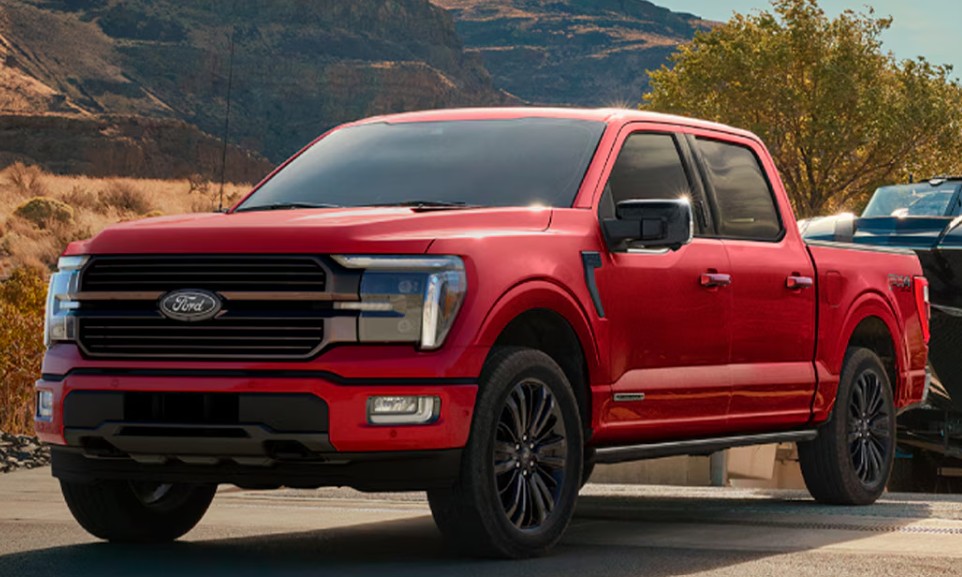
Ford F 150 Dashboard Symbols and Meanings: The Complete Driver-Friendly Guide

Contents in this publication
- Why Ford F 150 Dashboard Symbols Matter
- Understanding Ford F 150 Dashboard Light Colors
- Most Important Ford F 150 Warning Symbols
- Ford F 150 Safety System Symbols
- Ford F 150 Tire and Wheel Symbols
- Ford F 150 Lighting Symbols
- Ford F 150 Driver Assistance Symbols
- Ford F 150 4x4 and Off-Road Symbols
- Ford F 150 Towing and Hauling Symbols
- Ford F 150 Fuel and Emissions Symbols
- Ford F 150 Transmission Symbols
- Ford F 150 Door, Hood, and Cargo Symbols
- Ford F 150 Comfort and Convenience Symbols
- Ford F 150 Hybrid Dashboard Symbols
- What To Do When a Ford F 150 Dashboard Light Comes On
- Which Ford F 150 Dashboard Lights Mean Stop Immediately?
- Which Ford F 150 Dashboard Lights Can Wait Briefly?
- Common Causes of Ford F 150 Dashboard Warning Lights
- How To Prevent Ford F 150 Warning Lights
- Ford F 150 Dashboard Symbols by Urgency
- Final Thoughts on Ford F 150 Dashboard Symbols and Meanings
- FAQs About Ford F 150 Dashboard Symbols and Meanings
The Ford F-150 is not just a pickup truck. It is a rolling toolbox, a family hauler, a towing partner, a workhorse, and sometimes the one machine we trust when the road gets ugly. But even the toughest truck has a way of tapping us on the shoulder when something needs attention. That tap usually comes through a dashboard symbol.
And let’s be honest: dashboard lights can feel like a secret language. One moment we are cruising along, coffee in the cup holder, music playing, everything normal. Then a little amber icon appears, and suddenly the mood changes. Is it serious? Can we keep driving? Should we pull over? Is the truck warning us, or simply telling us a system is turned on?
That is exactly what this guide is built to answer.
In this article, we are going to break down Ford F 150 dashboard symbols and meanings in plain English. No panic, no mechanic-only jargon, no guessing games. We will explain what the most common warning lights mean, what color matters, which symbols need immediate action, and which ones are simply informational.
By the end, we will know how to read the F-150’s dashboard like a familiar map instead of a wall of mystery signs.
Why Ford F 150 Dashboard Symbols Matter
Dashboard symbols are the truck’s way of talking to us. The F-150 cannot say, “Hey, the oil pressure may be low,” or “Your tire pressure needs checking,” so it uses lights, icons, chimes, and messages.
Some symbols are harmless reminders. Others are early warnings. A few are urgent signs that we should stop driving as soon as it is safe.
The key is not memorizing every tiny icon perfectly. The real goal is understanding the logic behind them:
- Red usually means stop or act immediately
- Amber or yellow usually means caution or service soon
- Green, blue, or white usually means a feature is active
- Flashing lights are usually more urgent than steady lights
- Warning lights plus strange noises, smells, smoke, or poor performance should never be ignored
Think of the dashboard like a weather forecast. A green light is a sunny day. A yellow light is clouds forming. A red light is the storm siren.
Understanding Ford F 150 Dashboard Light Colors
Before we dive into individual symbols, we need to understand color. The color of a dashboard light often tells us how urgent the situation is.
Red Dashboard Symbols
Red lights are the ones we should take seriously right away. They often involve safety, braking, engine oil pressure, battery charging, overheating, or seat belts.
A red warning light does not always mean disaster, but it does mean we should stop guessing. If the red oil pressure light, brake warning light, or temperature warning light appears while driving, we should pull over safely and investigate.
Yellow or Amber Dashboard Symbols
Yellow or amber symbols usually mean something needs attention soon. These lights may relate to the check engine system, tire pressure, ABS, traction control, emissions, or driver assistance features.
In many cases, we can continue driving carefully. But we should not ignore the warning for days or weeks. Amber lights are like a polite knock on the door. Ignore them too long, and the knock can become a repair bill.
Green Dashboard Symbols
Green lights usually mean a system is active and working. Turn signals, cruise control, lane keeping features, and lighting indicators often appear green.
These are usually not warnings. They are status updates.
Blue Dashboard Symbols
Blue is most commonly used for high-beam headlights. If we see a blue headlight-style symbol, our high beams are on.
White or Gray Dashboard Symbols
White or gray lights often show that a system is available, selected, or standing by. For example, some driver-assist features may show one color when ready and another when active.
Most Important Ford F 150 Warning Symbols
Some dashboard symbols deserve more attention than others. Let’s start with the ones that can affect safety or engine health quickly.
Check Engine Light
The check engine light is one of the most famous dashboard symbols, and for good reason. It usually looks like a small engine outline.
What It Means
The check engine light can appear for many reasons. It may be something simple, like a loose gas cap, or something more serious, like a misfire, faulty oxygen sensor, catalytic converter issue, fuel system problem, or emissions-related fault.
What We Should Do
If the check engine light is steady, we can usually keep driving carefully, but we should scan the truck for diagnostic codes as soon as possible.
If the check engine light is flashing, that is more serious. A flashing check engine light often points to an active misfire that may damage the catalytic converter. In that case, we should reduce speed, avoid hard acceleration, and get service quickly.
Oil Pressure Warning Light
The oil pressure symbol usually looks like an old-fashioned oil can.
What It Means
This light may mean the engine is not getting proper oil pressure. That is a big deal because oil is the engine’s lifeblood. Without oil pressure, metal parts can grind against each other like sandpaper on glass.
What We Should Do
Pull over safely, turn off the engine, and check the oil level if we know how. If the oil level is low, adding the correct oil may help, but if the light stays on, we should not keep driving. Engine damage can happen fast.
Engine Coolant Temperature Warning Light
This symbol usually looks like a thermometer floating in liquid.
What It Means
The engine may be overheating. This can happen because of low coolant, a failed thermostat, radiator issues, cooling fan problems, water pump trouble, or heavy towing in hot conditions.
What We Should Do
Turn off the air conditioning, reduce load, and pull over safely. Let the engine cool before opening anything under the hood. Never remove a hot coolant cap. Hot coolant can spray out and cause serious burns.
Battery Warning Light
The battery light usually looks like a small battery with plus and minus signs.
What It Means
This does not always mean the battery itself is dead. It often means the charging system is not working correctly. The alternator, wiring, battery terminals, belt, or voltage system may be involved.
What We Should Do
If this light comes on while driving, the truck may continue running for a while, but it may eventually lose electrical power. We should turn off unnecessary accessories and head to a safe location or service center.
Brake Warning Light
The brake warning symbol may show the word “BRAKE,” an exclamation point, or a brake-related icon.
What It Means
This light may appear when the parking brake is engaged. But if the parking brake is not on, it could mean low brake fluid or a braking system problem.
What We Should Do
First, make sure the parking brake is fully released. If the light stays on, we should avoid driving aggressively and get the brake system checked. If the brake pedal feels soft, sinks, or the truck does not stop normally, we should stop driving.
Ford F 150 Safety System Symbols
Modern F-150 models come with many safety systems. These lights may look confusing at first, but most of them are trying to help.
ABS Warning Light
ABS stands for Anti-lock Braking System. The symbol usually shows “ABS.”
What It Means
The regular brakes may still work, but the anti-lock braking function may have a fault. ABS helps prevent wheel lockup during hard braking, especially on slippery roads.
What We Should Do
Drive carefully and have the system checked. If the ABS light and brake warning light appear together, the issue may be more serious.
Traction Control Light
The traction control symbol often looks like a car with squiggly skid marks behind it.
What It Means
If it flashes while driving, the system is actively helping control wheel slip. That is normal on wet, icy, muddy, or loose surfaces.
If the light stays on, traction control may be turned off or there may be a fault.
What We Should Do
If it flashes briefly, keep driving smoothly. If it stays on, check whether traction control was manually disabled. If not, service may be needed.
Stability Control Light
Stability control helps keep the truck pointed where we want it to go. On an F-150, this may be linked with traction control systems.
What It Means
A flashing light often means the system is working. A steady light may mean the system is off or malfunctioning.
What We Should Do
Slow down, especially in poor weather. If the light stays on after restarting the vehicle, it may need diagnosis.
Airbag Warning Light
The airbag symbol usually shows a seated person with a circle in front.
What It Means
There may be a problem with the airbag system or seat belt pretensioners.
What We Should Do
We should schedule service soon. Airbags are not something we want to “hope” are working. If the system has a fault, protection in a crash may be reduced.
Seat Belt Reminder Light
This symbol usually shows a seated person wearing a belt.
What It Means
Someone’s seat belt is not fastened, or an item on the passenger seat may be triggering the sensor.
What We Should Do
Buckle up. It is simple, but it matters.
Ford F 150 Tire and Wheel Symbols
The F-150 is often used for hauling, towing, off-road driving, and long highway runs. Tires matter a lot.
Tire Pressure Warning Light
The tire pressure monitoring system light usually looks like a horseshoe-shaped tire with an exclamation point.
What It Means
One or more tires may be underinflated. It can also appear after tire rotation, temperature changes, or if there is a TPMS sensor problem.
What We Should Do
Check tire pressure when the tires are cold and inflate them to the recommended pressure listed on the driver-side door placard. Do not rely only on how the tire looks. A truck tire can be low without appearing flat.
Low Tire Pressure in Cold Weather
Cold mornings can trigger tire pressure warnings because air contracts when temperatures drop.
What We Should Do
Do not ignore the light just because the weather changed. Check the pressure and adjust it properly.
TPMS Fault
If the tire pressure light flashes first and then stays on, that may mean a TPMS system fault rather than simple low pressure.
What We Should Do
Check tire pressure manually. If pressures are correct but the light remains, a sensor may need replacement or relearning.
Ford F 150 Lighting Symbols
Lighting symbols are some of the easiest to understand once we recognize the icons.
High Beam Indicator
This is usually a blue headlight symbol with straight lines.
What It Means
High beams are turned on.
What We Should Do
Use high beams when visibility is poor and there is no oncoming traffic. Switch to low beams when approaching other drivers.
Low Beam Indicator
Some models may show a green headlight icon for low beams or exterior lights.
What It Means
The headlights or exterior lamps are on.
Fog Light Indicator
Fog light symbols usually show a lamp with lines and a wavy mark.
What It Means
Front or rear fog lights are active, depending on the icon.
What We Should Do
Use fog lights only when needed. In clear weather, they can annoy other drivers.
Turn Signal Indicators
Green arrows flash left or right.
What It Means
The turn signal or hazard lights are active.
What We Should Do
If the arrow flashes faster than normal, one of the turn signal bulbs may be out.
Ford F 150 Driver Assistance Symbols
Newer F-150 trims may include advanced driver assistance systems. These lights can vary by year and equipment.
Adaptive Cruise Control Symbol
This may look like a speedometer, vehicle, or distance bars.
What It Means
Adaptive cruise control may be on, ready, or actively maintaining distance from a vehicle ahead.
What We Should Do
Remember that adaptive cruise is assistance, not autopilot. We still need to steer, brake, and pay attention.
Lane Keeping System Symbol
This icon often looks like lane markings on a road.
What It Means
The lane keeping system may be active, ready, unavailable, or detecting lane departure.
What We Should Do
If the system warns us, gently steer back into the lane. If it says unavailable, the camera may be blocked, lane markings may be poor, or weather may be interfering.
Pre-Collision Assist Warning
This system may show a vehicle, warning symbol, or message related to collision alert.
What It Means
The truck may detect a potential frontal collision or the system may be turned off or unavailable.
What We Should Do
Clean the windshield area near the camera and check the front sensors if the system is unavailable. If it keeps happening, service may be needed.
Blind Spot Information System Light
Blind spot alerts usually appear near the side mirrors rather than the main dash, but messages may appear in the cluster.
What It Means
A vehicle may be in the blind spot, or the system may be blocked.
What We Should Do
Always check mirrors and shoulders. Blind spot monitoring is helpful, but it does not replace our eyes.
Ford F 150 4x4 and Off-Road Symbols
The F-150 is famous for capability, especially in 4x4 trims. Off-road and drivetrain symbols tell us what mode the truck is using.
4x2 Indicator
This means the truck is in two-wheel drive.
What It Means
Power is going to the rear wheels in most F-150 configurations.
4x4 High Indicator
This may appear as “4H” or “4x4 HIGH.”
What It Means
Four-wheel drive high range is active. It is useful for slippery roads, snow, dirt, gravel, and moderate off-road conditions.
What We Should Do
Avoid using 4H on dry pavement unless the owner’s manual allows it for that model and system. Binding can occur on some drivetrains.
4x4 Low Indicator
This may appear as “4L” or “4x4 LOW.”
What It Means
Low-range four-wheel drive is active. This gives more torque at low speeds.
What We Should Do
Use it for serious off-road driving, steep climbs, deep mud, sand, or controlled low-speed pulling. Do not use it for normal highway driving.
Electronic Locking Differential Symbol
This may show an axle or wheels connected by a lock.
What It Means
The rear differential may be locked, helping both wheels turn together for better traction.
What We Should Do
Use it in low-traction situations. Avoid tight turns on high-traction pavement while locked.
Hill Descent Control Symbol
This may look like a truck going downhill.
What It Means
Hill descent control is active or ready. It helps control speed on steep declines.
What We Should Do
Use it off-road or on steep slippery descents. Let the system help, but stay alert.
Ford F 150 Towing and Hauling Symbols
Since many F-150 owners tow trailers, campers, boats, and work equipment, towing-related symbols are especially important.
Tow/Haul Mode Indicator
This may show “TOW HAUL” or a trailer-related icon.
What It Means
Tow/Haul mode is active. The transmission shift pattern changes to better handle heavy loads.
What We Should Do
Use it when towing or carrying heavy payloads. It can improve control, reduce gear hunting, and help with engine braking.
Trailer Brake Warning
This may appear as a trailer-related warning message.
What It Means
There may be a trailer brake system issue, connection problem, or trailer wiring fault.
What We Should Do
Stop safely and inspect the trailer connection, plug, wiring, and brake controller settings. Trailer brakes are critical when towing heavy loads.
Trailer Sway Control Indicator
Some F-150 models may warn when trailer sway control activates.
What It Means
The truck senses trailer sway and may apply braking or reduce power to help stabilize the trailer.
What We Should Do
Slow down gradually. Do not make sudden steering moves. Check trailer loading, tongue weight, tire pressure, and speed.
Ford F 150 Fuel and Emissions Symbols
Fuel and emissions lights can range from simple reminders to service warnings.
Low Fuel Light
The fuel pump icon means fuel is low.
What It Means
We are running close to empty.
What We Should Do
Refuel soon. Running very low can leave us stranded and may stress the fuel pump over time.
Fuel Door Arrow
Near the fuel gauge, many vehicles show a small arrow beside the fuel pump icon.
What It Means
The arrow points to the side of the truck where the fuel door is located.
Diesel Exhaust Fluid Warning
On diesel F-150 models, DEF-related messages may appear.
What It Means
Diesel Exhaust Fluid may be low, contaminated, or the system may have a fault.
What We Should Do
Refill with proper DEF if low. Do not ignore repeated warnings, because diesel vehicles may eventually limit starting or performance.
Water in Fuel Warning
Diesel models may show a water-in-fuel warning.
What It Means
Water may be detected in the fuel system.
What We Should Do
Address it quickly. Water in diesel fuel can damage components and cause poor running.
Ford F 150 Transmission Symbols
Transmission warnings can be serious, especially when towing or driving in extreme heat.
Transmission Temperature Warning
This symbol may look like a gear with a thermometer.
What It Means
The transmission temperature may be too high.
What We Should Do
Pull over safely, let the truck cool, and avoid heavy throttle. If towing, reduce load or speed. Continuing to drive with high transmission temperature can lead to expensive damage.
Powertrain Warning Light
This may look like a wrench.
What It Means
The truck may have detected a powertrain or throttle control issue. It could affect engine or transmission performance.
What We Should Do
Drive cautiously. If the truck enters reduced-power mode, avoid pushing it. Have it diagnosed soon.
Ford F 150 Door, Hood, and Cargo Symbols
These lights are usually straightforward, but they still matter.
Door Ajar Light
This may show a vehicle with one or more doors open.
What It Means
A door is not fully closed.
What We Should Do
Stop safely and close the door. If the light stays on, a door latch sensor may be faulty.
Hood Ajar Warning
This means the hood may not be fully latched.
What We Should Do
Do not drive at speed with a hood warning. A hood that opens while driving can block the windshield.
Tailgate Ajar Warning
Some F-150 models can warn when the tailgate is not closed.
What We Should Do
Check it before driving, especially if carrying cargo.
Ford F 150 Comfort and Convenience Symbols
Not every symbol is scary. Some are simple comfort or convenience indicators.
Washer Fluid Warning
This icon usually looks like a windshield with spray.
What It Means
Windshield washer fluid is low.
What We Should Do
Refill it. Visibility is safety, especially in winter, rain, bugs, dust, or muddy job sites.
Windshield Defrost Symbol
This icon shows air blowing toward a windshield shape.
What It Means
Front defrost is active.
Rear Window Defrost Symbol
This symbol shows a rectangle with wavy lines.
What It Means
Rear defrost is active, usually to clear fog or ice.
Auto Start-Stop Indicator
Some F-150 models have an auto start-stop symbol, often involving an “A” with a circular arrow.
What It Means
The engine may shut off at stops to save fuel, or the system may be unavailable.
What We Should Do
If unavailable, it may be due to battery charge, cabin temperature, towing mode, engine temperature, or other operating conditions.
Ford F 150 Hybrid Dashboard Symbols
Hybrid F-150 models, such as PowerBoost versions, can show additional energy-related indicators.
Ready Indicator
A hybrid truck may show a ready light or message.
What It Means
The vehicle is ready to drive, even if the gasoline engine is not running.
What We Should Do
Treat the truck as active. Hybrids can move silently.
Regenerative Braking Indicator
This may appear through power flow graphics or efficiency displays.
What It Means
The truck is recovering energy while slowing down.
Electric Driving Indicators
Some hybrid displays show when the truck is using electric power, gasoline power, or both.
What It Means
This is usually informational, not a warning.
What To Do When a Ford F 150 Dashboard Light Comes On
When a symbol appears, we do not need to panic. We need a simple process.
Step 1: Check the Color
Red means urgent. Amber means caution. Green, blue, or white usually means information or active systems.
Step 2: Notice How the Truck Feels
Ask a few quick questions:
- Is the engine running rough?
- Is there smoke or steam?
- Do the brakes feel normal?
- Is the steering heavy?
- Is the temperature gauge rising?
- Did a message appear on the screen?
- Is the light flashing or steady?
The symbol matters, but symptoms matter too.
Step 3: Find a Safe Place
If the warning is serious, pull over safely. Do not stop in a dangerous lane just to inspect a light.
Step 4: Read the Message Center
Many F-150 models display a message along with the symbol. That message can narrow down the problem.
Step 5: Scan for Codes
For check engine and powertrain warnings, an OBD-II scanner can reveal diagnostic trouble codes. The code does not always tell the whole story, but it gives us a starting point.
Step 6: Do Not Ignore Repeated Warnings
A light that disappears and returns is still worth checking. Intermittent problems often become permanent problems.
Which Ford F 150 Dashboard Lights Mean Stop Immediately?
Some lights deserve immediate action. We should pull over safely and stop driving if we see:
- Red oil pressure warning
- Engine overheating warning
- Brake warning with poor braking feel
- Battery warning with electrical problems
- Flashing check engine light with rough running
- Steering warning with loss of assist
- Smoke, burning smell, or steam with any warning light
The truck is tough, but toughness is not magic. Driving through a serious warning is like running on a sprained ankle. We might make it a little farther, but the damage can get worse.
Which Ford F 150 Dashboard Lights Can Wait Briefly?
Some lights usually allow careful driving for a short time:
- Steady check engine light
- Tire pressure warning
- ABS warning by itself
- Traction control disabled
- Washer fluid low
- Service reminder
- Lamp outage warning
- Driver assist unavailable message
Even then, “can wait” does not mean “forget about it.” It means we can plan the next step instead of calling a tow truck immediately.
Common Causes of Ford F 150 Dashboard Warning Lights
Dashboard warnings are symptoms. The real cause can vary. Common causes include:
- Weak battery
- Loose fuel cap
- Low tire pressure
- Faulty wheel speed sensor
- Bad ABS sensor
- Low brake fluid
- Dirty windshield camera area
- Trailer wiring issue
- Low engine oil
- Low coolant
- Failing alternator
- Misfire
- Faulty oxygen sensor
- Transmission overheating while towing
- Software or sensor calibration issue
Modern trucks are packed with electronics. Sometimes a simple weak battery can trigger multiple strange warnings at once.
How To Prevent Ford F 150 Warning Lights
We cannot prevent every dashboard light, but we can reduce surprises.
Follow Maintenance Intervals
Oil changes, filters, fluids, spark plugs, coolant, brake inspections, and transmission service all matter.
Check Tire Pressure Monthly
Tires affect safety, fuel economy, towing stability, and ride quality.
Keep Sensors Clean
Cameras and radar sensors need clear views. Mud, ice, snow, bugs, and road grime can disable driver assistance features.
Inspect Trailer Connections
Before towing, check the plug, brake controller, lights, chains, hitch, and trailer tires.
Pay Attention to Small Changes
A new vibration, smell, noise, or hesitation can appear before a warning light.
Ford F 150 Dashboard Symbols by Urgency
Here is a quick practical guide.
Urgent: Stop Safely
- Oil pressure warning
- Engine temperature warning
- Brake system warning with braking issue
- Flashing check engine light
- Battery/charging warning with power loss
- Steering system warning with hard steering
Service Soon
- Steady check engine light
- ABS warning
- Airbag warning
- Powertrain wrench light
- TPMS fault
- Traction control fault
- Trailer brake warning
Check When Convenient
- Low washer fluid
- Low fuel
- Door ajar
- Hood ajar
- Tailgate ajar
- Bulb warning
- Driver assistance unavailable
Normal Information
- High beams on
- Turn signal active
- Cruise control active
- Tow/Haul mode active
- 4x4 mode selected
- Fog lights on
- Defrost active
Final Thoughts on Ford F 150 Dashboard Symbols and Meanings
The Ford F-150 dashboard is not trying to scare us. It is trying to keep us informed. Some symbols are friendly reminders. Some are caution signs. Others are the truck’s way of saying, “Stop now before this gets expensive.”
The best approach is simple: respect red lights, investigate amber lights, understand green and blue indicators, and never ignore a warning that comes with strange symptoms.
Once we know the common Ford F 150 dashboard symbols and meanings, the truck feels less mysterious and more like a partner. It speaks in icons, and now we know how to listen.
FAQs About Ford F 150 Dashboard Symbols and Meanings
What does the check engine light mean on a Ford F-150?
The check engine light means the truck has detected a problem in the engine, emissions, or powertrain control system. A steady light usually means service is needed soon. A flashing light is more urgent and may indicate a misfire.
Can I drive my Ford F-150 with the wrench light on?
Sometimes, but cautiously. The wrench light often points to a powertrain or throttle control issue. If the truck drives normally, head for diagnosis soon. If it loses power or shifts badly, stop driving and get help.
What does the tire pressure symbol mean on an F-150?
It means one or more tires may be underinflated, or there may be a TPMS sensor issue. Check tire pressures when cold and inflate them to the recommended level on the door placard.
Why is my Ford F-150 traction control light flashing?
A flashing traction control light usually means the system is actively reducing wheel slip. This can happen on wet, icy, muddy, sandy, or loose roads. If the light stays on, the system may be off or faulty.
Which Ford F-150 dashboard lights are most serious?
The most serious lights include oil pressure, engine temperature, brake system, flashing check engine, battery charging, and steering warnings. These can affect safety or cause major mechanical damage if ignored.
If you want to see other articles similar to Ford F 150 Dashboard Symbols and Meanings: The Complete Driver-Friendly Guide you can visit the Tips category.
Toyota Camry Distance to Empty Reset: Complete Guide
Toyota Camry Eco Mode Turn Off: Complete Driver’s Guide
Toyota Camry Anti Theft System Reset: Complete Guide
Toyota Camry Cabin Air Filter Replacement: A Fresh-Air Guide for Everyday Drivers
Toyota Camry Key Fob Battery Replacement: The Simple DIY Guide Every Driver Should Know
Toyota Camry Dashboard Symbols and Meanings: The Complete Driver-Friendly Guide
Leave a Reply
Related Topics