
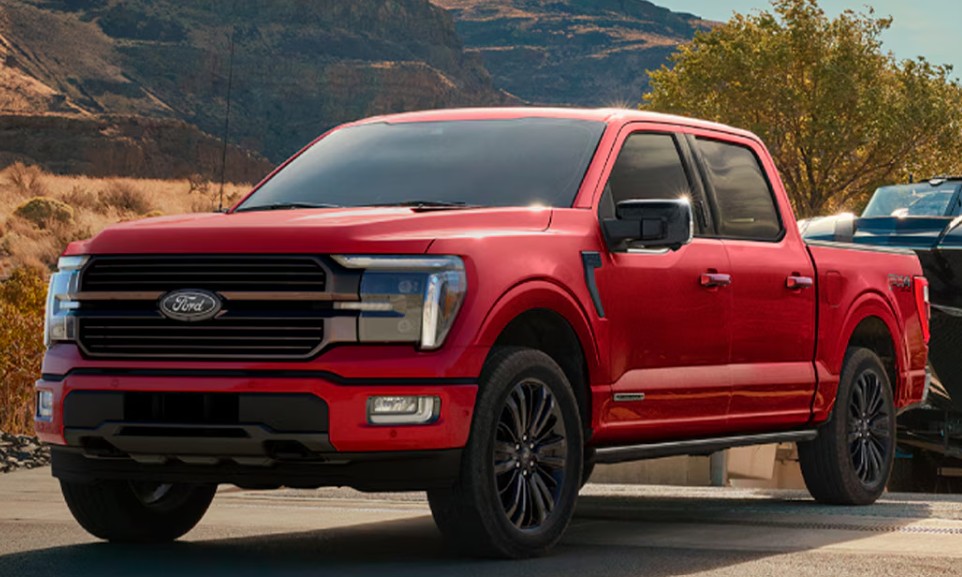
Ford F-150 Not Starting: Complete Troubleshooting Guide

Contents in this publication
- Why Is My Ford F-150 Not Starting?
- Understanding the Different No-Start Symptoms
- Dead Battery: The Most Common Cause
- Corroded Battery Connections
- Starter Motor Problems
- Alternator Problems
- Fuel System Problems
- Ignition System Problems
- Crankshaft Position Sensor Failure
- Camshaft Position Sensor Issues
- Ford F-150 Anti-Theft System Problems
- Push-Button Start Problems
- Ignition Switch Problems
- Blown Fuses and Relays
- Cold Weather Starting Problems
- Poor Ground Connections
- Engine Control Module Problems
- How to Diagnose a Ford F-150 That Won't Start
- Preventing Future Starting Problems
- When Should You See a Mechanic?
- Final Thoughts
- Frequently Asked Questions
A Ford F-150 that refuses to start can quickly turn a productive day into a frustrating one. Whether you're heading to work, towing equipment, or preparing for a road trip, few vehicle problems are as inconvenient as turning the key or pressing the start button and getting no response.
The good news is that most Ford F-150 starting problems can be traced to a handful of common causes. In many cases, the issue is something relatively simple, such as a weak battery or a loose connection. In other situations, the culprit may be a failing starter, fuel system problem, or electronic malfunction.
This guide explains the most common reasons a Ford F-150 won't start, how to diagnose the issue, and the steps we can take to get the truck running again.
Why Is My Ford F-150 Not Starting?
Every engine needs three basic elements to start successfully:
- Electrical power
- Fuel delivery
- Proper ignition
If any of these systems fail, the engine may not start.
The first step is identifying the exact symptom. A truck that doesn't crank at all requires a different diagnosis than one that cranks but won't fire up.
Understanding the Different No-Start Symptoms
Before replacing parts, it's important to determine what the truck is actually doing when we attempt to start it.
No Crank, No Start
If nothing happens when the key is turned or the start button is pressed, the problem is usually electrical.
Common causes include:
- Dead battery
- Bad starter motor
- Faulty ignition switch
- Corroded battery terminals
- Blown fuse or relay
Crank But No Start
When the engine turns over normally but never starts running, the issue typically involves fuel delivery, spark, or engine management.
Potential causes include:
- Fuel pump failure
- Bad spark plugs
- Faulty ignition coils
- Crankshaft position sensor failure
- Fuel injector problems
Clicking Noise When Starting
A single click often indicates that the starter is attempting to engage but lacks sufficient power.
Rapid clicking usually points to a weak or discharged battery.
Dead Battery: The Most Common Cause
Battery-related issues remain the number one reason a Ford F-150 won't start.
Modern trucks rely heavily on electronics, and even a slightly weakened battery can create starting problems.
Signs of a Weak Battery
Watch for symptoms such as:
- Dim headlights
- Slow engine cranking
- Flickering dashboard lights
- Clicking noises
- Electrical accessories working poorly
How Long Does a Ford F-150 Battery Last?
Most batteries last between three and five years depending on:
- Climate
- Driving habits
- Maintenance
- Electrical loads
Extreme temperatures can shorten battery life significantly.
Testing Battery Voltage
A healthy battery should show approximately:
- 12.6 volts when fully charged
- 12.4 volts in acceptable condition
- Below 12 volts may indicate trouble
If voltage is low, charging or replacing the battery may solve the problem immediately.
Corroded Battery Connections
Sometimes the battery itself is perfectly healthy, but corrosion prevents electricity from reaching critical components.
Battery corrosion acts like a roadblock that restricts power flow.
Symptoms of Corroded Terminals
Look for:
- White powder around terminals
- Green buildup
- Loose cable connections
- Intermittent starting problems
Cleaning Battery Terminals
Cleaning the terminals can often restore normal operation.
Basic steps include:
- Disconnect the negative cable.
- Disconnect the positive cable.
- Remove corrosion.
- Clean the terminals thoroughly.
- Reconnect the positive terminal.
- Reconnect the negative terminal.
Starter Motor Problems
The starter motor is responsible for turning the engine during startup.
Without a functioning starter, the engine cannot crank.
Signs of a Bad Starter
Common warning signs include:
- Single clicking sound
- Grinding noises
- Intermittent starting
- Engine refusing to turn over
Starter problems often become more frequent before complete failure occurs.
Starter Solenoid Failure
The starter solenoid acts like a switch that directs battery power to the starter motor.
When it fails, the starter may not engage at all.
Common symptoms include:
- Clicking without cranking
- Intermittent operation
- Complete no-start condition
Alternator Problems
Many drivers assume the alternator only matters while the truck is running.
In reality, a failing alternator can prevent the battery from charging properly, eventually leading to a no-start situation.
Symptoms of a Failing Alternator
Watch for:
- Battery warning light
- Flickering lights
- Weak electrical performance
- Frequent jump starts
A bad alternator often creates battery problems that repeatedly return.
Fuel System Problems
If the engine cranks normally but refuses to start, fuel delivery becomes a primary suspect.
Fuel Pump Failure
The fuel pump sends gasoline from the tank to the engine.
Without fuel pressure, combustion cannot occur.
Common symptoms include:
- Long cranking times
- Loss of power
- Engine sputtering
- Complete no-start condition
Many fuel pumps provide a brief humming sound when the ignition is turned on.
If no sound is present, further testing may be needed.
Clogged Fuel Filter
A clogged fuel filter can restrict fuel flow and create starting difficulties.
Symptoms may include:
- Hard starting
- Poor acceleration
- Rough idle
- Stalling
Fuel Injector Issues
Fuel injectors precisely meter fuel into the combustion chamber.
When injectors become clogged or fail, starting problems may occur alongside poor performance and reduced fuel economy.
Ignition System Problems
Even with proper fuel delivery, the engine still needs spark to start.
Worn Spark Plugs
Spark plugs ignite the air-fuel mixture.
Over time they wear out and become less effective.
Common symptoms include:
- Misfires
- Rough idle
- Hard starting
- Poor fuel economy
Faulty Ignition Coils
Ignition coils generate the high voltage needed for spark plugs.
When coils fail, the engine may crank but never start.
Additional symptoms may include:
- Misfires
- Power loss
- Rough running
Crankshaft Position Sensor Failure
The crankshaft position sensor is one of the most critical sensors in the engine.
Without accurate crankshaft data, the engine control module cannot properly manage fuel injection or ignition timing.
Symptoms of a Bad Crankshaft Sensor
Look for:
- Engine stalling
- No-start condition
- Check engine light
- Intermittent operation
Sensor failures can sometimes appear random before becoming permanent.
Camshaft Position Sensor Issues
The camshaft sensor works closely with the crankshaft sensor.
If it fails, the engine may struggle to start or refuse to start entirely.
Common symptoms include:
- Extended cranking
- Poor performance
- Rough idle
- Check engine light
Ford F-150 Anti-Theft System Problems
Modern Ford trucks feature advanced anti-theft systems designed to prevent unauthorized use.
Unfortunately, these systems occasionally malfunction.
Signs of Anti-Theft System Issues
Common indicators include:
- Flashing security light
- Engine starts and immediately stalls
- Key not recognized
Key Fob Battery Problems
Push-button start models rely on communication between the key fob and the truck.
A weak key fob battery can prevent the vehicle from recognizing the key.
Replacing the battery is often a quick and inexpensive fix.
Many newer F-150 models use a push-button ignition system.
While convenient, these systems introduce additional electronic components that can fail.
Potential causes include:
- Dead key fob battery
- Faulty brake switch
- Electronic module failures
- Wiring problems
Brake Pedal Switch Failure
Most push-button start systems require the brake pedal to be pressed.
If the brake switch fails, the truck may not start even when everything else is functioning normally.
Ignition Switch Problems
Older Ford F-150 models equipped with traditional keys can experience ignition switch failures.
Symptoms of a Faulty Ignition Switch
Watch for:
- No response when turning the key
- Intermittent starting
- Loss of electrical power
- Accessory malfunctions
Because symptoms overlap with other problems, diagnosis may require additional testing.
Blown Fuses and Relays
Sometimes a tiny electrical component can cause a major problem.
A blown fuse or failed relay can disable the starter, fuel pump, or ignition system.
Important Components to Check
Inspect:
- Starter relay
- Fuel pump relay
- Ignition fuse
- Power distribution box
Replacing a failed relay is often inexpensive and straightforward.
Cold Weather Starting Problems
Cold temperatures place extra strain on batteries and starting systems.
Why Winter Causes Starting Issues
Cold weather can:
- Reduce battery capacity
- Thicken engine oil
- Increase cranking resistance
The combination makes starting more difficult.
Winter Starting Tips
To improve reliability:
- Test the battery before winter
- Use manufacturer-recommended oil
- Keep battery terminals clean
- Consider a battery maintainer
Poor Ground Connections
Ground connections complete the electrical circuit throughout the vehicle.
When grounds become loose or corroded, electrical performance suffers.
Symptoms of Ground Problems
Common signs include:
- Intermittent starting
- Random electrical issues
- Weak starter operation
- Flickering lights
Ground problems often imitate more serious component failures.
Engine Control Module Problems
The Engine Control Module (ECM) acts as the truck's central computer.
Although uncommon, ECM failures can prevent startup.
Signs of ECM Issues
Potential symptoms include:
- Multiple warning lights
- Communication errors
- Persistent no-start conditions
- Unusual sensor readings
Because ECM replacement can be expensive, thorough diagnosis is essential.
How to Diagnose a Ford F-150 That Won't Start
A systematic approach can save time and money.
Step 1: Check Battery Voltage
Verify battery health before testing anything else.
Step 2: Inspect Battery Connections
Ensure cables are tight and corrosion-free.
Step 3: Listen for Fuel Pump Operation
Turn the key to the ON position and listen for a brief humming sound.
Step 4: Scan for Trouble Codes
An OBD-II scanner can reveal valuable diagnostic information.
Step 5: Test the Starter
Confirm the starter receives proper voltage.
Step 6: Verify Fuel Pressure
Check fuel pressure specifications.
Step 7: Inspect Ignition Components
Evaluate spark plugs, coils, and related wiring.
Preventing Future Starting Problems
Preventive maintenance dramatically reduces the likelihood of unexpected breakdowns.
Recommended Maintenance Tasks
Perform these regularly:
- Battery testing
- Terminal cleaning
- Charging system inspection
- Spark plug replacement
- Fuel system checks
A little maintenance today can prevent a major headache tomorrow.
When Should You See a Mechanic?
Some problems require professional diagnostic equipment.
Consider expert assistance if:
- The truck repeatedly won't start
- Warning lights remain illuminated
- Electrical issues affect multiple systems
- Diagnostic codes continue returning
Professional testing often identifies hidden problems more quickly than guesswork.
Final Thoughts
A Ford F-150 not starting doesn't automatically mean an expensive repair is around the corner. In many cases, the issue stems from a weak battery, corroded terminals, starter problems, fuel delivery issues, or ignition system faults. By understanding the symptoms and following a logical troubleshooting process, we can narrow down the cause and avoid replacing unnecessary parts.
Think of the starting system as a chain. Every link must work together for the truck to come to life. When one link fails, the entire process stops. Fortunately, with proper diagnosis and routine maintenance, most Ford F-150 starting problems can be resolved quickly and effectively.
Frequently Asked Questions
Why does my Ford F-150 click but not start?
A clicking sound is commonly caused by a weak battery, poor battery connections, or a failing starter motor.
Why does my Ford F-150 crank but not start?
This usually indicates a fuel delivery issue, ignition problem, sensor failure, or lack of spark.
Can a bad key fob prevent my Ford F-150 from starting?
Yes. On push-button start models, a weak key fob battery can prevent the truck from recognizing the key.
How do I know if my starter is bad?
Common signs include clicking sounds, intermittent starting, grinding noises, and failure to crank despite having a healthy battery.
What is the most common reason a Ford F-150 won't start?
The most common cause is a weak or dead battery, followed by starter motor issues and corroded battery connections.
If you want to see other articles similar to Ford F-150 Not Starting: Complete Troubleshooting Guide you can visit the Problems category.
Toyota Camry Pre Collision System Malfunction: Causes, Fixes, and Safety Tips
Toyota Camry Key Won’t Turn: Causes, Fixes, and Prevention
Toyota Camry Keys Locked in Trunk: Safe Ways to Get Them Back
Toyota Camry Keys Locked in Car: What to Do Next
Toyota Camry Won’t Start But Has Power: Causes, Fixes, and Smart Troubleshooting
Toyota Camry Issues: Common Problems, Warning Signs, and What We Should Know Before Buying
Leave a Reply
Related Topics